Key Takeaways
Construction site monitoring works best when it is planned around clear project needs and followed through into day-to-day decisions. The right mix of checks, visual records and technology depends on the site and its risks.
- Monitoring gathers evidence about site conditions, activity and progress; reporting turns that evidence into a project update.
- Choose methods according to the risks, coverage needs and decisions they must support.
- Manual checks and digital tools can complement each other rather than compete.
- Agree on responsibilities, baselines and escalation steps before collecting data.
- Review monitoring information regularly and adjust the approach as the work changes.
What construction site monitoring involves
Construction site monitoring is the planned collection of information about what is happening on a project. It can combine observations made on site with visual records, measurements and digital data. The aim is not to collect everything, but to make important conditions visible to the people responsible for acting on them.
The difference between site monitoring and progress reporting
Monitoring is the ongoing process of observing conditions and gathering evidence, while progress reporting is one way that evidence is communicated. A site inspection may identify a change, for example, while a report records what it means for a milestone or a decision. Keeping the distinction clear helps teams avoid treating a regularly issued report as proof that the underlying monitoring is thorough. Reliable reporting starts with evidence gathered consistently and interpreted against an agreed plan.
What can be monitored across a project
The scope depends on the project’s objectives and exposure to risk. Teams may monitor work progress, safety conditions, quality, site access, assets or environmental conditions, using different methods for each. A practical construction site monitoring guide can help teams think through responsibilities, records and the role of technology without assuming every site needs the same setup.
The useful question is what information will lead to a decision. A record that cannot be compared with a baseline or linked to an action may add little value, even if it is detailed.
Who uses monitoring data and why
Project managers may use monitoring information to investigate delays or coordinate work, while supervisors need timely observations that help them manage site activity. Developers, clients and government stakeholders may need visual records or clear updates to understand project progress. The level of detail should suit the person making the decision: a site team may need a specific observation, while a client may need a concise explanation of the change and its effect.
Why monitoring matters on construction projects
Construction work changes quickly, and a condition that seems minor in isolation can have wider consequences if it goes unnoticed. Regular monitoring gives teams a basis for identifying changes, checking assumptions and raising concerns while there is still time to respond. It supports good management, but does not replace competent supervision or established safety and quality processes.
Spotting safety risks before incidents occur
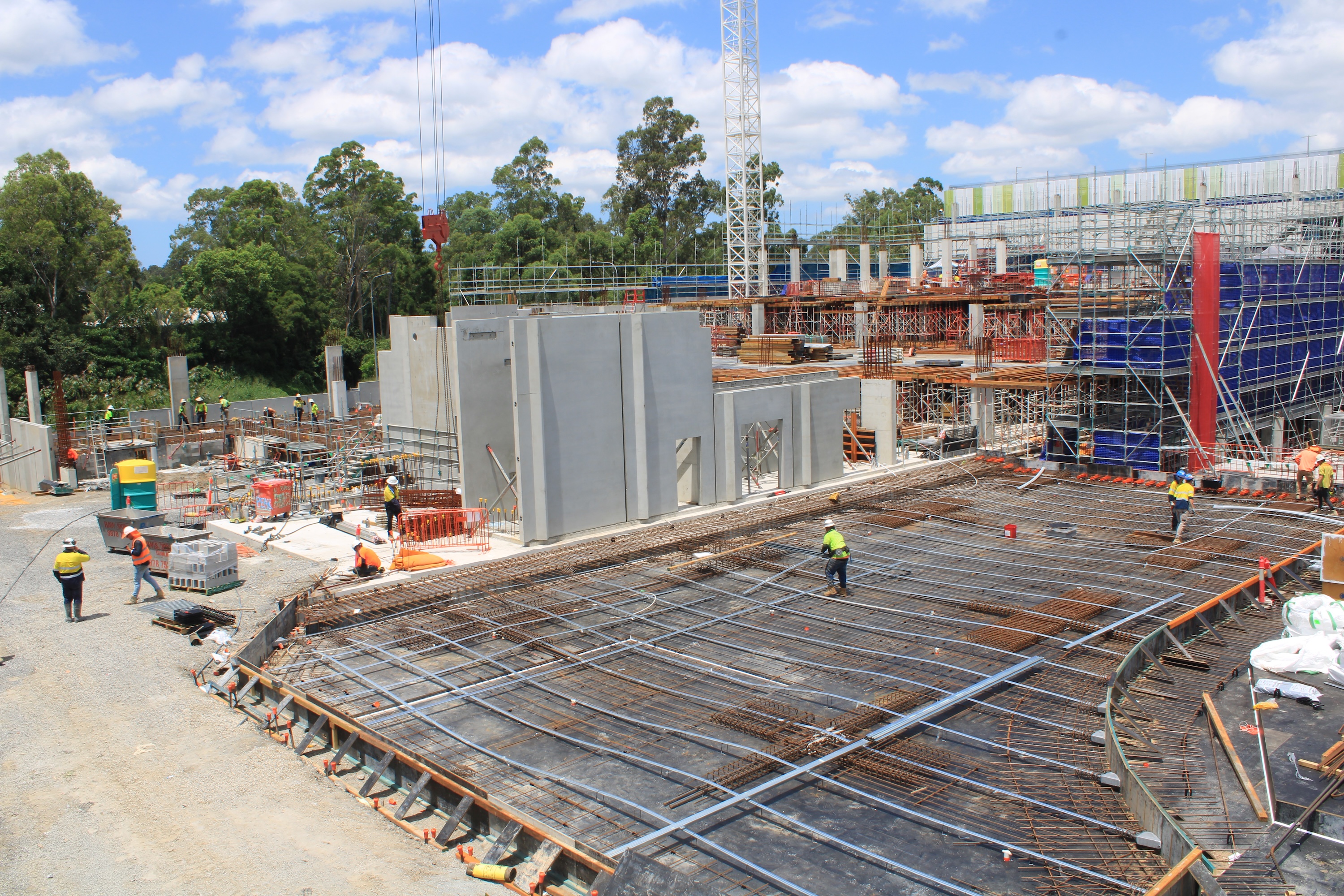
Routine checks can bring hazards into view before they contribute to an incident. The value comes from linking an observation to a clear response: who needs to be told, what action is required and whether the issue has been resolved. Visual records can help teams review site conditions and discuss what happened, but they do not detect every hazard or substitute for worker training and supervision. A construction safety monitoring guide can provide a further perspective on how visual records may support safety reviews and audits.
Tracking progress against programme and budget
Progress monitoring helps teams compare observed work with planned milestones and investigate differences. Visual evidence is useful for showing change over time, but it should be read alongside programme information and other project records rather than mistaken for measured completion. The following distinction can help teams decide what each source is good for:
| Information source | What it can show | What to check alongside it |
|---|---|---|
| Site inspection | Observed work and conditions | Inspection scope and date |
| Visual record | Visible change across capture dates | Viewpoint and capture consistency |
| Programme update | Planned and reported milestone status | Basis for reported completion |
| Cost record | Recorded expenditure or commitments | Approved budget and variations |
Taken together, these sources help teams ask better questions about a variance instead of drawing conclusions from a single snapshot. A construction progress monitoring guide offers more detail on measurable criteria, site evidence and reporting workflows.
Protecting quality, assets and nearby environments
Monitoring can support quality reviews by recording visible conditions and noting when work needs inspection or follow-up. It can also help project teams keep track of assets and consider effects beyond the site boundary, where those issues are part of the project plan. Environmental observations need a relevant baseline and suitable measurement method; a photograph alone cannot establish every condition. For a different setting, MoldWarden discusses coastal humidity and hidden mould in homes, illustrating why environmental readings need to be interpreted in their local context.
Methods and technologies for monitoring a site
No single method provides a complete view of a project. Manual checks can capture detail and context, while cameras and sensors can provide repeatable records or measurements in particular areas. A sound approach combines methods only where they answer a defined monitoring question.
Site inspections, checklists and manual measurements
Inspections remain useful because a trained person can observe context, ask questions and record conditions that a fixed device may miss. Checklists make routine checks easier to repeat, while manual measurements can provide direct evidence where accuracy and method are specified. Teams should record when a check took place, who completed it and what follow-up is needed, so findings can be reviewed rather than left as informal notes.
Cameras, drones and time-lapse photography
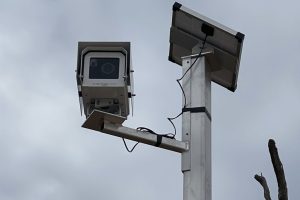
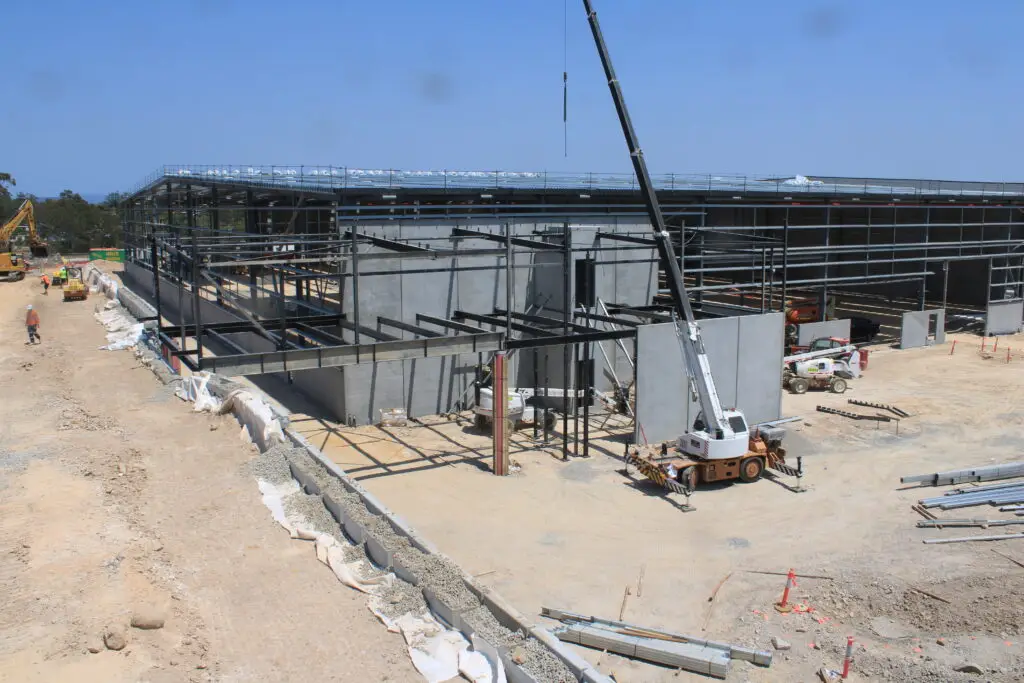
Cameras and photography create visual records of selected views; drones can provide an aerial perspective where the project and operating conditions allow. These images can help stakeholders understand visible change, but they should not be treated as a substitute for measured progress or site supervision. Construction Time Lapse Specialists provides construction time-lapse cameras, drone imaging and high-resolution photography for visual monitoring. Its visual monitoring services also illustrate why consistent viewpoints and capture schedules matter when comparing images over time.
Sensors, wearables and connected equipment
Sensors can be selected to measure a defined condition, while connected equipment may provide information relevant to its operation or location. Before relying on a device, teams should confirm what it measures, how often it reports and how the data will be checked. Equipment selection also involves ordinary site infrastructure: where lighting components are part of a project specification, a constant-current LED driver is an example of a product whose stated electrical ratings should be checked against its intended use. That is a specification consideration, not a monitoring function.
AI and software for analysing site data
Software can help teams organise records, compare information and bring attention to items that may need review. Any automated analysis should be treated as a prompt for investigation, not as an unquestionable finding; the quality of the result depends on the input data and the way the process is configured. An overview of AI-powered site monitoring discusses one approach to using software with site cameras, but project teams should assess any tool against their own requirements and evidence standards.
How to choose a monitoring approach
A suitable monitoring approach is shaped by the project’s risks, layout, duration and decision-making needs. Teams should start with the information they need, then compare methods for producing it. The best fit is often a modest set of well-defined methods rather than a large collection of devices without clear ownership.
Match monitoring methods to project risks
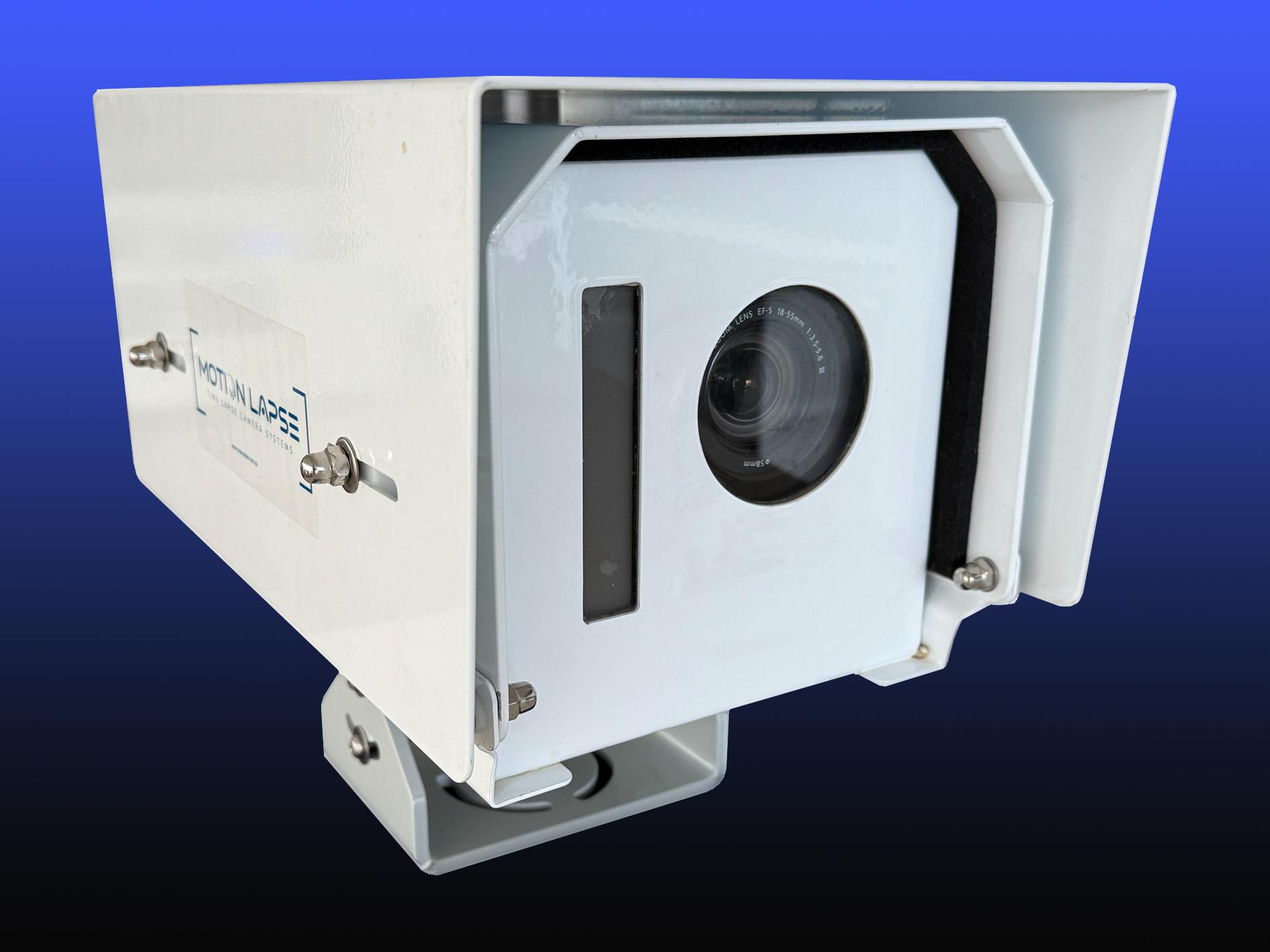
Start by identifying the issues that could affect safety, schedule, cost, quality or the surrounding area. For each one, ask what evidence would help the team notice a change and what response should follow. Construction Time Lapse Specialists offers 4K time-lapse cameras for visual site records; that capability is relevant when stakeholders need to view visible project progress, not when a separate measurement is required. A construction camera hire guide can help teams consider coverage, installation, connectivity and access before choosing a camera setup.
Compare accuracy, coverage and update frequency
Different methods produce different kinds of evidence, so comparisons should focus on the intended decision. A wide visual view may show broad site changes, while a measurement method may be needed to verify a specific condition. Capture frequency matters too: information gathered too rarely can miss meaningful change, while excessive collection can create records that nobody has time to review. Agree on what level of precision and coverage is actually needed before comparing equipment.
Consider connectivity, privacy and data security
A monitoring plan should account for connectivity across the site, who can access records and how information is stored and shared. Where a system relies on a network connection, test the parts of the site where the signal may be unreliable and plan how gaps will be handled. Privacy expectations should be communicated to workers and visitors, and access should be limited to appropriate users. For digital services more broadly, CSP Monitor describes the use of browser violation reports to maintain a content security policy; it is a separate web-security topic, not a construction-site monitoring tool.
Check compatibility with existing project systems
Monitoring is easier to sustain when records can be used within existing project workflows. Confirm file formats, access permissions, naming conventions and who is responsible for transferring or reviewing information. A monitoring plan should complement project controls rather than create a parallel record that becomes difficult to maintain. Local marketing is a separate concern, but local SEO for landscapers shows how a contractor’s public-facing web presence can sit alongside—not replace—operational project systems.
How to implement construction site monitoring
Implementation starts with a clear purpose and a practical routine. A tool is only useful when people know what it is intended to capture, who will review the information and what action may follow. Begin with a defined part of the project, learn from the process and make changes before expanding it.
Set objectives, responsibilities and baseline measures
Write down the question each monitoring activity is meant to answer and establish a baseline against which changes can be assessed. Assign responsibility for collecting, checking, sharing and acting on information; these duties may belong to different people. Preparing the site can affect whether monitoring is workable, so consider access and ground conditions alongside construction site preparation, including clearing, grading and access planning.
A short set of agreed objectives can keep the work focused:
- Define the condition or activity to be monitored.
- Record the baseline, method and collection frequency.
- Name the person responsible for reviewing each record.
- Set out who must be notified when a threshold is reached.
These decisions turn an intention to monitor into a repeatable process. They also make it easier to see when the scope needs to change.
Plan equipment placement and data collection
Place equipment where it can capture the intended view or condition without obstructing work or creating avoidable privacy concerns. Consider power, connectivity, exposure to weather and safe access for maintenance before installation. Construction Time Lapse Specialists installs construction time-lapse camera systems and provides secure remote portal access for viewing site progress; a project should still establish its own capture requirements, access roles and review routine.
Train workers and communicate monitoring practices
Explain what is being monitored, why it is being done and who can access the resulting information. Clear communication helps workers understand what a device can and cannot capture and where questions should be raised. Include the practical details in inductions or site briefings where appropriate, and make sure supervisors understand the process for reporting concerns or requesting a review.
Test the process before scaling it across the site
A pilot can reveal whether equipment captures usable information and whether the agreed review routine fits the pace of work. Check that records are accessible to the right people, that timestamps and locations are clear, and that alerts or follow-up tasks reach their intended owners. Once the process works in practice, expand it carefully and carry forward what the trial taught the team.
Turning monitoring data into project decisions
Collecting information is only one part of monitoring; teams also need a reliable way to interpret it and act. Review routines should be proportionate to the risks and aligned with project meetings or operational checks. When monitoring is connected to decisions, it is easier to distinguish useful evidence from noise.
Establish thresholds and escalation pathways
For each monitored condition, define what counts as a meaningful change and who needs to know about it. Thresholds may be numerical, observational or tied to a milestone, depending on the information being gathered. Set an escalation route before an issue arises so that staff know who is responsible for checking it and what to do if the first contact is unavailable.
Review trends and investigate anomalies
A single reading or image can be misleading if taken out of context. Compare records across time, check whether the collection method changed and investigate unusual results before treating them as confirmed problems. Where visual monitoring is used, drone progress monitoring covers the value of consistent capture and validation when interpreting visible changes from above.
Share clear, timely reports with stakeholders
Reports should explain what changed, what evidence supports the observation and whether an action is required. Tailor the level of detail to the audience, while preserving enough context for later review. Construction Time Lapse Specialists’ secure remote portal access allows stakeholders to view site progress; visual material can support communication, while project teams remain responsible for explaining its significance and reporting other relevant measures. If you need a tailored visual setup, view camera solutions for construction projects.
Refine the approach as site conditions change
Site layouts, work stages and project risks shift over time, so the monitoring plan should be reviewed rather than left untouched after installation. Check whether the original viewpoints remain useful, whether collection frequency still suits the work and whether responsibilities are clear. Keep a record of changes to the method, making it easier for stakeholders to interpret the evidence consistently across the project.
Get Project Visual Coverage
For a project that needs visual records of progress, contact Construction Time Lapse Specialists to discuss time-lapse cameras, drone imaging and photography suited to the work.
Conclusion
Construction site monitoring is most useful when its purpose, method and follow-up are clear. Combining appropriate checks with well-managed visual or sensor data can give project teams better evidence for decisions, provided they review the information, communicate it clearly and adapt the approach as the site changes.