Key Takeaways
A useful construction time lapse starts with a clear purpose and a camera plan that suits the site. Agree on access, capture, support and delivery before work begins.
- Decide who needs the footage and what it should help them understand.
- Choose camera positions and capture intervals around project stages and site activity.
- Confirm power, connectivity, storage and maintenance arrangements before installation.
- Compare image quality, support and final deliverables, not just the initial setup.
- Review footage during the build so changes can be addressed before important views are lost.
What construction time lapse can do for a project
A time lapse can turn a long sequence of site activity into a visual record that is easier to review and share. Its value depends on what the project team needs: stakeholder updates, milestone content, or a record that supports reporting. Brisbane projects vary in scale and conditions, so the camera plan should reflect the work rather than follow a generic template. It also helps to agree early on who can view the images and how they will be used.
Track progress for clients and stakeholders
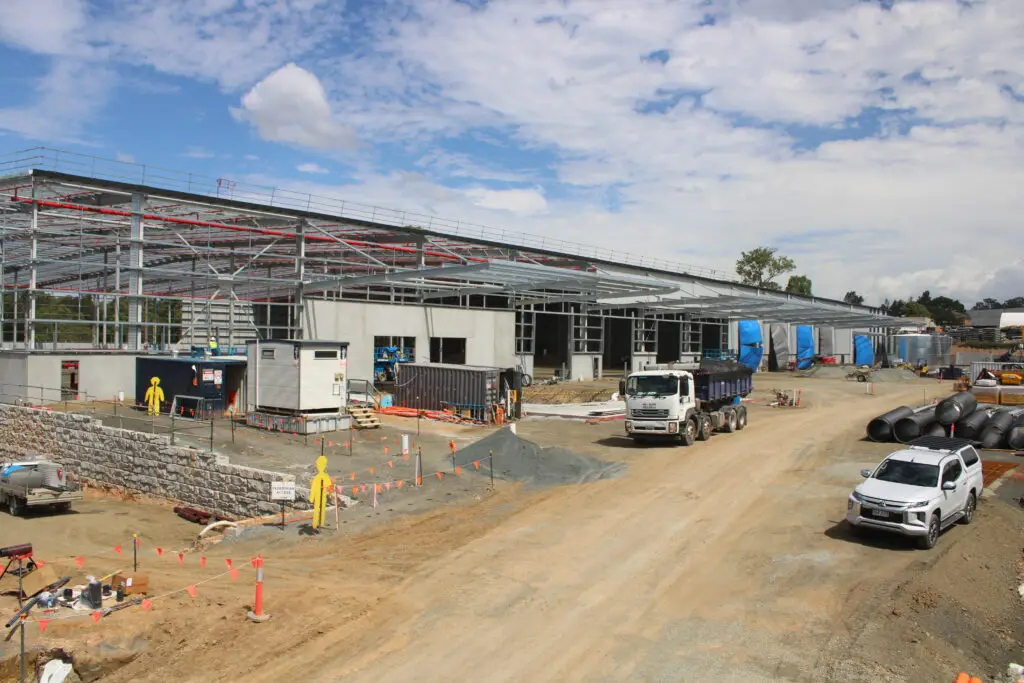
Regular images give clients and stakeholders a consistent view of visible progress, even when they cannot visit the site. A remote portal can make it easier to follow changes over time and review project highlights, while a planned camera position helps keep those views comparable. For broader planning ideas, see this construction time lapse guide, which considers goals, placement and capture schedules. The images complement site meetings and formal updates; they do not replace them.
Create marketing content for project milestones
A carefully framed sequence can help explain the scale and progression of a build to an audience beyond the site team. For a campaign, decide which stages matter and whether the intended output is a milestone update or a story of the project from start to finish. The business also provides drone aerial photography in Brisbane and the Gold Coast, which may suit projects that need aerial views. Keep that choice tied to the project’s brief and access requirements.
Support site records and project reporting
A continuous visual record can give project teams another reference when preparing progress reports or reviewing how site conditions changed. It is most useful when capture remains consistent and the team knows how to access the images. A clear record depends on continuity: gaps in capture, shifting views or unclear dates can make comparisons harder. Treat footage as one source of project documentation, alongside the records required by the project.
How to plan a time lapse project
Good planning begins before a camera is mounted. The team needs to define the purpose of the images, select the views that will remain useful as work changes, and coordinate the system with site operations. This avoids treating installation as a standalone task. It also gives the provider a practical brief for recommending coverage and delivery.
Define the project goals and intended audience
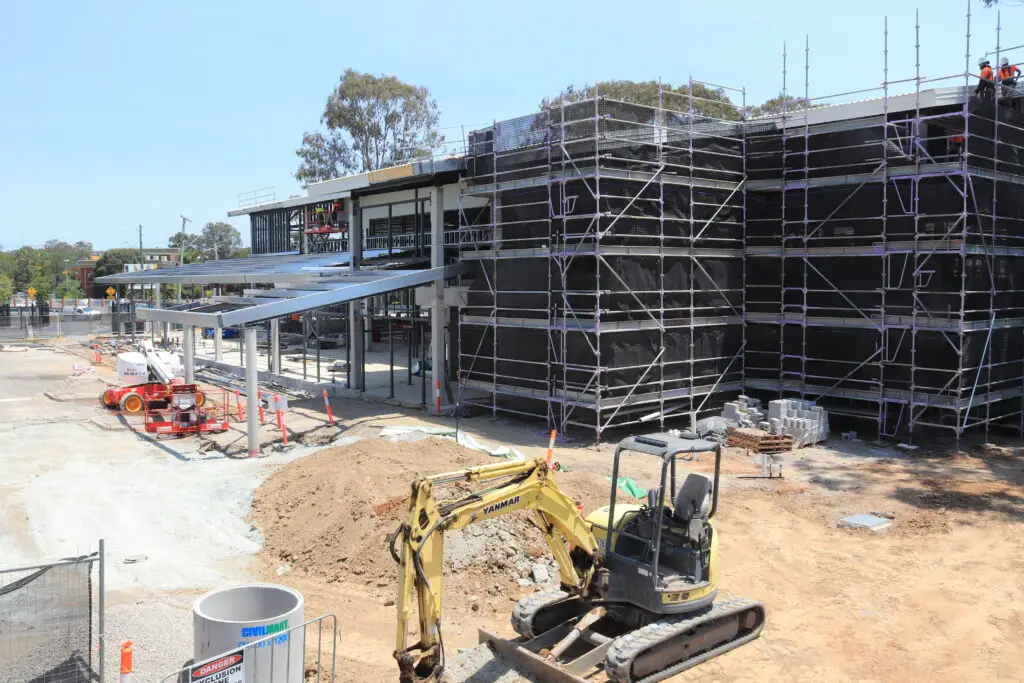
Start by asking what a viewer should be able to understand from the footage. A project manager may need a straightforward view of progress, while a client update or public-facing milestone video may call for a different framing and edit. Identify the audience, the intended use and who will have access to the images. A focused project planning resource can help structure decisions about goals, placement and deliverables before booking.
Choose key stages and capture intervals
Capture frequency affects how the finished sequence feels and how much material accumulates. The right interval depends on project duration, the pace of visible activity and what the footage needs to show; agree this with the provider rather than assume one schedule suits every site. For example, a project brief might distinguish between the following needs:
| Project need | Planning question | Practical consideration |
|---|---|---|
| Long-term overview | Which views should remain consistent? | Avoid positions likely to be blocked as work advances. |
| Milestone update | Which stage should the sequence show? | Confirm dates and expected delivery timing. |
| Stakeholder review | Who needs access to the images? | Agree on access and sharing arrangements. |
| Final video | What story should the edit communicate? | Discuss the intended format before capture starts. |
These are prompts for discussion rather than fixed technical settings. Agreeing on them early helps align capture with the project’s intended use.
Coordinate camera placement with site operations
A useful view must be workable as well as visually clear. Discuss access, mounting position and nearby work with the site team so a camera does not obstruct operations or lose its view as the build progresses. Include relevant site personnel in the planning conversation, particularly where access needs to be arranged. These camera setup considerations cover placement, power, storage and ongoing maintenance in a construction context.
What to expect from camera installation
Installation is a coordination task: the chosen view, mounting method and site conditions all affect the setup. The team should understand what will be installed and what access or support will be needed before the work is scheduled. A provider can then confirm the practical requirements for the selected system. Allow time to check the position and operation once installation is complete.
Select a suitable camera and mounting position
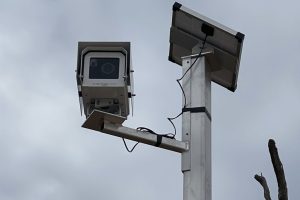
Select the camera and mounting location to suit the project’s scale, viewing distance and expected changes around the site. A stable, unobstructed view makes it easier to compare images over time, but site work may require the position to be reviewed as construction advances. MotionLapse systems include time lapse cameras and intervalometers made in Australia for construction projects. The source also describes 24MP image capture and remote project-photo access, so discuss whether those documented features suit the brief.
Plan for power, connectivity and data storage
Power and connectivity need to be considered before equipment is installed, especially if the selected position is distant from site services. Confirm what the system requires, how images will be accessed and where project photos will be available. The time lapse camera service planning guide covers these practical questions alongside site access and ongoing support. Make responsibilities clear: the site team can then arrange any access or approvals needed for the installation.
Protect equipment from weather, dust and site activity
Construction environments change, and a camera position that works at the start may later be exposed to dust, machinery or new obstructions. Discuss the equipment’s suitability for the location and how it will be checked during the project. The MotionLapse camera systems described in the product information have IP66 housing, with solar or mains power options. Confirm the appropriate configuration with the provider for the specific site rather than assuming every option fits every project.
How to choose a Brisbane time lapse provider
A provider should be able to explain how the proposed setup fits the site and the project’s goals. Ask about equipment, image quality, access, maintenance and the form in which footage will be delivered. Experience matters, but so does a clear agreement about responsibilities and support throughout the build. A written scope makes those expectations easier to compare.
Compare equipment, experience and support
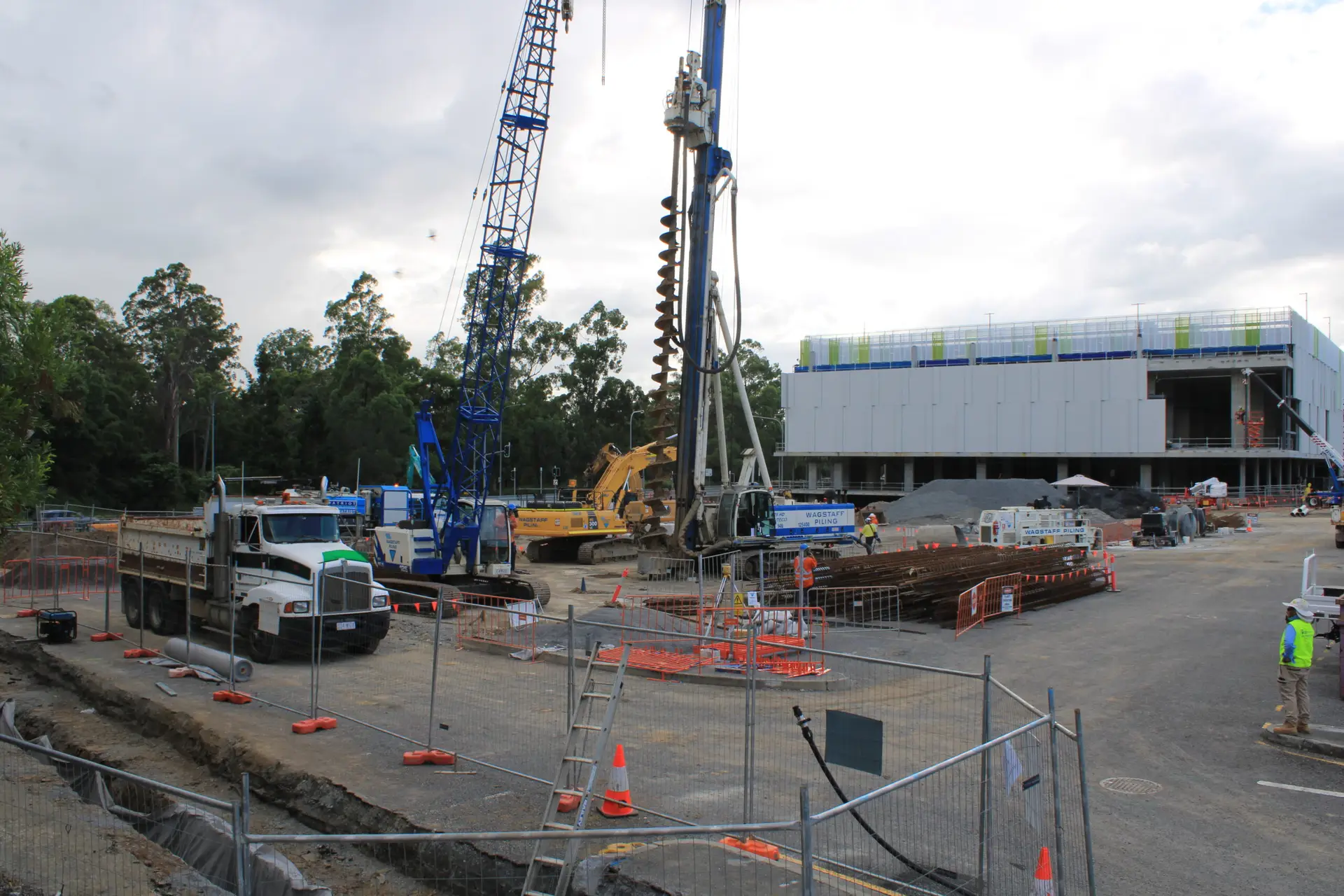
Ask what equipment is proposed, how it will be installed and what support is available if site conditions change. It is useful to discuss the provider’s experience with projects of a similar type, while keeping the evaluation focused on the actual brief. For related construction site planning, portable site offices are a separate procurement consideration; they are not a substitute for agreeing camera access and mounting requirements. Keep each scope clear so that responsibilities do not get blurred.
Check image quality and delivery options
The intended use should guide the conversation about image quality and delivery. Stakeholder viewing, formal records and a finished project video may call for different access or editing arrangements, so ask what is included and what is optional. A service overview can help you compare construction time lapse services, including setup, remote monitoring and final delivery. The business describes 4K cameras, remote monitoring and expert support; confirm how these relate to the proposed project rather than assuming a particular output.
Clarify access, maintenance and project handover
Before signing off, establish who can access the images, who will arrange site entry for maintenance and what happens to the records when the project ends. These details matter when responsibilities transfer between project teams or the site is handed over. As unrelated planning references, readers may also encounter garden barrel saunas, inherited property decisions, chronic pain treatment and dental terms; those topics are outside the scope of a construction camera service. For the camera project, focus on access, maintenance and the agreed handover.
What affects service costs and timelines
Service costs and delivery schedules depend on the scope of the work, not simply the number of cameras. Project duration, site access, equipment needs and the final deliverables can all affect the plan. A useful quotation sets out assumptions and exclusions so that the team can compare proposals on the same basis. Ask for any schedule dependencies to be stated clearly.
Consider project duration and capture frequency
Longer projects require a plan for sustained capture and support, while the selected interval influences the volume and character of the record. Explain the anticipated project duration and any milestone dates when requesting a proposal. Then confirm how changes to the programme would be handled. A clear capture schedule helps ensure the footage remains relevant to the project’s purpose.
Account for site access and installation complexity
Installation timing can depend on when a camera position is available, what approvals are needed and whether the planned mounting location is straightforward to reach. Share site rules and access procedures early, including any constraints that could affect visits. This allows the provider to identify dependencies and give a more realistic installation plan. If work stages change, let the provider know before they affect the intended view.
Confirm editing, hosting and final video inclusions
A quote should separate setup and ongoing capture from optional editing or final video work. Ask how images are hosted, what access is included and what the project receives at completion. The business describes secure remote portal access for viewing site progress; confirm the access and deliverables that apply to your project. A detailed scope can prevent different expectations about what the service includes.
How to get useful footage throughout construction
A camera plan is not finished on installation day. Construction activity, site access and views can change, so the team needs a simple process for checking that capture remains useful. Regular review helps identify issues while there is still time to respond. It also keeps project updates connected to what is actually happening on site.
Keep cameras running as site conditions change
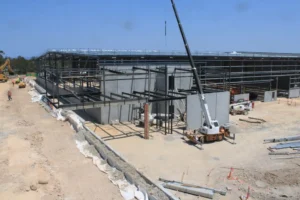
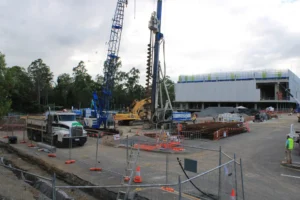
As work progresses, cranes, temporary structures or new buildings can alter a camera’s view. Agree who should flag an obstruction or site change and how the provider should be contacted if a position needs attention. Regular checks can help keep the visual record consistent, especially when activities move between stages. A change in framing should be discussed rather than left unnoticed.
Review captures and resolve issues early
Review images at intervals that make sense for the project, rather than waiting until the final edit to discover a problem. A quick review can reveal a blocked view, a gap in capture or a mismatch between the intended and actual framing. Keep a note of any issue and who is following it up. Early attention gives the team a better chance of preserving useful coverage.
Plan milestone updates and final video delivery
If stakeholders need updates during construction, agree when those updates will be prepared and who will receive them. The timing of an edit should account for the availability of captured material and the project programme. The business describes project highlights and remote viewing through a secure portal; discuss which access and updates suit your audience. For broader context on visual storytelling, this Brisbane time lapse overview considers progress, communication and marketing uses.
Discuss your project with the time lapse team to clarify the camera setup, support and deliverables that fit your site.
Conclusion
Construction time lapse services Brisbane projects can use effectively depend on a clear brief, a practical installation plan and regular review as site conditions evolve. Set expectations for access, image capture and final delivery early, then keep the provider and site team in touch throughout the build. For a project-specific discussion, get in touch about construction time lapse photography and camera installation in Brisbane and Queensland.