Key Takeaways
Good reporting starts with knowing what each project must report, to whom and by when. A clear process then helps teams gather, check and retrieve reliable evidence.
- Map legal, contractual and project-specific obligations before work starts.
- Assign named owners and due dates for each reporting requirement.
- Use consistent records and verify site information before submission.
- Keep reports, evidence and approvals organised for review.
- Revisit the process when project scope or applicable rules change.
What construction compliance reporting covers
Construction compliance reporting is the organised record of whether a project is meeting its applicable obligations. It can draw on site records, approvals, workforce information and reports made to clients or regulators. The requirements are not identical from one project to another, so teams need to understand their own scope rather than rely on a generic checklist.
Regulatory, contractual and project-specific obligations
A project may need to report against legislation, permits, approval conditions, contract clauses and owner requirements. These sources can overlap, but they are not interchangeable: a contractual deliverable may be due even when no regulator requires the same report. For a broad introduction to the kinds of rules involved, see this guide to construction compliance.
A reliable starting point is to name the obligation and the evidence that would demonstrate it. That keeps reporting tied to a specific requirement instead of turning it into a collection of documents with no clear purpose.
Safety, environmental and workforce reporting
Reporting may cover matters such as safety events and inspections, environmental controls, worker training and workforce records. The right set depends on the project and its conditions. Establish what applies before deciding which information to collect, and avoid gathering personal details that are not needed for a defined purpose.
How requirements vary across states and territories
Australian projects should check the requirements that apply in their own jurisdiction, as well as any relevant Commonwealth or local conditions. Project location, approvals and contract terms all matter; requirements can change, so confirm current details with the responsible authority or a suitably qualified adviser.
Online research can also return material from other jurisdictions or unrelated topics. For example, RT2020 and RE2020 guidance concerns French building requirements, while pregnancy and fertility information, party-game reviews and medical assistant training are unrelated to construction compliance. Treat search results as leads to check, not as evidence that a rule applies to an Australian project.
Who is accountable for each compliance obligation
Accountability works best when each obligation has a named owner, a reviewer and a clear route for escalation. A project manager may oversee the register, while relevant site or commercial personnel gather and verify specific records. The allocation should also make clear who submits a report and who retains the supporting evidence.
Identify reporting requirements before work begins
The pre-start period is the practical moment to convert scattered conditions into a reporting plan. Review the project’s approvals and contract documents, then clarify any gaps with the relevant parties. This groundwork makes due dates, evidence and responsibilities visible before site activity adds pressure.
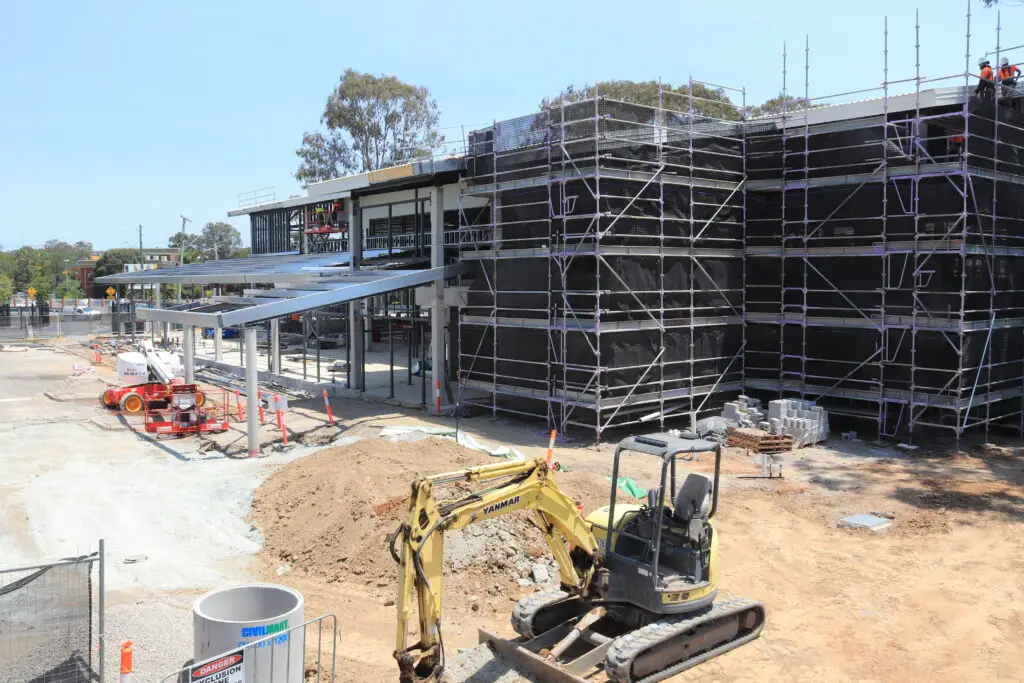
Review permits, approvals and contract conditions
Read approval documents and contract schedules together, noting each required report, event trigger and recipient. If conditions are unclear or appear to conflict, record the question and seek clarification rather than making an assumption on site. A useful regulatory compliance overview can provide general context, but project-specific documents and authorities determine the applicable requirements.
Build an obligations register with due dates
An obligations register gives the team one place to see what is due and who owns it. Include enough detail to act on each entry, such as its source, evidence, due date and status. A compact register might use fields like these:
| Register field | What to record | Why it helps |
|---|---|---|
| Obligation | Requirement and source document | Keeps the reason for reporting traceable |
| Owner | Person responsible for preparing the information | Makes accountability clear |
| Due date | Deadline or event that triggers reporting | Helps teams plan work in time |
| Evidence and recipient | Required records and submission destination | Reduces ambiguity at review time |
The register is only useful if it is maintained as conditions change. Review it at project start-up and whenever a new approval, instruction or contractual requirement affects reporting.
Confirm required formats, evidence and recipients
Before a reporting cycle begins, confirm whether the recipient expects a particular template, supporting documents or submission channel. Clarify whether photographs, inspection records or other attachments are needed, and who is authorised to approve the final material. Construction project documentation offers related guidance on managing records, revisions and compliance evidence.
Check subcontractor and supply-chain reporting duties
Subcontractors may have reporting duties under their own contracts or as part of the project’s evidence chain. Make the relevant requirements clear during mobilisation, including what must be submitted, when it is due and how corrections will be handled. Keep the requested information proportionate and focused on the project’s actual obligations.
Collect reliable compliance data on site
Reports are only as dependable as the records behind them. Site teams need straightforward ways to capture information close to the time an activity, inspection or event occurs. Clear responsibilities and consistent definitions help turn those records into information that can be checked and used.
Assign clear responsibilities for data capture
For each record type, identify the person who captures it and the person who checks it. This avoids leaving important details to whoever happens to be available at the end of a shift. Make the process practical for the people doing the work, and explain where completed records should go.
Use consistent forms, definitions and document controls
Shared forms and definitions reduce differences in how teams describe the same event or inspection. Document controls should also identify the current version and show who made changes, so an old template does not quietly reappear in use. When visual records support progress communication, construction progress reporting can help teams think through evidence, milestones and timely updates.
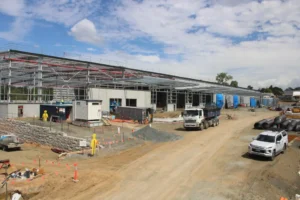
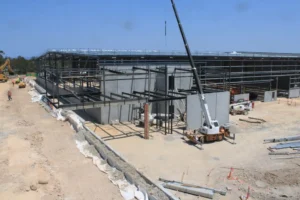
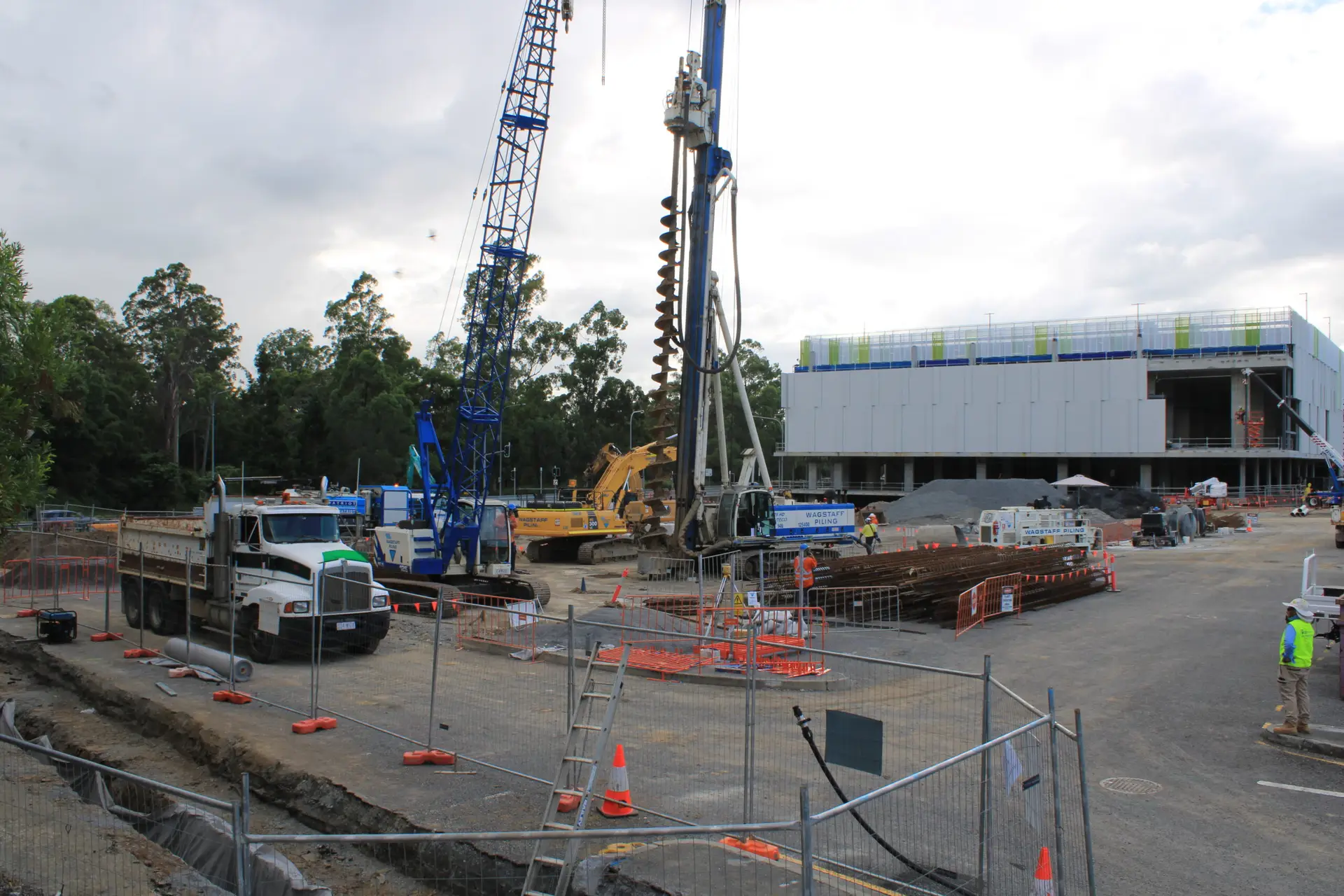
For some projects, dated images can complement written records by showing visible site conditions at particular points in time. Construction Time Lapse Specialists provides construction time-lapse photography and camera installation services, as well as visual monitoring services including 4K cameras, drone imaging and high-resolution photography. These records can support communication and project reporting, but they do not replace required inspections, approvals or written evidence.
Record incidents, inspections, training and corrective actions
Capture the facts needed to understand what happened, what was checked and what action followed. Keep the entry tied to its date, location and responsible person, and link corrective actions back to the original finding where practical. That makes it easier to follow the history rather than treating each report as a standalone form.
Verify subcontractor submissions before accepting them
A submission should be checked for completeness, legibility and consistency with the agreed requirement before it is marked received. If information is missing, return it with a specific request and a reasonable deadline. Keeping the original submission and its correction history provides a clearer record of how the final evidence was assembled.
Create a dependable reporting process
A reporting process needs to work through ordinary site pressures, not just when everything runs to plan. Set a predictable cycle, build in time for review and make escalation routes clear. That way, the team can spot a late or incomplete item while there is still time to address it.
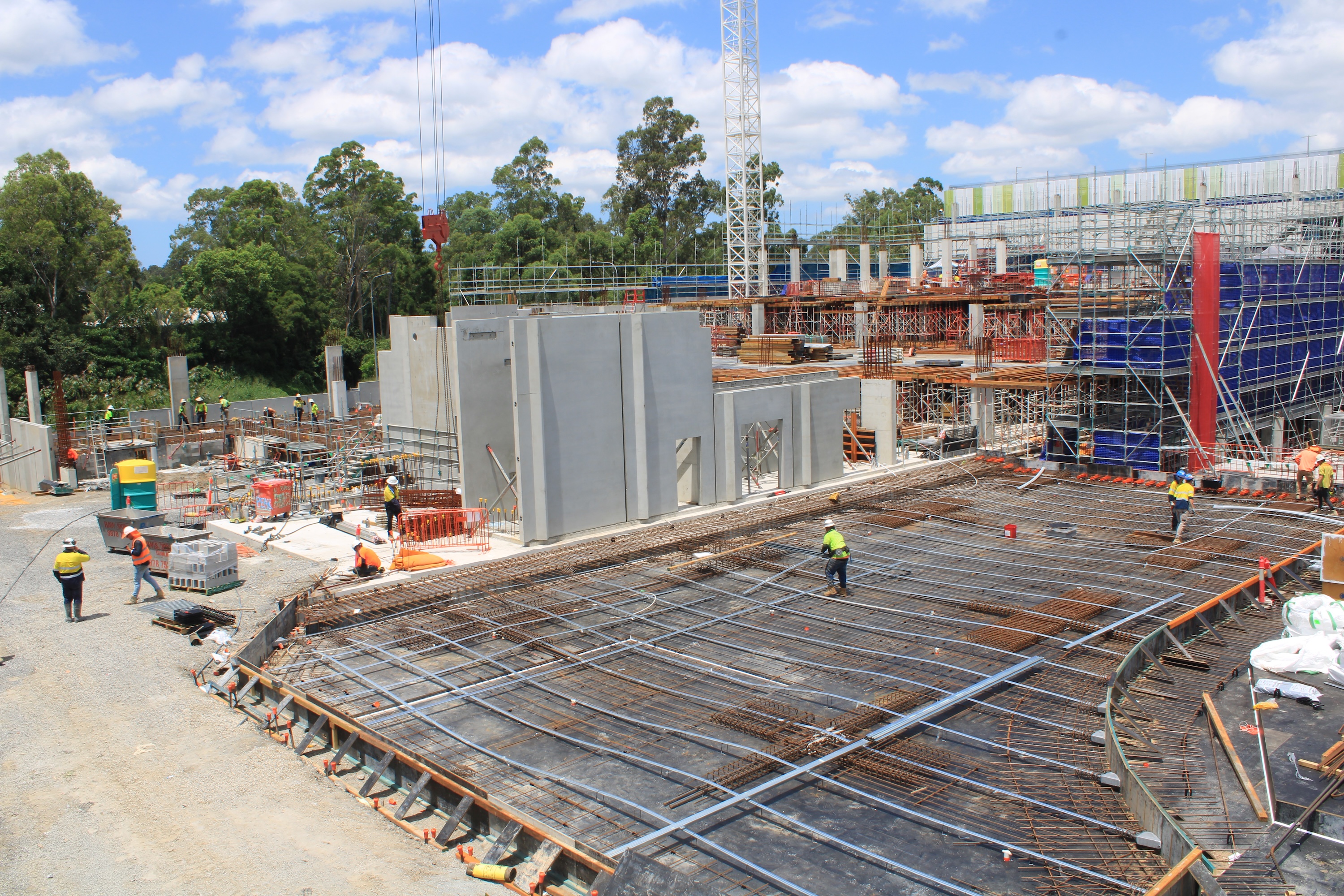
Set reporting frequency and internal cut-off dates
Work backwards from each external deadline to set an internal date for collecting information and another for review. The gap gives the responsible people time to resolve missing records or questions. Match the frequency to the obligation: a one-off approval condition and a regular project update will not necessarily need the same cadence.
Validate information before submission
Validation should check that the report is complete, internally consistent and supported by the expected evidence. A brief review can catch mismatched dates, missing attachments or figures that do not agree with the underlying register. For teams dealing with repeated paperwork, it can also be useful to consider the risks described in this overview of manual compliance reporting, without assuming that any one process or tool suits every project.
Escalate overdue, incomplete or non-compliant items
Set out when an owner should raise an issue and who receives the escalation. A short sequence gives people a practical route to follow when a deadline is at risk:
- Notify the responsible owner as soon as a due date is threatened.
- Identify what evidence or action is still missing.
- Refer unresolved or potentially non-compliant matters to the designated reviewer.
- Record the decision, next action and revised deadline.
Use the same route consistently, while allowing urgent safety or compliance concerns to be raised immediately. A recorded escalation helps the team see what was known and what response followed.
Keep an audit trail of reviews and approvals
Retain the submitted version, supporting evidence and the relevant review or approval record. Record changes in a way that preserves which version was checked and when it was authorised. This creates a more useful history than an isolated final file with no indication of how it reached approval.
Use technology to manage reports and evidence
Technology can make records easier to capture, organise and retrieve, but the tool should fit the project’s actual workflow. Consider who needs access, what data must be retained and how site teams will work when connectivity is limited. Start with those requirements before comparing platforms or equipment.
Choose tools that suit project size and site conditions
Match the tool to the volume of records, number of users and conditions on site. A small project may need a simple controlled folder structure, while a larger programme may require more formal workflows and access arrangements. For visual progress records, MotionLapse construction time-lapse camera systems capture high-resolution 24MP images, provide remote updates via 4G/5G and create 4K progress videos through a smart online portal.
Connect field records with central document management
Field records need a clear route into the project’s central document system, where they can be found alongside approvals, reports and revisions. Define naming conventions and filing responsibilities so that the same evidence is not scattered across personal devices and email threads. Construction project documentation provides further guidance on organising records across planning, procurement, site progress and handover.
Set access controls, version history and retention rules
Decide who can view, edit, approve and share each category of information. Keep version history where records may change, and set retention rules in line with project and legal requirements. Access should be broad enough for authorised work but limited where personal or commercial information is involved.
Plan for offline capture and system outages
Agree how teams will record essential information if a system or connection is unavailable. The fallback could be a controlled temporary record that is entered into the main system once access returns, with the original date and source preserved. Test the approach so that a short outage does not lead to duplicate or lost records.
Prepare for audits and compliance reviews
An audit or review is easier to manage when evidence is organised as part of the normal reporting cycle. Teams should be able to trace a reported figure or statement back to its source record without searching through unrelated folders. Regular checks also reveal gaps while the people and information involved are still accessible.
Organise evidence so it can be retrieved quickly
Use a consistent structure that connects each obligation to its supporting records and submitted reports. Clear file names, dates and version details help reviewers find relevant evidence without relying on one person’s memory. If visual documentation supports project communication, construction site documentation services discuss ways to plan and organise photography, video and visual reporting.
Reconcile reports against site records and registers
Compare submitted information with inspection records, incident logs and the obligations register. Any mismatch should be investigated and corrected with a note of what changed and why. Monitoring construction progress also depends on measurable criteria and reliable site evidence, useful principles when checking whether a report reflects what was recorded on the ground.
Track findings, owners and corrective action deadlines
Record each review finding with an owner, an action and a due date. Follow up until the action is complete, and retain evidence of closure rather than assuming that a verbal update is enough. A simple status review can help project leads see which items need attention before the next reporting milestone.
Protect sensitive personal and commercial information
Share records only with people who need them for an authorised project purpose. Consider privacy and commercial sensitivity when preparing submissions, photographs and supporting attachments, and use the project’s approved storage and access controls. If a record must be redacted or restricted, keep the reason and decision documented.
Improve compliance reporting over time
A reporting process should be reviewed against what actually happens on the project. Patterns such as repeated late submissions or recurring evidence gaps can point to unclear instructions, impractical timing or a weak handover. The aim is to make the next cycle more reliable, not simply to produce more paperwork.
Monitor overdue reports, repeat findings and data gaps
Review overdue items and recurring findings at regular project meetings. Separate one-off errors from repeated problems, then ask whether the cause is a missing resource, an unclear owner or an ineffective process. Construction site monitoring covers practical ways to use monitoring and reporting tools to improve visibility, while recognising that they support rather than replace site supervision.
Use lessons from audits and incidents to update processes
When a review identifies a gap, update the relevant form, register or instruction and explain the change to affected people. Keep a record of what changed and when it takes effect, so teams do not continue using outdated material. Apply the same discipline after incidents: capture lessons without confusing an improvement action with proof that an obligation has been met.
Give workers and subcontractors practical reporting guidance
Good guidance is concise and specific to the records people must create. Show what a complete entry looks like, where it should be filed and who can answer questions. Brief subcontractors before work begins and revisit the instructions when project requirements change.
Review obligations when project scope or regulations change
A variation, new approval condition or regulatory update can change what the project must report. Assign someone to check whether the obligations register, templates, owners and due dates need updating. Confirm the change with the relevant authority or project representative where necessary, then communicate the revised process to the people affected.
Conclusion
Construction compliance reporting is strongest when requirements are identified early, evidence is captured consistently and reports are checked before they leave the project. Keep ownership and records clear, review what is not working, and update the process when conditions change. For projects that would benefit from a visual record of progress, contact Construction Time Lapse Specialists to discuss time-lapse cameras and installation options.