Key Takeaways
Construction project documentation is more than a folder of drawings: it records decisions and work from early planning through closeout. A clear system makes information easier to trust and use.
- Match records to the needs of each project phase, from procurement to handover.
- Give every document an owner, a clear identifier and an agreed location.
- Use controlled reviews and revision records to keep current information in circulation.
- Capture site activity and changes promptly, with enough context to make each record useful.
- Confirm client, contractual and regulatory requirements early, then check the handover set for completeness.
What construction project documentation covers
Construction project documentation is the connected set of records that describes what a project intends to deliver and what happens as it is built. It includes formal documents, such as contracts, drawings and specifications, as well as working records created on site. Used well, these records help people understand the current position without relying on memory or scattered messages. The construction documentation guide offers a related overview of keeping information accurate and accessible through project closeout.
How project records support decisions and accountability
A useful record makes a decision traceable: what was considered, who agreed to a course of action, and which information was current at the time. That context can help teams resolve questions about scope, timing or responsibility before they become larger disputes. It also allows a project manager to explain a change to a client or delivery partner with evidence rather than recollection. The value is in clear, retrievable evidence, not simply in producing more paperwork.
Which people and organisations create and use documents
The document set is built by many contributors. Clients and project managers define the brief and requirements; designers and consultants prepare drawings and technical information; builders and subcontractors create site records; and approval bodies may issue conditions or decisions. Each group needs enough access to do its work, while still understanding which version is authoritative. Clear ownership helps avoid the common problem of a document being everyone’s responsibility and therefore no one’s to update.
How documentation needs change across project phases
Early records establish scope, constraints and the basis for procurement. During design and delivery, teams need coordinated information, approvals and evidence of what is happening on site; near completion, the emphasis shifts to verified records that help the client operate and maintain the asset. The format may change, but the need for a dependable trail remains. The construction documents overview also discusses how documentation supports a project from design through completion.
Essential documents at each project stage
The right record depends on the decision or activity it supports, so document sets should grow in step with the work rather than being assembled in a rush at the end. Some documents are formal project controls; others capture what was actually done. A project team can use the outline below as a starting point, then tailor it to the contract, asset and client requirements.
Planning and procurement records, including briefs and tenders
Before work starts, the brief should set out the intended outcomes, known constraints, responsibilities and information needed from bidders. Tender documents and responses then establish the basis for comparing proposals and clarifying what is included. Keep the accepted scope and subsequent clarifications together so that the delivery team can refer back to the same agreed baseline. This is also where a document register can begin, rather than being created after the first information request.
Design documents, drawings and technical specifications
Design information explains what is to be built and the requirements that shape materials, dimensions and methods. Drawings and specifications need to be coordinated and clearly identified so that a builder can tell which set applies to a particular work package. Construction Time Lapse Specialists provides drone aerial photography and inspections in Brisbane and the Gold Coast; when visual material is used alongside formal design records, label its purpose and date so it is not mistaken for an approved drawing or specification.
Site records, inspections and progress reports
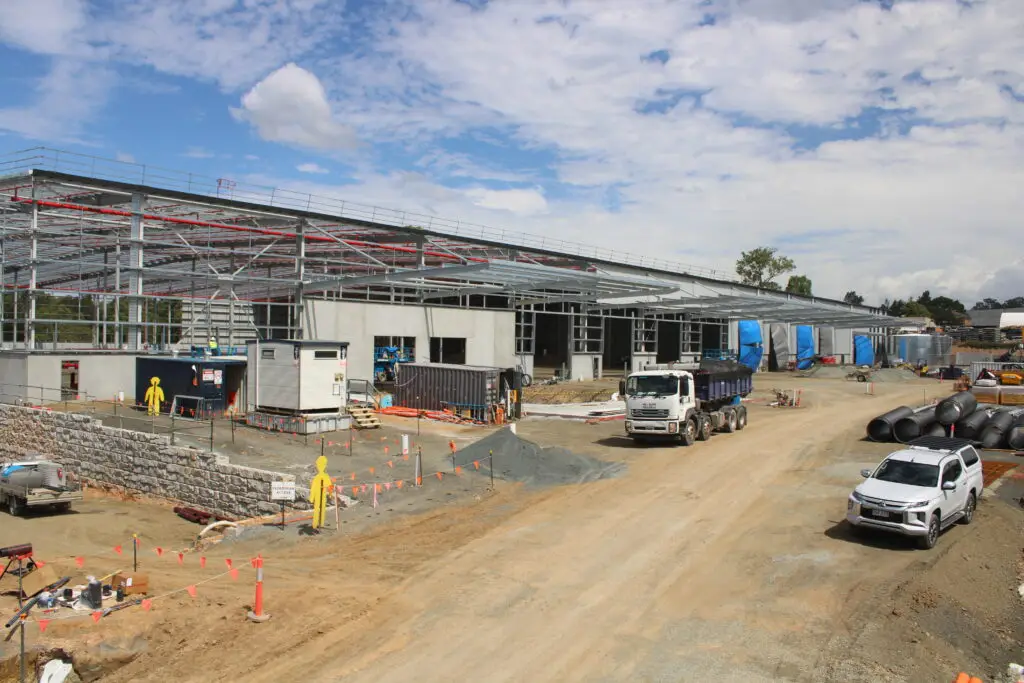
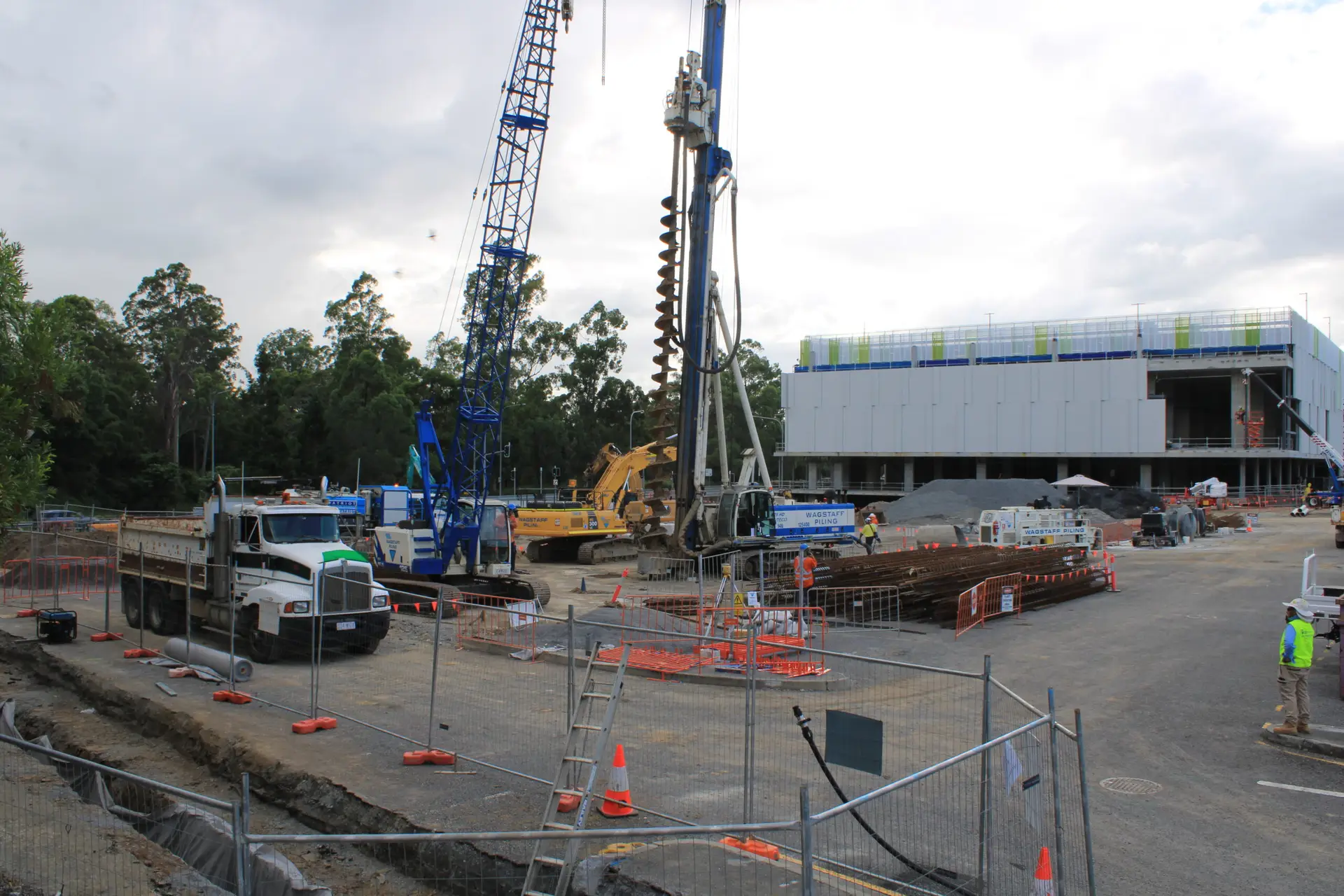
Site records provide a contemporaneous account of conditions, activities, progress and issues. Depending on the project, this can include daily reports, inspection outcomes, test records, photographs, instructions and responses to defects. Construction Time Lapse Specialists specialises in construction time-lapse photography and camera installations, which can provide visual material alongside written project records. For example, MotionLapse construction time-lapse camera systems capture high-resolution progress images and provide an online monitoring portal; treat those images as visual records, not a substitute for formal approvals or inspection records.
Handover documents, including warranties and as-built information
At closeout, the client needs information that reflects the completed asset, not only the original design intent. The handover set may include verified as-built drawings, operation and maintenance information, warranties, test outcomes and relevant approvals. Agree the required format and delivery method early, because documents may need checking or correction before they are accepted. A well-prepared set makes the transition to operation more straightforward and leaves a useful record for future work.
How to organise project documents
An organised system lets people find information without guessing where it lives or whether it is current. It should work for the project team and external parties who need controlled access, and it should remain understandable as the document set expands. Start with a register and a naming convention that are practical enough to use consistently. Then make the folder structure and permissions follow those choices.
Create a document register with clear ownership
A document register records what exists, where it is stored, who is responsible for it and what status it has. Assign an owner who can maintain the entry and coordinate updates, even when another party prepares the document. A compact register usually needs only a handful of fields to be useful:
- Document title and unique reference
- Originating organisation and responsible owner
- Current revision, status and issue date
- Review or approval responsibility
- Storage location and any required next action
The register should be reviewed as part of normal project coordination, not just at the start. When an item is superseded or no longer required, update its status rather than leaving an ambiguous entry in the active list.
Use consistent naming, numbering and metadata
A naming rule helps people identify a file before opening it. Agree how the project will represent discipline, location, document type, sequence and revision, and apply the pattern across teams. Metadata can add useful context such as status, issue purpose and date, especially when filenames alone cannot convey it. Keep the convention simple enough that contributors can follow it under time pressure.
Structure folders around project phases and work packages
Folders should reflect how people look for information, such as by phase, discipline or work package. Avoid creating multiple active copies in separate locations: a clear link or controlled reference is safer than parallel files that drift apart. For projects with a large document set, the register can bridge the structure by pointing to the correct location. Review the arrangement as packages move from design into delivery so completed work does not become difficult to retrieve.
Set permissions for internal teams and external partners
Access should match each person’s role. Some contributors may need to view documents, others may need to submit or revise them, and approval authority should be explicit. A consistent process for inviting external partners and removing access when roles change reduces confusion about where information should be shared. Clear permissions support collaboration without making sensitive project information available to everyone by default.
How to manage revisions and approvals
A document is useful only when its status is understood. Reviews and approvals should therefore be treated as a defined workflow, with a record of who reviewed what and when. The process need not be complicated, but it should distinguish draft information from material that is approved or issued for a particular purpose. That distinction is especially important when work is moving quickly on site.
Establish a review and approval workflow
Set out the steps a document follows, who is responsible at each stage, and what status labels mean. A designer may prepare a draft, a discipline lead may coordinate it, and an authorised person may approve its issue; the precise roles depend on the project. Set expected review periods and a route for resolving comments that cannot be closed immediately. A predictable workflow helps contributors know whether to review, revise or act on the information.
Track revisions so teams can identify current documents
Every revision should be distinguishable from earlier versions, with a reference, date and concise description of the change. Keep the history available so the project can understand how the information evolved, while making the current status easy to spot. The document register and the file itself should agree. This simple check reduces the risk that someone acts on a superseded version because it was easier to find.
Record decisions, comments and approval dates
Comments are most useful when they are attached to a specific document and revision, assigned to an owner and followed through to resolution. Record the decision, any conditions, and the approval date rather than relying on an email thread alone. If a change affects other documents or packages, note the connection so the impact can be reviewed. A complete decision trail gives later readers enough context to understand not only what changed, but why.
Prevent obsolete drawings from being used on site
Make the current issued set accessible at the point of use and clearly mark superseded copies as obsolete. When a new revision is issued, notify the relevant people and remove or replace uncontrolled printed copies where practical. Construction Time Lapse Specialists also provides high-resolution photography and visual monitoring services; these can help show visible site progress, while the approved drawings and controlled records remain the reference for construction instructions. A short, documented issue process is more reliable than assuming that everyone has seen a new file.
How to maintain accurate site records
Site records are strongest when they are made close to the event and include enough detail to be understood later. That means recording dates, locations, people involved and the context for observations, not just the outcome. Photos can add useful evidence, but a caption or linked entry should explain what they show. Consistency matters more than elaborate forms that crews will struggle to complete.
Capture daily reports, photos and weather conditions
Daily reports can record the work undertaken, workforce and equipment present, deliveries, disruptions and relevant conditions. Note the location and time for photographs and explain which activity or milestone they relate to. Construction Time Lapse Specialists provides construction time-lapse photography and camera installations; for wider visual coverage, teams can also plan progress photography around milestones and repeatable viewpoints. Used together with written records, dated imagery can help stakeholders understand visible change across the project.
Document instructions, variations and design changes
Instructions and changes need a clear source, date, description and record of how they were authorised. Link each change to affected drawings, specifications, work packages and any cost or programme assessment that applies. If a direction is still awaiting confirmation, label it as such rather than allowing uncertainty to disappear into a meeting note. The project record should show the path from proposal to decision and implementation.
Record inspections, tests, defects and corrective actions
An inspection or test record should identify the item checked, the method or relevant reference, the result and any action required. For defects, record responsibility, due date, resolution and any verification that the corrective work is complete. Keep related evidence together so the team can follow an issue from identification to closure. This creates a more useful record than a simple list of open defects with no update history.
Check site entries for completeness and accuracy
A quick review at the end of a shift or reporting period can catch missing dates, unclear locations and incomplete action details. Where several people contribute, agree who checks entries and how corrections are made without obscuring the original record. Photos should be identifiable and stored in the same system or linked clearly to the corresponding report. Regular, light-touch checks are easier to sustain than a major clean-up at closeout.
How to meet contractual and regulatory requirements
Record keeping should be planned against the actual project obligations, not assumptions about what is usually retained. Contracts, approvals and applicable standards may specify particular documents, formats, sign-offs or timeframes. Confirm these early and assign responsibility for producing and preserving each required record. The project team can then build compliance into normal document control rather than treating it as a separate final-stage exercise.
Identify record-keeping obligations before work begins
Review the contract, approval conditions and project-specific requirements before mobilisation. Make a list of required submissions, inspection evidence, notices, approvals and retention expectations, then assign an owner and due point to each. If a requirement is unclear, seek clarification through the appropriate project channel and record the response. Early agreement gives contributors time to create the evidence as work proceeds.
Link documents to contracts, standards and approvals
A document register can identify the contract clause, standard, approval or work package that a record supports. This relationship makes it easier to find evidence during a review and to see whether a requirement is still outstanding. Keep references accurate and avoid implying that a document demonstrates compliance unless the relevant review or sign-off has taken place. Clear links between obligations and evidence make the record set more navigable.
Protect sensitive information and manage access
Project files can contain commercial, personal or security-sensitive information. Store them in approved locations, use permissions that reflect responsibilities and avoid circulating uncontrolled copies. Establish how external parties submit and receive information, and what to do when access is no longer needed. Good access control supports both confidentiality and confidence that people are consulting the intended record.
Set retention periods and preserve audit trails
Agree how long different records must be kept and who is responsible for preserving them after project completion. Retain the history needed to understand revisions, approvals and significant decisions, rather than keeping only the latest file. Any correction should leave a trace of what was amended and when, in line with the project’s applicable requirements. A tidy archive is more valuable when its structure and audit trail remain understandable to someone who was not involved in delivery.
How to prepare documentation for handover
Handover is the point where the project’s information becomes an operational resource for the client. Begin preparing well before practical completion, since missing or inconsistent records can take time to resolve. Agree what will be transferred, in what format, and how the client will confirm acceptance. A staged review gives the team a chance to correct gaps while the people with relevant knowledge are still available.
Confirm handover requirements with the client early
Ask the client to confirm the required document types, formats, naming conventions and transfer method at the outset. Clarify whether information needs to be grouped by asset, system, location or another structure, and identify who will review it. Keep the agreed requirements visible in the register so package teams can prepare their contributions as work progresses. This avoids relying on a single last-minute request to define the final deliverable.
Verify as-built drawings against completed work
As-built information should be checked against the work completed and updated through the project’s agreed process. Confirm that revisions incorporate approved changes and that references, locations and identifiers are consistent. Where a discrepancy remains, record it and agree how it will be resolved rather than presenting an unverified drawing as final. Verification makes the record more useful to people who will maintain or alter the asset later.
Compile operation, maintenance and warranty information
Gather operation and maintenance material, warranties, test records and relevant supplier information in a form the client can use. Confirm that each item applies to the installed equipment or completed work and that any required contacts or service details are current. Keep information grouped logically and cross-reference it to the relevant system or asset. This makes it easier for facilities staff to locate what they need after the delivery team has left.
Check document completeness before final transfer
Before transfer, compare the assembled set against the agreed handover register. Check that files open, names and revisions are clear, approvals are present where required and no obvious package is missing. Record outstanding items, their owners and agreed resolution dates rather than quietly excluding them. For practical visual records, teams may also find construction photography guidance useful when planning how imagery is organised and shared.
Conclusion
Reliable construction project documentation grows from clear ownership, controlled revisions and timely site records, then becomes a practical resource at handover. For a project that would benefit from visual progress records, contact the team at Construction Time Lapse Specialists to discuss construction time-lapse photography or camera installations suited to the site.