Key Takeaways
Visual monitoring is most useful when it supports a clear project question and fits into the team’s regular review process. A consistent record can make progress easier to discuss, but it works best alongside site inspections and other project records.
- Choose capture methods to suit the site, work areas and project objectives.
- Repeatable viewpoints and schedules make images easier to compare over time.
- Visual records can support progress reviews, reporting and communication.
- Set clear rules for image access, retention and the capture of people.
- Review whether the monitoring workflow is helping teams make timely decisions.
What construction site visual monitoring involves
Construction site visual monitoring is the planned capture and review of images that show how a project and its conditions change over time. It can help teams see work from a consistent viewpoint and keep a record that is useful during project discussions. It does not replace site supervision or inspections; it adds visual context to the information people gather in other ways.
How visual records capture site conditions over time
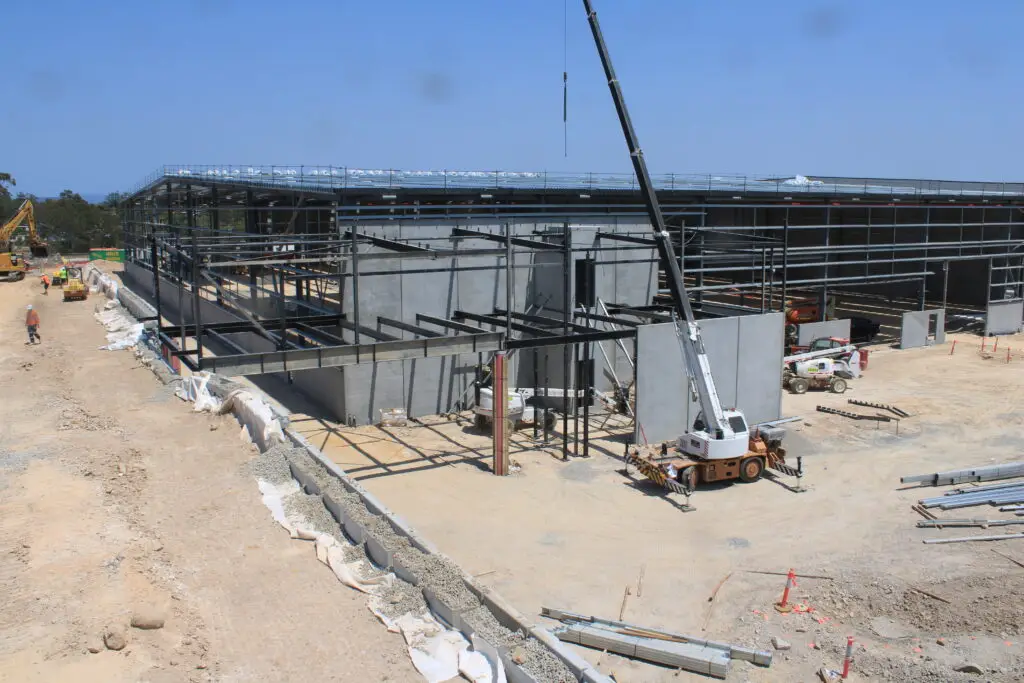
A photograph or video captures a moment, while a sequence of records can show how a work area changes between milestones. For the comparison to be useful, teams need dates, locations and reasonably consistent viewpoints. That way, a reviewer can distinguish actual change from differences in angle or coverage.
The difference between visual monitoring and traditional inspections
An inspection involves a person assessing conditions against relevant requirements, using their professional judgement and recording findings. Visual monitoring supplies images that may support that process, but an image alone cannot confirm that work complies with a specification or that a hazard has been controlled. The two approaches answer different questions, so teams should be clear about what evidence each one provides.
Common sources of site imagery and data
Site teams may use fixed cameras, handheld photography, 360-degree cameras or drone imagery, depending on the site and the view needed. Construction Time Lapse Specialists provides 4K cameras, drone imaging and high-resolution photography, offering visual records from more than one perspective. Teams planning an aerial capture can also review the scope of Panorama Drone Inspection, while checking that any provider and flight plan suit the particular project.
Where visual monitoring fits into project management
Visual records sit alongside programmes, site diaries, inspection notes and formal reports; they are not a substitute for any of them. Assigning someone to review and file the images helps keep the information connected to decisions rather than leaving it in an unlabelled folder. A practical site documentation service can help teams think through capture schedules, record organisation and sharing from early works to handover.
Why teams use visual monitoring
A well-planned record gives project teams another way to understand what has changed between reviews. It can make conversations more specific, especially when people are not all on site at the same time. The value depends on capturing the right areas and making time to review what the images show.
Track progress against plans and milestones
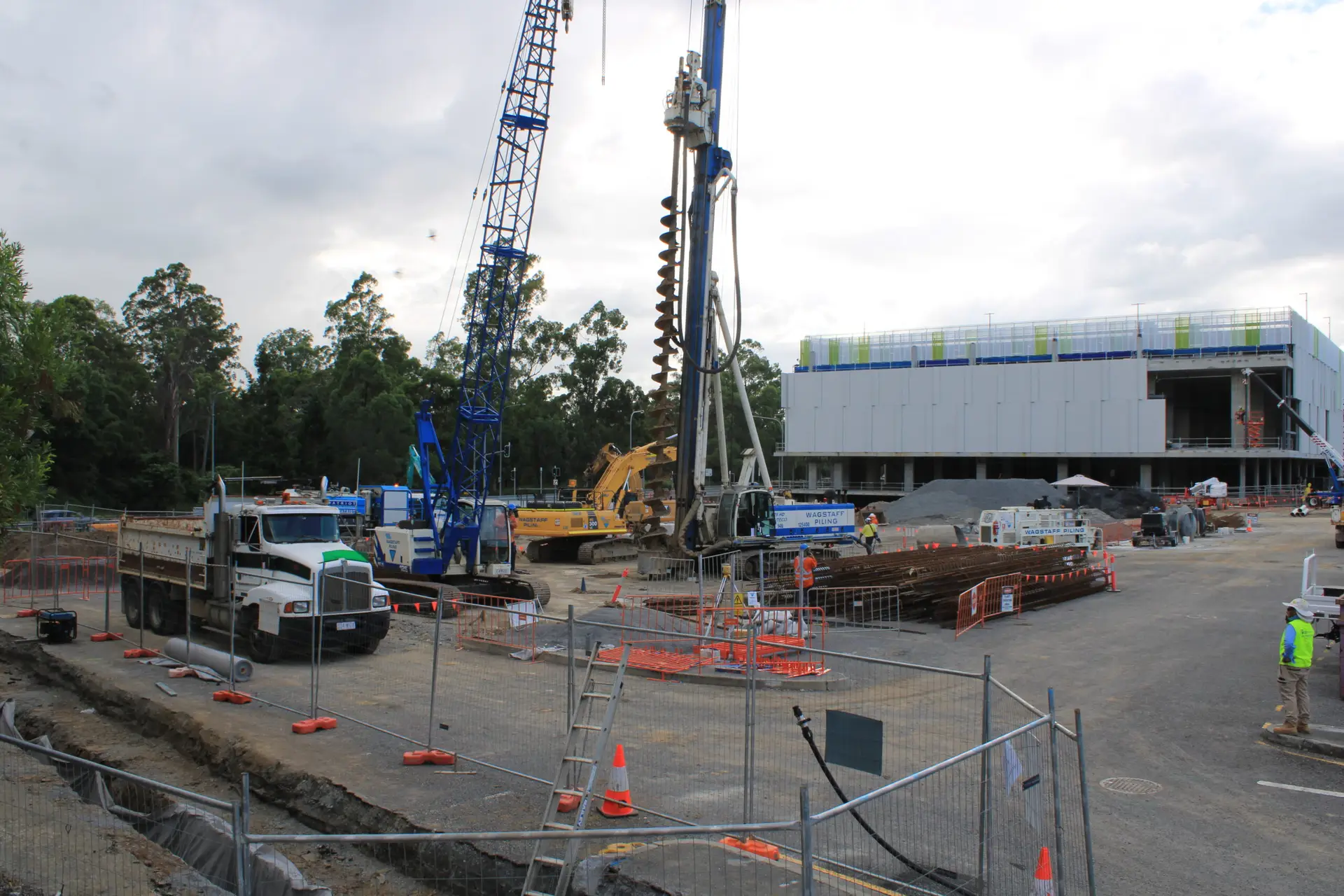
Images can help teams discuss whether visible work appears to be advancing in line with planned milestones. They are most useful when paired with the programme and a clear definition of what counts as complete, rather than treated as a progress measurement on their own. A progress monitoring guide offers a related perspective on tracking completed and delayed work and following up on risks.
Spot delays, defects and safety concerns earlier
A visual record may prompt a closer look when work appears to have stalled or a condition has changed. It should be treated as a signal for someone to investigate, not as proof that a defect or safety breach exists. Regular image review can also help teams identify areas that deserve attention before the next scheduled discussion.
Improve communication with clients and contractors
Images give a meeting a shared point of reference: people can discuss the same work area rather than rely only on differing recollections. Construction Time Lapse Specialists provides remote monitoring and expert support, which can help project stakeholders view progress without every conversation beginning with a site visit. The team still needs to explain what the images show and what action, if any, is required.
Create a clearer record for claims and reporting
A dated sequence can add context to progress reports and help teams revisit site conditions at a particular point in the programme. Records are more useful when the capture date, location and purpose are clear, and when the project keeps relevant written records with them. Construction time-lapse photography can also support remote review and progress reporting, while the project team remains responsible for evaluating evidence in context.
Choosing cameras and monitoring technology
The best setup is not necessarily the one with the most features. Start with the decisions the images need to support, then consider which views, capture intervals and access arrangements will make those decisions easier. Camera systems also need to suit the site’s physical conditions and the team’s capacity to manage the records.
Compare fixed cameras, 360-degree cameras and drones
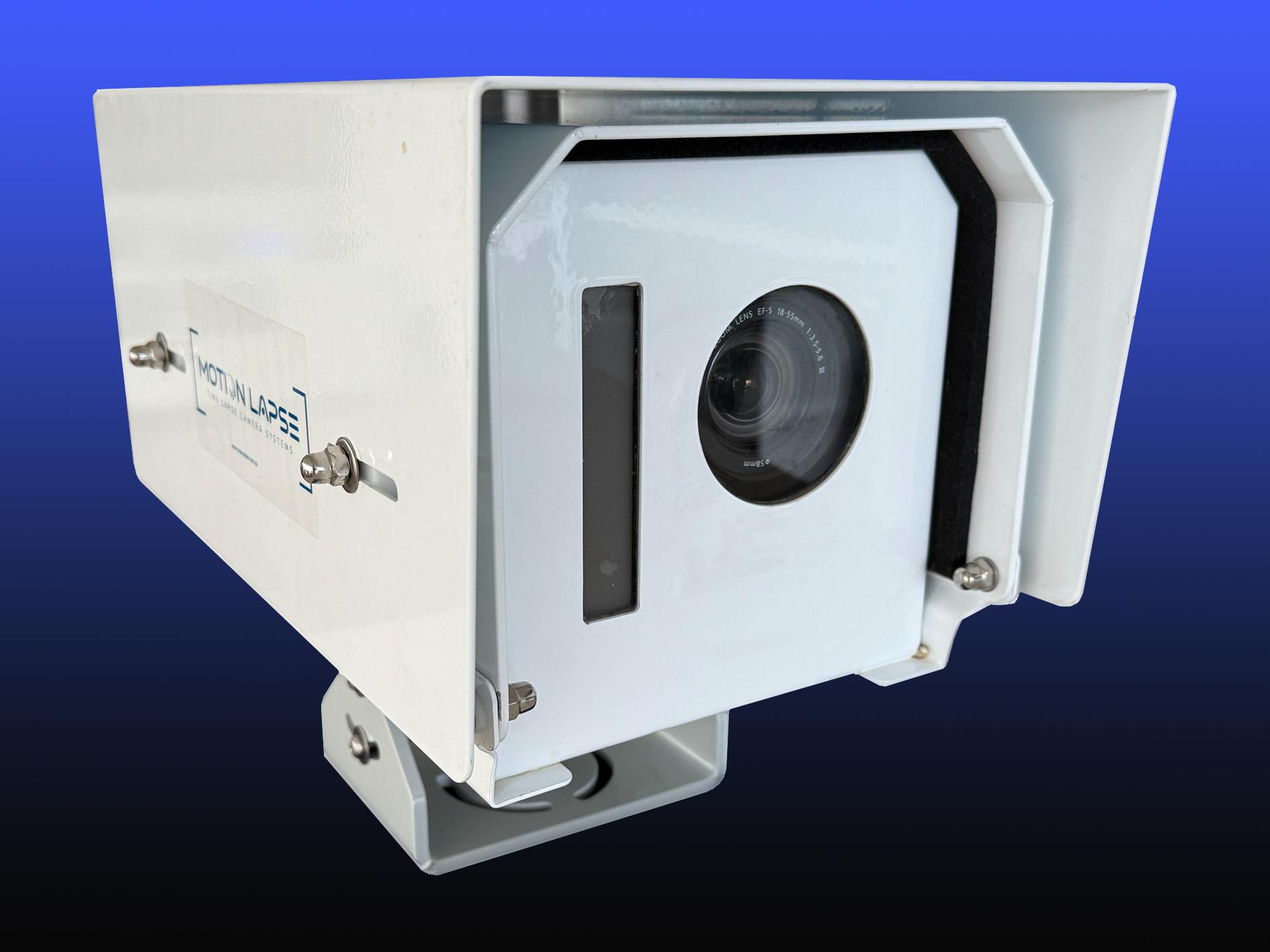
Fixed cameras can provide a repeatable view of a selected area, while 360-degree capture can show more of the immediate surroundings in one record. A drone can capture an aerial perspective when the site, weather and operating arrangements allow it. For example, MotionLapse systems are described as rugged, remotely connected cameras for capturing high-resolution project progress; the choice between these and other capture methods still depends on the coverage required.
Assess image quality, coverage and capture frequency
Image quality matters only if it lets the intended viewer see the details relevant to the review. Coverage and timing are just as important: a clear image of the wrong area, or a gap around a key milestone, may not help answer the project question. The following comparison can help a team frame its requirements before choosing equipment.
| Requirement | Question to ask | Why it matters |
|---|---|---|
| Image detail | Can reviewers see the work they need to discuss? | Detail should suit the intended review. |
| Coverage | Which areas and viewpoints need to be recorded? | Coverage determines what the record can show. |
| Frequency | How often will the team review change? | Timing should match the pace of work and milestones. |
| Access | Who needs to view the images, and when? | Access arrangements affect how useful records are in practice. |
This is a planning aid, not a technical specification. Teams should test proposed viewpoints and capture intervals against actual work sequences before relying on them for regular reporting.
Consider connectivity, power and site conditions
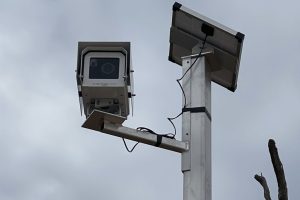
A camera’s location needs to account for power, connectivity, access for maintenance and exposure to the conditions on site. It is worth checking the view from the intended mounting point and considering how construction activity could obstruct or disturb it. Construction Time Lapse Specialists installs cameras for construction projects, so installation planning can be discussed as part of a project-specific setup.
Decide when automated analysis is worth using
Automated tools may be useful when a project has enough recurring imagery and a defined review task to justify them. Before adopting one, establish how its output will be checked, who will act on a flagged change and whether it fits existing project procedures. Avoid treating an automated assessment as a substitute for professional judgement or site verification.
Building a reliable monitoring workflow
A workable process is easier to maintain when it is designed around a few practical questions: what should be captured, who will review it and where will the record be kept? The answers may change as work moves from earthworks to structure and fit-out. Regular reviews help teams adjust the approach without losing continuity.
Set objectives and define areas to monitor
Begin by identifying the project decisions that visual records are meant to support, such as reviewing a milestone or sharing a progress update. Then map the areas that need coverage and note any views that will be obstructed as the site changes. Project teams can use a construction site monitoring guide to consider how cameras, drones, procedures and records fit within a broader monitoring plan.
Establish camera positions and capture schedules
Choose positions that are safe, stable and likely to retain a useful view as work progresses. A capture schedule should reflect the pace of the work and the reporting cycle, rather than defaulting to a frequency the team cannot maintain. When setting one, consider a few practical checks:
- Record the camera position and the area it is intended to show.
- Set a capture interval that fits the project review cycle.
- Check access, power and connectivity before installation.
- Review viewpoints when site activity changes or blocks the view.
These steps make the schedule easier to apply consistently. They also give the team a simple basis for adjusting coverage when the project changes.
Organise images so teams can compare progress
A useful archive needs a predictable structure: images should be dated, associated with a location and easy to retrieve for a milestone review. Keep the naming and filing approach simple enough that site and project staff can use it consistently. Construction Time Lapse Specialists offers time-lapse cameras and photography for projects across Brisbane and Queensland; its described service includes remote monitoring and project image access.
Share updates with the right project stakeholders
Decide who needs access to the visual records, what they need to see and how updates will be shared. A short explanation alongside an image can prevent viewers from drawing conclusions without knowing the capture date or work context. Project planning can also involve adjacent subjects, such as renovation planning templates, though those resources address a different project setting and are not a visual monitoring system.
Using visual data to improve project decisions
Images are most valuable when they lead to a useful question, verification or action. A team might compare a view with a planned milestone, ask a supervisor to check an apparent change, or include a record in a progress discussion. Establishing this path from capture to review prevents visual monitoring from becoming a passive archive.
Compare actual progress with the construction programme
Use the programme to identify the work and dates that matter, then compare relevant images with those expectations. A photograph can show visible conditions, but it may not reveal the status of work hidden behind finishes or explain why a task has changed. Combining image review with schedule updates and site input gives a more balanced view of progress.
Flag changes and follow up on issues
When an image raises a concern, record what prompted the review, who will check it and what happened next. That creates a clearer handover between the person viewing the image and the person able to investigate on site. A repeatable follow-up process also helps the team distinguish an item that was checked from one still awaiting action.
Connect visual records with BIM and project systems
Where project procedures allow, teams can reference images alongside drawings, models, reports or issue records. The aim is to help reviewers find relevant context without implying that an image is automatically linked to a model or system. Any connection should be tested for consistent naming, dates and access permissions before it becomes part of routine reporting.
Measure whether monitoring is improving outcomes
Review the process itself as well as the images. Teams can ask whether records are being captured on time, whether the intended stakeholders can find them and whether reviews lead to clear follow-up. For work that also touches site lighting, photometric lighting layouts address fixture placement and light levels, a separate design consideration from the camera record itself.
Managing privacy, safety and data risks
Visual monitoring needs clear boundaries as well as suitable equipment. Project teams should consider people who may appear in images, the locations being captured and the reasons for retaining records. These decisions are easier to manage when expectations are agreed before installation and reviewed as the project changes.
Set clear rules for capturing workers and visitors
Explain what areas are being recorded, why images are being captured and who can raise a concern. Where practical, aim cameras at work areas rather than places where people expect a higher degree of privacy. A privacy policy from another sector, such as Kiwi Sheepskins, is not a template for a construction site, but it can remind teams to consider how information is collected, used and shared.
Control access, retention and sharing of images
Limit access to people with a project-related need and agree how long records will be kept. Consider whether external sharing is appropriate for each update and make sure recipients understand any limits on onward distribution. For an adjacent example of operational rules outside construction monitoring, BAT.TAXI describes accepting and fulfilling transport bookings; its subject is distinct from managing site imagery.
Protect equipment from damage and tampering
Camera position should balance a useful view with safe installation and reasonable protection from site activity. Include equipment checks in a maintenance routine, and review the setup after significant changes to access routes or work areas. A damaged, obstructed or moved camera can create gaps in the record, so someone should be responsible for noticing and reporting those issues.
Check legal and contractual requirements before deployment
Confirm that the proposed capture and sharing arrangements are consistent with project contracts, site procedures and applicable requirements. Responsibilities may differ between the client, principal contractor, service provider and other parties, so clarify who approves the setup and who manages the records. If requirements are uncertain, seek appropriate advice before capture begins rather than assuming a camera installation settles them.
Plan your next project
For a project-specific discussion, contact Construction Time Lapse Specialists about construction time-lapse cameras, photography and camera installation suited to your site.
Conclusion
Construction site visual monitoring works best as a considered part of project control: capture useful views consistently, review them with the programme and site knowledge, and manage the records responsibly. A clear workflow helps teams turn images into shared context while keeping inspections, supervision and professional judgement firmly in place.