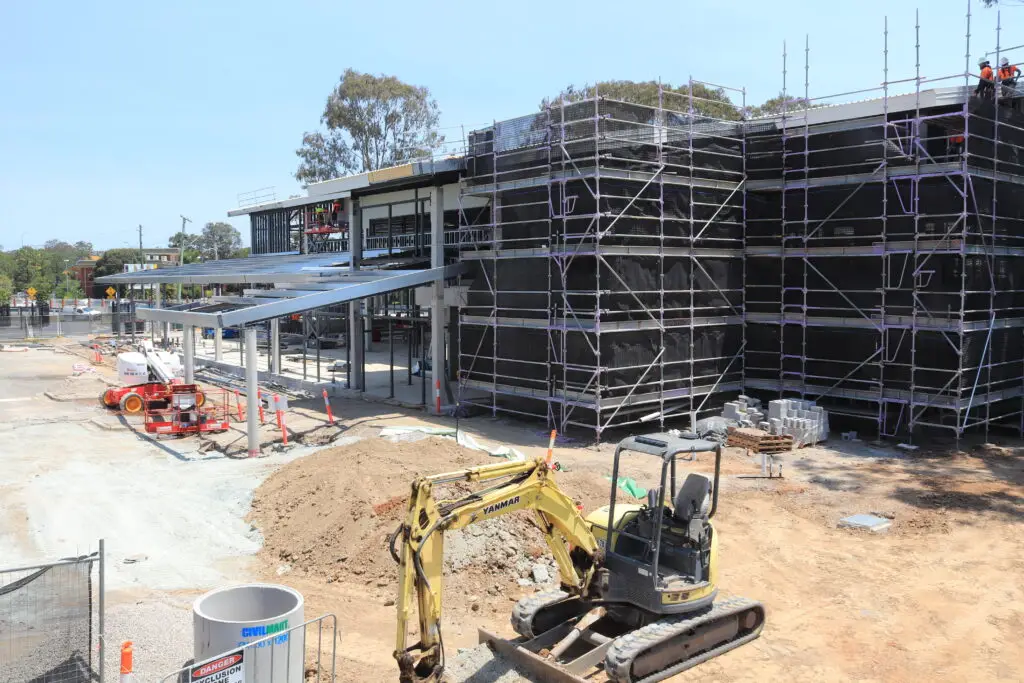

Accurate construction progress reporting is essential for keeping clients, project managers, developers and other stakeholders informed throughout a construction project.
Traditional progress reports typically rely on written updates, schedules, percentages and photographs taken during site visits. While these methods remain important, construction time-lapse cameras can add another valuable layer of information: a continuous visual record of the project.
Instead of relying on occasional photographs, a permanently installed construction camera can capture images throughout every working day.
Project teams can then use those images to monitor progress, compare different stages of construction and provide clearer visual updates to stakeholders.
Why Visual Construction Progress Reporting Matters
Construction projects can be difficult to explain using written reports alone.
A report might state that structural works are 60% complete or that a particular section of a project has progressed significantly during the month.
A photograph can make that progress immediately visible.
This is particularly useful when reporting to people who aren’t regularly on site.
Clients, investors, senior management and other stakeholders can see the project developing without needing detailed knowledge of construction terminology.
Create a Consistent Photographic Record
One of the biggest limitations of conventional construction photography is inconsistency.
Photographs may be taken from different positions, at different times and by different people.
A permanently installed construction time-lapse camera solves this problem.
The camera repeatedly photographs the project from the same position and perspective.
This creates a chronological sequence showing the project progressing within the same frame.
For progress reporting, that consistency makes comparisons much easier.
Compare This Month With Last Month
Consider a monthly construction report.
Rather than including only a current photograph, the project manager can compare imagery captured at different points during the project.
For example:
1 June → 1 July → 1 August → Current date
The differences become immediately apparent.
Earthworks may have progressed, concrete structures may have appeared, roofing may have been installed or landscaping may have commenced.
This provides a simple visual representation of construction progress.
Remote Access to Current Site Images
Another major advantage is the ability to access project imagery remotely.
Modern construction camera systems don’t require someone to physically retrieve images from the camera.
Systems developed by MotionLapse can combine high-resolution photography with remote connectivity and online camera management.
Images can be transmitted from the construction site and made available through an online portal.
This means authorised users can review project imagery from the office or while travelling.
For project managers responsible for multiple sites, remote visual access can be particularly valuable.
Give Stakeholders Their Own Access
Progress reporting doesn’t always have to involve creating and emailing a new report.
Selected stakeholders can potentially be provided with access to project imagery.
This gives clients and other authorised users the ability to check progress when it suits them.
Rather than contacting the project manager every time they want to see the latest construction activity, they can access recent imagery directly.
Access can also be useful for senior managers overseeing multiple projects from different locations.
Reduce the Reliance on Site Visits
Time-lapse cameras don’t replace physical inspections.
Engineers, project managers, certifiers and other professionals still need to attend construction sites when required.
However, not every question requires someone to drive to the site.
Sometimes the question is simply:
“What’s happening on the project today?”
A remotely accessible camera can provide a quick visual overview.
This may help project teams determine whether a physical site visit is required or provide context before they arrive.
Improve Monthly Client Reports
Professional photographs can significantly improve the presentation of monthly reports.
Instead of relying entirely on tables and written updates, a report can include carefully selected progress images.
These might show:
- overall site progress;
- completed milestones;
- structural changes;
- major construction activities;
- comparisons with previous months; and
- aerial views of the project.
This can make reports easier for clients and stakeholders to understand.
Add Drone Photography to Progress Reports
Fixed time-lapse cameras provide excellent consistency, but they only capture the project from one position.
For larger sites, aerial photography can provide valuable additional context.
Droneworxs Aerial Photography provides professional drone photography that can be scheduled throughout construction.
A drone can capture the entire project from above, making it easier to demonstrate changes in site layout, earthworks, buildings and surrounding infrastructure.
A monthly report might therefore include:
Fixed camera image — consistent ground-level project view.
Drone image — overall aerial project view.
Ground photograph — detailed image of an important milestone.
Together, these provide stakeholders with a much broader understanding of project progress.
Create Monthly Time-Lapse Videos
Progress reporting doesn’t have to be limited to still photographs.
Images captured throughout a month can also be combined into a short time-lapse sequence.
A video can show several weeks of construction activity in a matter of seconds.
This can be particularly effective during project meetings or stakeholder presentations.
Rather than clicking through dozens of photographs, viewers can watch the project develop before them.
Document Important Construction Milestones
Construction time-lapse cameras can also help document major project milestones.
Depending on the project, these may include:
- site establishment;
- excavation and earthworks;
- foundations;
- concrete pours;
- structural steel installation;
- crane operations;
- roofing;
- façade installation;
- internal construction;
- landscaping; and
- practical completion.
Maintaining photographs of these stages creates a valuable visual project history.
Better Communication With Non-Technical Stakeholders
Construction schedules and technical reports aren’t always easy for people outside the construction industry to interpret.
Visual information is different.
A developer, investor or client can look at two photographs taken one month apart and immediately understand that substantial work has occurred.
This makes time-lapse photography particularly useful when communicating with stakeholders who don’t require detailed technical information but still need to understand how the project is progressing.
Monitor Multiple Construction Projects
Remote visual monitoring becomes even more useful when an organisation has multiple projects underway.
Instead of viewing construction cameras as standalone devices, they can become part of a broader project monitoring system.
A project manager or senior executive can potentially check several construction sites remotely.
This can provide a quick overview before meetings, help prepare reports and allow management teams to stay connected with projects located across different regions.
Create a Historical Record for Future Reference
Construction progress imagery also retains value after the reporting period has finished.
Over a 12, 18 or 24-month project, thousands of photographs can create a detailed chronological record.
That imagery can later support:
- project case studies;
- capability statements;
- tender submissions;
- presentations;
- company websites;
- social media;
- staff training; and
- marketing campaigns.
Instead of the photographs being used once in a monthly report and forgotten, they become a permanent visual asset.
Turn the Entire Project Into a Final Time-Lapse Video
One of the biggest benefits comes at project completion.
The same photographs used for construction progress reporting can ultimately be transformed into a professionally edited time-lapse video.
Months or years of construction can be condensed into a short presentation showing the entire build from beginning to completion.
Drone photography and video can also be incorporated into the finished production.
This gives builders and developers a valuable marketing asset that can continue promoting the project long after construction has finished.
Improve Your Construction Progress Reporting
Construction Time Lapse Specialists provides long-term visual monitoring solutions for commercial, civil and infrastructure projects throughout Brisbane, the Gold Coast and Queensland.
Our services can combine high-resolution time-lapse cameras, remote online access, progress photography, professional drone photography and completed time-lapse videos.
Whether you’re managing one construction project or multiple sites, we can develop a visual monitoring solution tailored to your construction program and reporting requirements.
From the ground to the sky — we capture your entire construction journey.
Contact Construction Time Lapse Specialists today to discuss how time-lapse cameras can improve your construction progress reporting.