Key Takeaways
Good monitoring turns project evidence into timely, useful decisions. A clear framework helps teams see what is happening, who needs to act and whether an intervention worked.
- Set indicators that connect project objectives to measurable outcomes.
- Establish baselines, reporting periods, owners and escalation thresholds.
- Combine reliable site evidence with consistent data checks.
- Compare actual progress with milestones, forecasts and emerging risks.
- Record decisions and follow up to assess their effect.
What infrastructure project monitoring involves
Infrastructure project monitoring is the regular collection and review of evidence about a project’s delivery and performance. It helps teams understand whether work is progressing as planned, where conditions are changing and what needs attention. Used well, it supports decisions throughout delivery rather than simply describing what has already happened.
How monitoring differs from project control and evaluation
Monitoring tracks what is happening against agreed measures, such as progress, cost or quality. Project control uses that information to manage delivery, which may involve approving a change or assigning a corrective action. Evaluation is broader: it asks whether the project achieved its intended outcomes and what can be learned from the result. These activities overlap, but keeping their purposes distinct makes reports easier to interpret. A useful guide to monitoring and evaluation can help teams think through the different roles of evidence, oversight and review.
The distinction is practical: a monitoring report might flag that a milestone is slipping; control considers the response; evaluation later examines the wider consequences. Even outside construction, monitoring is used in quite different settings, including physician-led hormone therapy, a six-week board and train, and the Prime Performance Stack. Those examples have their own goals and measures, but they illustrate why teams should be clear about what they are tracking and what conclusion the evidence can support.
Which delivery stages and outcomes to track
The monitoring plan should follow the project through the stages that matter, from early planning and procurement to site delivery, commissioning and handover. At each stage, identify the outcomes that need attention and the evidence that will show whether they are being achieved. A consistent record makes it easier to understand how a decision or delay at one point affects later work.
For infrastructure programmes, the project context can also sit alongside wider asset and investment decisions. For instance, teams may consider property sale sequencing or EV charging installation costs as separate portfolio questions, while keeping the measures for a construction project focused on its own scope, delivery and outcomes. This separation helps prevent unrelated activity from muddying the project’s performance picture.
Who uses monitoring data and why
Project managers use monitoring data to identify issues and coordinate action; contractors use it to understand expectations and report progress; and owners, government clients and other stakeholders use it to assess delivery and accountability. The same evidence may serve different purposes, so the report should make its intended audience clear. A site team may need a prompt to investigate a work area, while a steering group may need a concise view of the implications for milestones and cost.
The most useful reporting is not simply the most detailed. It gives each reader enough context to understand what changed, why it matters and who is responsible for the next step. Agreeing those needs early can make monitoring more relevant and reduce repeated requests for information.
Set objectives and choose useful indicators
Indicators are useful when they help answer a project question, not just because they are easy to count. Start with the outcomes the project is expected to deliver, then decide what evidence can reasonably show progress towards them. A well-chosen set gives a balanced view without burying important signals in a long list of metrics.
Link project objectives to measurable outcomes
Translate each objective into an observable result, then specify how and when it will be measured. If an objective is to complete a package of works by an agreed date, define what counts as complete and which records confirm it. Where the outcome is less direct, use a combination of evidence and explain the limits of each measure. This keeps the monitoring plan tied to project intent rather than activity alone.
Some outcomes rely on choices made well before a site milestone. For each measure, identify the data source, reporting frequency and person who will interpret it. It is also worth stating what the indicator cannot prove; a completed task, for example, does not by itself establish that all downstream outcomes have been achieved.
Balance schedule, cost, quality and safety indicators
Schedule and cost measures show whether delivery is tracking against the agreed plan, while quality and safety indicators help show how the work is being carried out. The set should reflect the project’s risks and delivery model. A concise indicator register can make the intended balance visible to the whole team:
| Area | Example indicator | Evidence to review | Useful question |
|---|---|---|---|
| Schedule | Milestones achieved against plan | Programme updates and site records | Is work on the critical path progressing? |
| Cost | Forecast cost against approved budget | Cost reports and change records | What explains the current variance? |
| Quality | Inspections completed and issues resolved | Inspection and defect records | Are acceptance requirements being met? |
| Safety | Reported incidents and corrective actions | Site safety records | Are concerns being addressed promptly? |
These examples need project-specific definitions before they can be compared over time. Teams should agree how each measure is counted and who checks the underlying evidence; otherwise, similar-looking figures may mean different things across work packages.
Include environmental and community impacts
Environmental and community impacts should be considered alongside delivery measures, particularly where the project’s commitments or approvals require evidence over time. The relevant indicators will depend on the location, work and obligations in scope. Define what will be recorded, how often it will be reviewed and how a concern is referred to the appropriate project lead.
A short list of questions can help teams avoid treating these impacts as an afterthought:
- Which environmental or community commitments require ongoing evidence?
- What baseline or reference point will make change visible?
- Who reviews concerns and confirms any required follow-up?
- How will the team communicate relevant changes to affected stakeholders?
The answers should connect to the project’s actual obligations and engagement plan. Clear ownership makes it easier to act on evidence, while careful reporting avoids implying that a single indicator captures every effect on a community or environment.
Build a reliable monitoring framework
A monitoring framework sets out how evidence will be gathered, interpreted and acted on. It links the project’s objectives to baselines, targets, responsibilities and reporting routines. The framework need not be complicated, but it should be specific enough that different teams can apply it consistently.
Establish baselines, targets and reporting periods
A baseline records the starting point against which progress or change will be assessed. Targets describe the intended result, while reporting periods establish when evidence is reviewed. Together, these give the project a reference for discussing performance and explaining a variance.
Choose reporting intervals that match the pace and risk of the work. A major milestone may call for a different review rhythm from a routine work package. Record the source and date of the baseline, and document approved changes to targets so later reports do not compare current results with an outdated reference.
Assign data owners and verification responsibilities
Every important measure needs an owner responsible for supplying the evidence and a clear route for checking it. The person who enters a figure may not be the right person to verify it, especially when the information informs a payment, compliance report or decision about project performance. Responsibilities should be agreed with delivery partners and reflected in reporting procedures.
Records also need enough context to be understood later: what was measured, where, when and by whom. A practical project documentation guide can complement the monitoring framework by helping teams organise records and manage revisions. Consistent ownership and record-keeping make it easier to investigate questions without relying on memory or isolated messages.
Set thresholds for escalating issues
Escalation thresholds clarify when a variance needs attention beyond routine reporting. They might relate to a missed milestone, a cost movement, an unresolved quality issue or a risk that has changed in significance. Set them in a way that reflects the project’s governance and decision rights, rather than applying one arbitrary trigger to every issue.
The framework should state who receives an escalation, what information accompanies it and how quickly a response is expected. Where the issue involves an external obligation, connect the route to the appropriate compliance and approval process. A threshold is useful only if people understand it and know what to do when it is reached.
Collect and manage project data
Monitoring depends on evidence that is timely enough to support a decision and dependable enough to trust. Projects may draw on inspections, contractor reports, photographs, programme updates and, where suitable, sensor readings. The collection method should suit the question being asked, the site conditions and the level of assurance required.
Combine site inspections, contractor reports and sensor data
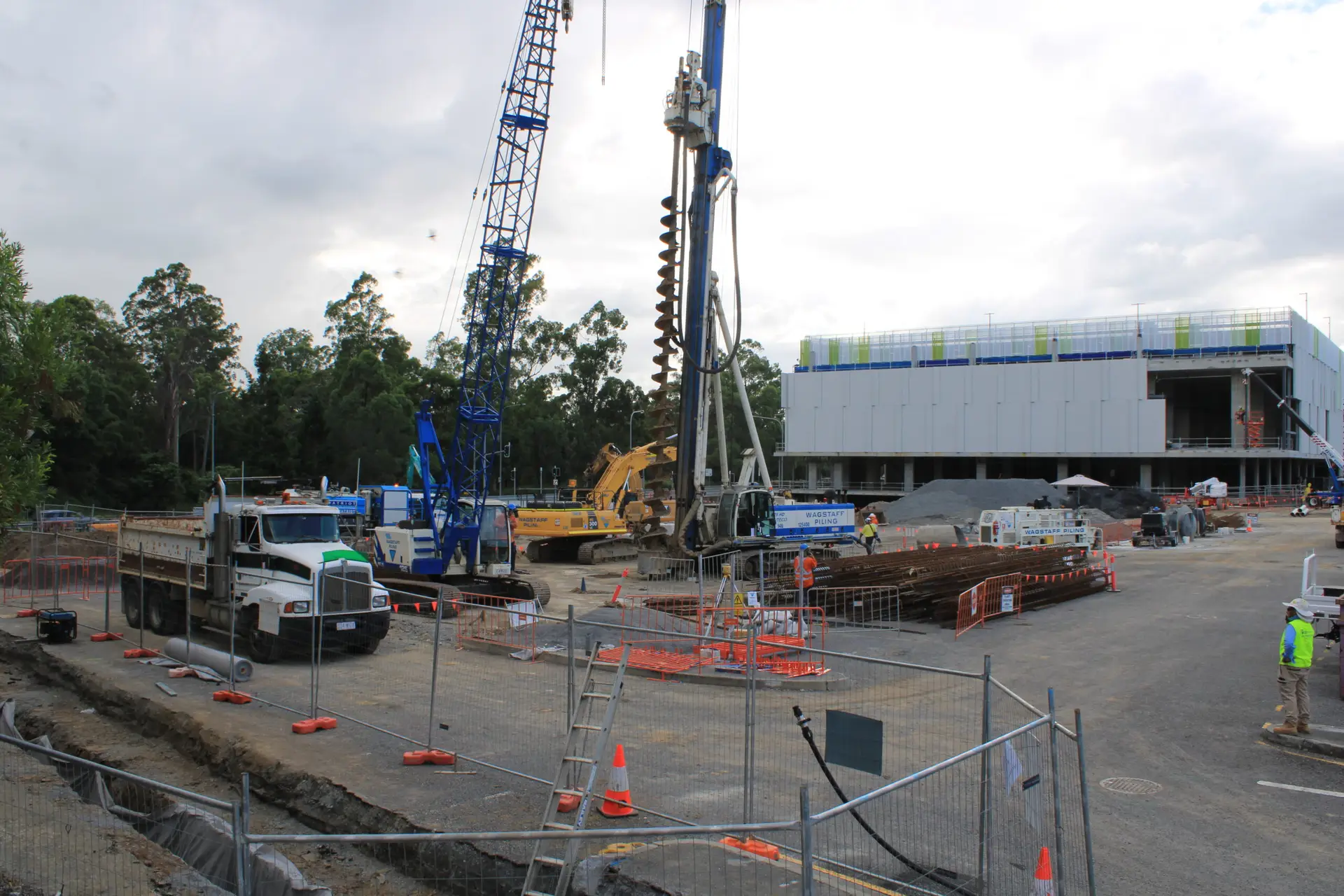
Different sources reveal different aspects of delivery. An inspection can provide direct observations, a contractor report can explain work completed and constraints, and a sensor may record a condition over time. Bringing these together helps build a fuller picture, but it does not remove the need to understand how each source was produced.
Construction Time Lapse Specialists provides construction time-lapse cameras and photography, including 4K camera solutions, for projects across Brisbane and Queensland. Visual records can support progress communication and reporting, but they should sit alongside other project evidence rather than being treated as a substitute for inspection or professional judgement. Teams can use a construction site monitoring guide to consider which methods suit their risks and reporting needs.
Use digital platforms and digital twins where they add value
Digital tools can make project information easier to share and review when they fit the established workflow. A digital twin may be useful where the project has a clear purpose for connecting a digital representation with site information; it is not automatically necessary for every monitoring task. Before adopting a platform, identify what decision it is meant to support and how information will be kept current.
Remote visual records can also help stakeholders review progress between site visits. Construction Time Lapse Specialists offers time-lapse camera installations and secure remote portal access for viewing site progress. If visual evidence is part of the monitoring approach, remote progress monitoring should still be planned around consistent capture, meaningful milestones and follow-up by people with the right site context.
Check data quality, consistency and access controls
Before a report is circulated, check whether the underlying information is complete, current and comparable with earlier reporting periods. Missing dates, inconsistent units or changes in definitions can make a trend misleading. A simple quality check should confirm where the data came from, whether it has been reviewed and whether any limitations need to be noted.
Access controls matter too. Project information may include records that should only be available to authorised people, so define who can view, edit and distribute it. Keep a clear version history for important records and correct errors transparently. Good data management protects the usefulness of monitoring over the whole project lifecycle.
Monitor risks, changes and performance
Monitoring becomes more valuable when it helps a team notice a developing issue early enough to respond. That requires looking beyond a single status figure to the pattern behind it: what changed, what depends on it and what may happen next. Regular review also gives teams a disciplined way to update assumptions as delivery conditions evolve.
Identify early warning signs of delays and cost overruns
Early warning signs can include repeated slippage in linked activities, unresolved approvals, missed information dates or cost forecasts moving away from the approved position. One indicator rarely tells the whole story, so compare related evidence and speak with the people closest to the work. The aim is to investigate a potential problem before it becomes an accepted outcome.
A brief review can help structure that investigation:
- Confirm the signal against the original baseline and latest report.
- Ask the relevant delivery lead what changed and when.
- Check dependencies that could amplify the impact.
- Record the response, owner and date for follow-up.
These steps help distinguish a temporary fluctuation from a genuine emerging risk. They also provide a record of what the team knew and how it responded, which is valuable when forecasts or decisions are later reviewed.
Track scope changes, dependencies and emerging risks
Changes to scope can affect cost, schedule, quality expectations and the work of other parties. Record the reason for each proposed change, its status and the impact assessment before treating it as part of the current plan. Dependencies deserve similar attention: a delayed approval or access requirement can affect several activities even when the individual work packages appear healthy.
Risk reviews should revisit assumptions rather than simply carry forward an unchanged register. Ask whether a risk is more likely, more consequential or differently managed than before. Clear change records and assigned owners help teams understand which version of the plan is being monitored and why.
Compare actual progress with forecasts and milestones
A forecast offers a view of likely future performance based on current evidence and assumptions; it is not a guarantee. Compare actual progress with both the baseline and the latest forecast, and make clear which comparison a report is showing. This helps decision-makers see whether an apparent variance is new, already anticipated or still uncertain.
Visual monitoring can add context to these comparisons when imagery is captured consistently. Construction Time Lapse Specialists also provides drone imaging and high-resolution photography for project visual records. Images can help stakeholders review visible changes over time, while milestone definitions and project records remain essential for assessing what the evidence means.
Turn monitoring results into better decisions
Monitoring only earns its place when the information reaches someone able to use it. Reports should make the status, issue and required decision easy to find, then provide enough context to support a sound response. A clear record of decisions also helps the project learn whether its actions made a difference.
Present clear dashboards and concise status reports
A dashboard can summarise key indicators, but it should not flatten important differences into a single traffic-light status. Show the reporting date, baseline or target, current position and any material caveat. A concise narrative can then explain what changed and what decision or follow-up is needed.
Tailor the level of detail to the audience without changing the underlying definitions. Site teams may need specific work-package information; senior stakeholders may need the implications for milestones, cost and risk. Consistent formats make it easier to compare periods and spot recurring issues.
Investigate variances before choosing corrective action
A variance is a prompt to investigate, not an instruction to apply a predetermined fix. Check the source data, talk to the relevant people and consider whether a dependency, change or assumption explains the difference. Then assess available responses against their effect on the wider project, including any trade-offs for quality, safety or stakeholder commitments.
That discipline helps avoid reacting to a misleading figure or treating the visible symptom as the cause. Monitoring can support a decision, but accountability for choosing and approving an action should remain with the people authorised to do so.
Record decisions and follow up on their impact
Record the decision, its rationale, the responsible person and the date it should be reviewed. When the follow-up comes due, compare the expected effect with what actually happened and update the forecast or risk assessment if needed. This closes the loop between evidence and action instead of leaving a report as a snapshot.
Over time, a reliable decision record can reveal which responses helped and where assumptions repeatedly proved wrong. That learning can improve future monitoring plans, reporting routines and project delivery without overstating what any single metric can show.
Conclusion
Effective infrastructure project monitoring is a steady practice of agreeing what matters, gathering dependable evidence and using it to guide accountable decisions. Keep the framework proportionate, review it as conditions change and make visual records one part of a wider evidence base; to discuss camera and photography options for a project, contact the team.