
Key Takeaways
A useful project photo record starts with a clear purpose and a plan that fits the build. Consistent viewpoints, safe access and organised delivery make the images easier to use later.
- Decide who needs the images and what decisions or updates they should support.
- Schedule coverage around the construction programme and important milestones.
- Combine fixed-camera, ground-level or aerial coverage where each adds value.
- Agree on site access, safety, viewpoints and delivery expectations before work begins.
- Label, review and store images so they remain useful for reporting, handover and approved marketing.
Set clear goals for your project photography
Before arranging a shoot or installing a camera, decide what the visual record needs to do. A clear purpose helps shape the frequency, viewpoints and formats that will be useful to the project team. For construction progress photography brisbane projects, the right plan depends on the people who will use the images and the decisions they need to make.
Track construction milestones and progress
A sequence of images can help teams see how work changes from one stage to the next. Decide which milestones matter to the programme, then record them with enough context to show what has changed and when. This is more useful than a collection of unrelated images, particularly when people reviewing the project were not on site that day.
Create a visual record for clients and stakeholders
Stakeholders may need a straightforward view of progress without visiting the site. Agree on what should be visible, how often updates are needed and who will receive them. A concise visual record gives project conversations a shared reference point; it can support updates without replacing formal reporting or direct communication.
Support marketing, reporting and project handover
The same image may be useful for a progress report, a handover record or, once approved, a project case study. It helps to define those uses early, because they affect framing, image quality and permissions. For teams building a broader communications plan, a blogging business guide offers a separate perspective on planning content for an audience; here, the key is to collect images that genuinely serve the project’s approved purposes.
Match the coverage to your project type and scale
A compact fit-out and a long-running civil project will not need the same frequency or range of viewpoints. Consider the project’s duration, footprint, access constraints and reporting needs before choosing a coverage plan. Broader construction photography guidance is available in this Brisbane project guide, which addresses goals, viewpoints, scheduling, access and safety.
Plan coverage around your construction programme
A photography plan works best when it follows the construction programme rather than sitting alongside it as a separate task. Discuss the schedule with the people managing site activity and identify where access or changing work fronts could affect coverage. Construction Time Lapse Specialists provides construction time-lapse cameras and photography for projects across Brisbane and Queensland, with remote monitoring and 4K clarity described in its service information.
Choose a photography schedule that suits the build
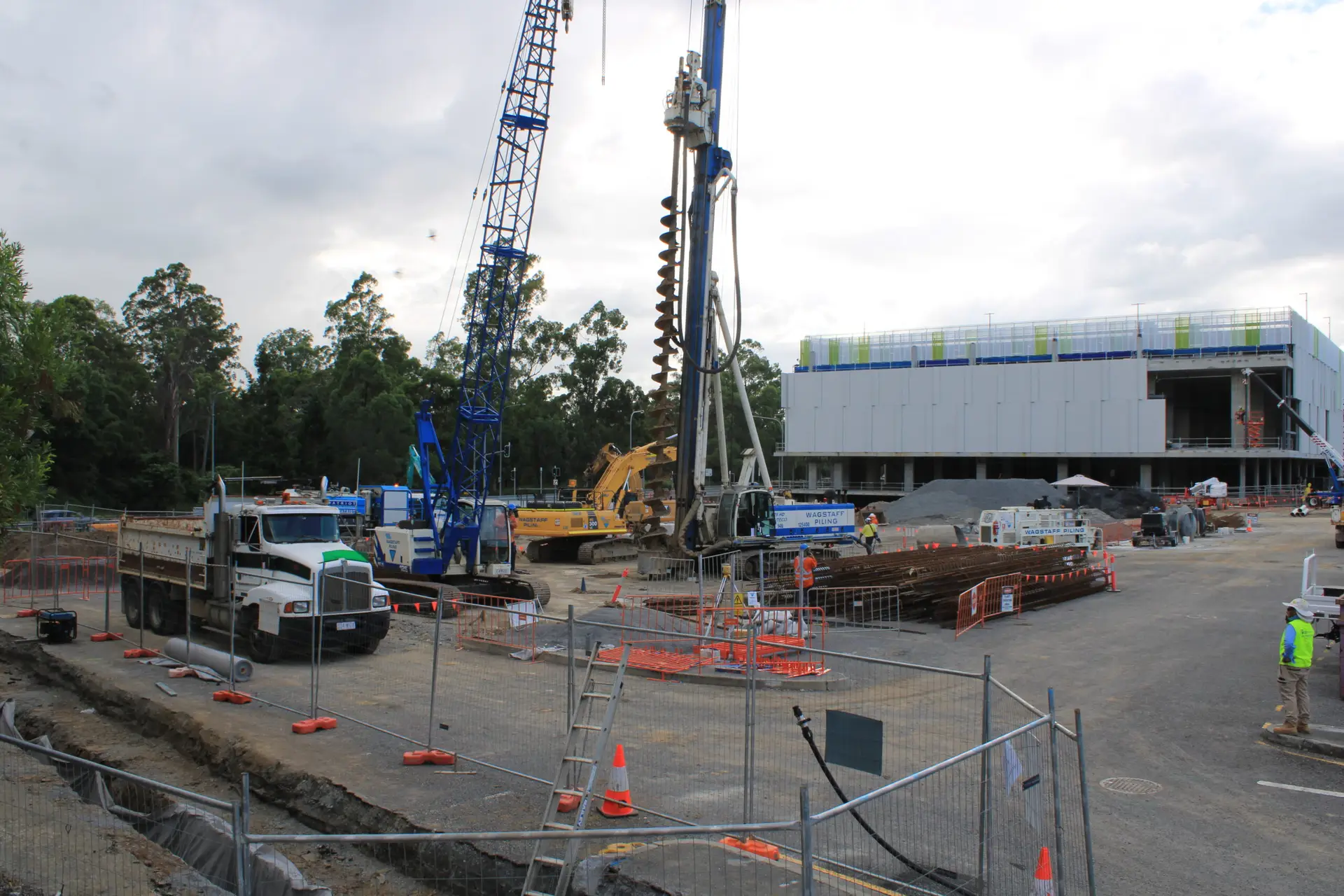
Set a capture rhythm that reflects how quickly the site changes and how often stakeholders need updates. A long interval may suit a steady programme, while a faster pace can be more useful during active phases. For a fixed-camera setup, think through placement and capture intervals alongside project duration; the camera setup guide covers those planning considerations.
A simple schedule can help the team compare the level of coverage with the work underway:
| Project phase | Useful coverage focus | Planning consideration |
|---|---|---|
| Site establishment | Access, boundaries and initial conditions | Confirm approved camera positions |
| Groundworks | Changing excavation and site layout | Check that the view remains unobstructed |
| Structure | Visible progress across key work fronts | Coordinate with lifts and temporary works |
| Finishes and handover | Completed areas and final context | Confirm permissions and intended use |
Use the table as a starting point, not a fixed template. Adjust the frequency when the programme shifts or a stage is likely to change quickly, and make sure the capture plan still reflects what the project team needs to see.
Identify key milestones worth documenting
Milestones are more valuable when the team agrees in advance what makes each one worth recording. That might be a significant change in the site layout, a major construction stage or a point where work will soon be covered. Keep the list selective: a few well-chosen moments are easier to review and explain than an unstructured stream of images.
Coordinate access with site managers and contractors
A camera position or photography visit must fit the site’s access rules and active work plan. Confirm who approves entry, which areas are accessible and whether other contractors need notice. Other fields also have their own access and coordination needs; for example, this guide to event transport planning deals with timing and coordination in a very different setting, while construction coverage should be arranged with the site team.
Allow for Brisbane’s weather and seasonal conditions
Weather can affect visibility, access and the practical timing of site visits. Allow room in the schedule for heavy rain, poor light or a change to planned work, and review any fixed-camera position for exposure and obstruction as the site changes. A local climate can influence planning in other practical contexts too, as this Brisbane flooring guide notes, though construction photography calls for site-specific checks rather than assumptions about conditions.
Choose the right photography approach
The right approach depends on what needs to be recorded, how often the site changes and which perspectives are useful. Regular visits can document selected moments, while a fixed camera can capture progress over a longer period; these methods can also complement each other. Construction Time Lapse Specialists specialises in construction time-lapse photography and camera installations, so it is one option to consider when long-term camera coverage matches the project’s requirements.
Compare regular site visits with fixed-camera timelapse
Regular site visits allow a photographer to respond to the work in front of them and capture particular details. A fixed-camera arrangement can provide a consistent view over time, subject to suitable placement and site conditions. For a project that needs both planned milestone images and a continuous perspective, compare the purpose of each method before deciding what to commission.
Decide when aerial and ground-level images add value
Ground-level photographs can show detail, materials and the working context from a person’s perspective. Aerial imagery may help explain the scale or layout of a site when it is safe, permitted and relevant. A construction photography service overview describes combining fixed time-lapse cameras, ground photography and drone imagery for project records; choose only the perspectives that answer a real project need.
Check equipment needs for long-term site coverage
Long-term coverage requires more than choosing a camera. Review the proposed mounting position, power and connectivity arrangements, weather exposure, security and how the team will access the images. If you are comparing equipment in another context, a Camden camera shop guide discusses checking compatibility and support; for a construction site, confirm the specific installation and operating requirements with the relevant provider.
Assess a provider’s construction experience and safety practices
Ask how the provider plans access, coordinates with site managers and works around changing site conditions. Clarify who handles installation, what approvals are needed and how safety requirements will be followed. For an additional view of professional project imagery, see this construction photography resource; assess any provider against your own scope, site rules and documented requirements.
Capture progress safely and consistently
Reliable coverage depends on repeatability as much as image quality. Agree on where photographs will be taken, how the team will gain access and what to do when work changes the available view. Construction Time Lapse Specialists describes secure remote portal access for viewing site progress, while every on-site activity still needs to follow the project’s own safety procedures.
Agree on viewpoints and repeatable camera positions
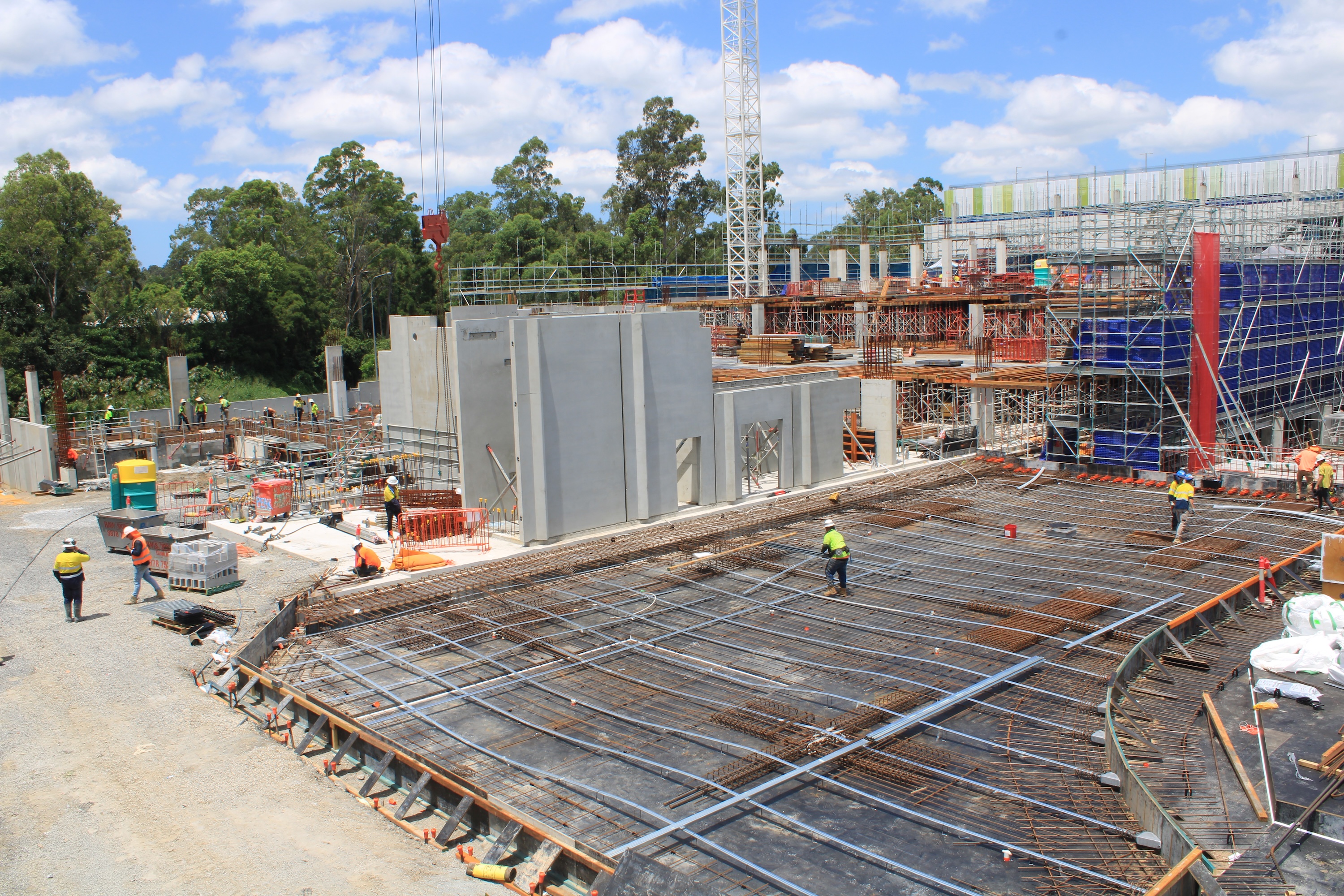
Choose viewpoints that will remain useful as the site develops, and record enough detail to recreate them for later visits. If a camera must move because of construction activity, document the change so reviewers understand why the view differs. A repeatable angle makes it easier to compare stages without suggesting that every image must look identical.
Follow site induction, PPE and access requirements
Photography does not override site controls. Confirm induction, personal protective equipment, escort requirements and restricted areas before any visit, and keep to the instructions of the site team. A short pre-visit check can prevent avoidable disruption:
- Confirm the approved entry point and arrival time.
- Complete induction and wear the required PPE.
- Check which work areas are accessible on the day.
- Identify who to contact if conditions change.
These steps keep the photography activity aligned with site operations. They also make the expectations clear for visiting personnel and help the team reschedule safely when access cannot be provided.
Record context as well as close-up construction details
Close views can explain a detail, but context helps viewers understand where it sits within the wider work. Include enough of the surrounding area to orient the reader, particularly when images will be reviewed away from the site. A balanced record can pair a broad view with selected details rather than asking one image to do both jobs.
Manage changing site conditions and restricted areas
Work fronts, temporary barriers and access routes can change between visits. Recheck the planned route and viewpoint rather than relying on an earlier arrangement, and do not enter a restricted area to preserve a shot. Privacy and safeguarding also vary by setting; a guide to teen residential care illustrates how sensitive environments require specific considerations, while construction teams should follow their own applicable policies and consent processes.
Organise, review and deliver the images
Images become more useful when the team can find the right ones and understand what they show. Agree on file naming, delivery timing and review responsibilities before coverage begins, then keep those arrangements current as the programme changes. This matters whether the images are used for updates, internal records or later handover.
Set expectations for editing and delivery frequency
Confirm whether delivery will be a selection of edited images, an ongoing stream of captures or another agreed format. Set a realistic cadence and identify who will receive the files, particularly when several project stakeholders need different updates. Clear expectations help avoid a mismatch between the material collected and the material the team can use.
Keep files labelled by date, location and milestone
A consistent file structure makes a visual archive easier to search. Use a naming approach that records the date and, where useful, the location or milestone, and keep a simple record of viewpoint changes. Avoid relying on someone’s memory to explain an image months after it was captured.
Review coverage for gaps before key stages pass
A brief review at regular intervals can reveal missing viewpoints, unclear labels or milestones that were not captured. Check upcoming programme stages as well as the images already received, so there is time to arrange access before work moves on. The photo records guide also covers schedules, repeatable viewpoints and organising files for project use.
Confirm image ownership, usage rights and storage
Set out who owns or may use the images, how long they will be retained and where the files will be stored. Confirm whether images can be shared externally and whether any subjects, neighbouring properties or sensitive information need special handling. These decisions are easier to settle at the start than after an image has been circulated.
Make the photography work harder for your project
Once the images are organised, decide how they can serve the project beyond simply showing that work took place. A useful archive can support regular communication, reporting and handover, while approved selections may later contribute to marketing. Keep each use tied to the permissions and purpose agreed for the coverage.
Share progress updates with clients and stakeholders
Choose a small, relevant set of images for each update and add concise context: the date, the area shown and the milestone or change. This makes it easier for readers to interpret the picture without overstating what it proves. Consistency in selection and captions can make updates clearer over the life of the project.
Build a project archive for reporting and handover
A well-labelled archive gives the team a record that can be revisited after a stage is complete. Group files by date, location or milestone, and keep the naming method consistent so the archive remains understandable to people who join later. A reference on construction documentation covers planning, image organisation and storage for project records.
Repurpose approved images for case studies and marketing
Images may be useful for a case study or project summary, but publication should be a deliberate choice rather than an automatic by-product of site coverage. Check approvals, confirm the project details are accurate and select images that tell a coherent story. Broader timelapse benefits include documenting project stages, communicating progress and creating marketing content; the specific use still depends on permissions and the material available.
Protect privacy and obtain consent where needed
Review images for identifiable people, sensitive site details and information that should not be shared. Follow the project’s consent and approval process before publishing or circulating material beyond the intended audience. A clear review step protects privacy while keeping the visual record useful to those who are authorised to see it.
Conclusion
Construction progress photography is most effective when its purpose, schedule, viewpoints, safety arrangements and file management are planned together. If you are considering time-lapse cameras or photography for a Brisbane or Queensland project, Construction Time Lapse Specialists provides construction time-lapse cameras and photography, and you can discuss your project to explore a suitable approach.