Key Takeaways
Construction progress monitoring works best when teams agree what to measure, collect evidence consistently and use findings to make timely decisions.
- Compare completed work with a clear, measurable baseline.
- Combine site observations with visual records suited to the project.
- Set responsibilities and reporting intervals before work gets underway.
- Verify information before using it to assess schedule or progress.
- Turn exceptions into specific actions, owners and follow-up dates.
What construction progress monitoring involves
Construction progress monitoring is the regular process of recording what has happened on site and comparing it with the intended scope and programme. It gives the project team a shared view of completed work, work under way and emerging constraints. The method can be straightforward, but it needs clear criteria and dependable evidence to be useful.
How progress monitoring differs from schedule tracking
A schedule sets out when activities are expected to happen; monitoring establishes what is actually happening in the field. The two views are most useful together: a task may be underway on the planned date, yet its physical completion may still be behind what the next activity requires. A useful review therefore considers both dates and the state of the work, rather than treating a schedule update as proof of progress. For a broader overview of construction progress monitoring, teams can also consider how verified field information supports schedule and stakeholder decisions.
Which project activities and deliverables to measure
Choose measurable work packages that reflect how the project is being delivered, such as excavation, structural work, services installation or completed areas ready for inspection. Define what counts as complete for each package, including any handover evidence or approval needed, so that different people do not apply different thresholds. A progress monitoring guide can help teams think through criteria, responsibilities and programme analysis when setting up this approach.
Who contributes data and reviews progress
Site supervisors and trade leads can report what is complete, what remains and what is holding work up; project controls staff can relate those updates to the programme. The project manager then reviews exceptions and agrees who needs to act. Clear ownership matters because a report without a named reviewer can become a record that nobody uses.
When to collect and report information
The right interval depends on the pace and risk of the work. Daily updates may suit fast-moving or tightly sequenced activities, while a weekly review can give the wider team time to confirm progress and address constraints. Keep the capture cycle regular, and set a separate escalation route for issues that cannot wait until the next report.
Why construction progress monitoring matters
Good monitoring helps project teams make decisions from observed conditions rather than memory or assumption. It can reveal where actual work is diverging from the plan, provide a basis for discussion and make changes easier to explain. Its value comes not just from collecting information, but from giving the right people a timely, consistent view of it.
Spotting delays before they affect key milestones
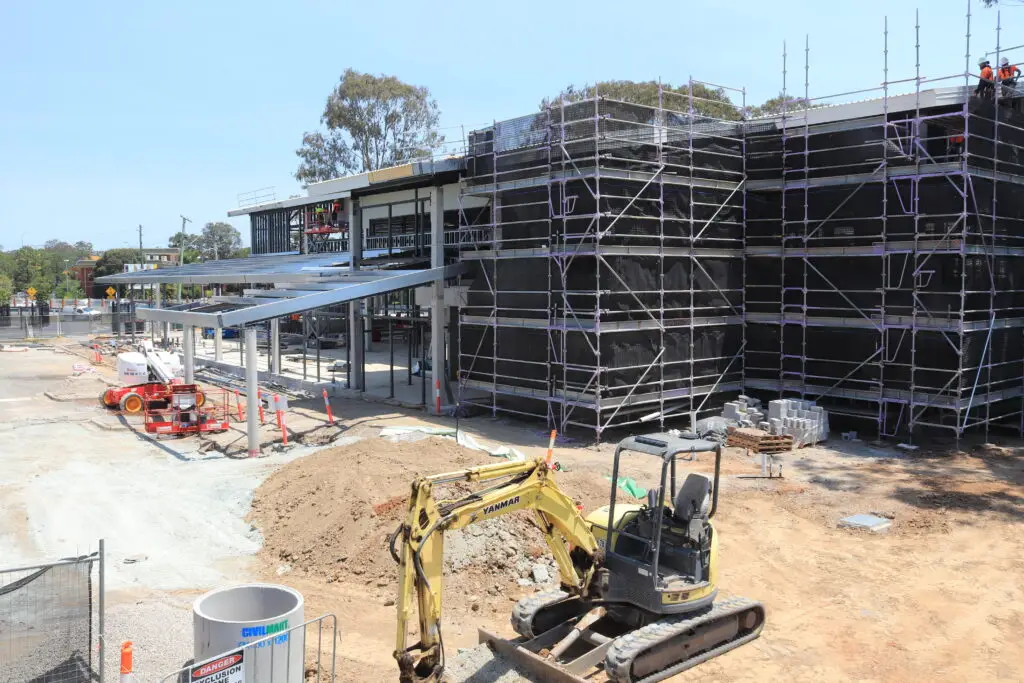
A single missed date may be manageable; a series of small slippages can affect follow-on trades and key milestones. Regular checks help teams notice changes early enough to investigate the cause, whether it is access, sequencing, materials or an incomplete handover. The point is not to treat every variance as a crisis, but to identify which ones need attention now.
Improving cost, resource and programme decisions
Progress information can help a team decide whether to resequence work, adjust resource plans or review an upcoming commitment. It does not replace cost control or procurement records, but it gives those conversations a clearer account of what is happening on site. Evidence before assumptions is a useful principle when deciding whether a reported variance calls for action.
Keeping clients, contractors and subcontractors aligned
Different parties often see different parts of a project. A shared update, supported by clear evidence and agreed definitions, can reduce confusion about what is complete and what needs coordination next. When reporting a concern, state the affected work, its likely consequence and the person responsible for follow-up; this makes the update more useful than a general warning.
Creating a reliable record of project performance
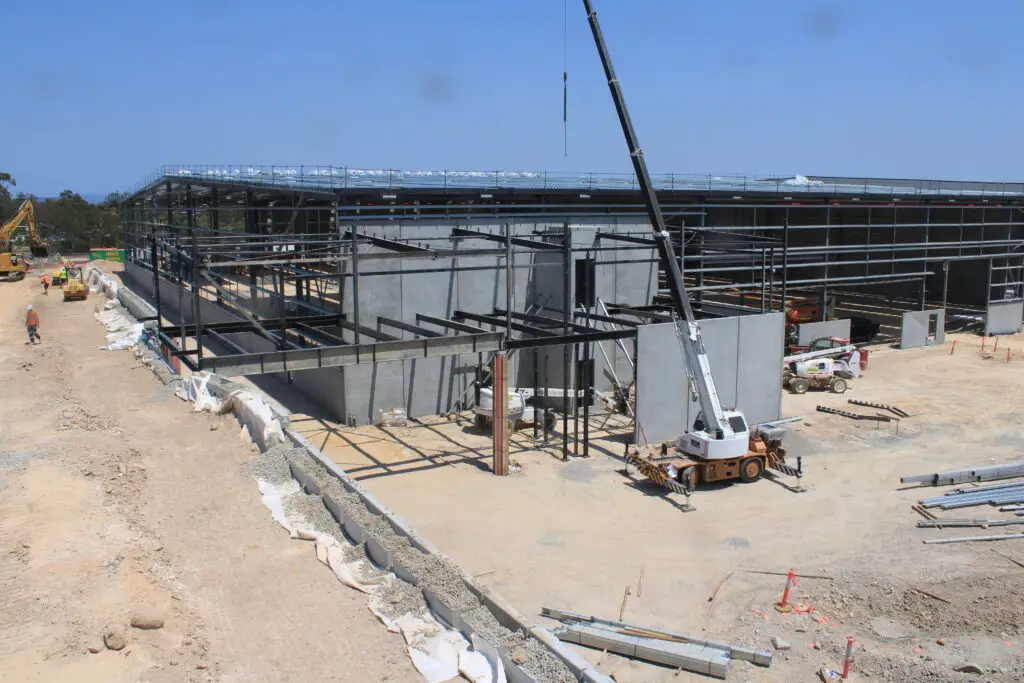
Consistent records help teams trace how site conditions and work have changed over time. That record can support project reporting, discussions about progress and the explanation of decisions, provided it is dated, organised and tied to a location or work package. A time-stamped image is most useful when the team can identify what it shows and relate it to the relevant part of the programme.
How to choose monitoring methods
Monitoring methods should fit the work, the site and the decisions the project team needs to make. A supervisor’s inspection can explain context that an image cannot, while visual records can make changes easier to review over time. Many projects use a blend, with the choice guided by access, risk, scale and reporting needs.
Site inspections and supervisor updates
Site inspections provide direct observation and an opportunity to ask questions about work that is incomplete or constrained. Supervisor updates add operational context, including the sequence of work and factors affecting progress. Record observations against agreed work packages, and make clear when an item needs further verification rather than presenting an initial observation as a confirmed finding.
Time-stamped photos and video
A repeatable view can help people compare site conditions from one reporting period to another. Construction Time Lapse Specialists provides 4K time-lapse cameras and photography, with remote monitoring and expert support, for projects across Brisbane and Queensland. Visual records work best when capture points and timing are planned in advance; remote progress monitoring also describes how regular imagery can be reviewed alongside project milestones. Teams looking for a dedicated camera service can view camera options.
Drones, laser scanning and reality capture
Aerial imagery can show broad site changes and areas that are difficult to see from a fixed viewpoint. Construction Time Lapse Specialists also provides drone imaging, which can complement ground-level photographs and site inspections. For aerial capture, plan safe access and repeatable viewpoints, and consider the limits of imagery before using it to judge quantities or confirm work that cannot be seen clearly. Laser scanning and other reality-capture methods may suit projects that need a different level of spatial detail, subject to the project team’s requirements and validation process.
BIM models and digital progress platforms
Digital platforms can bring programme information, models, site notes and visual records into a more accessible review process, depending on the tools selected. They are not a substitute for agreeing definitions or checking source information. Where a model is part of the workflow, decide how the team will identify completed work and who will update or approve the record; otherwise the digital view may not reflect current site conditions.
How to build a reliable monitoring process
A dependable process begins before the first report is due. Agree the baseline, the way work will be measured and the people responsible for each step. Then make verification and follow-up part of the routine, rather than treating them as optional tasks when a problem appears.
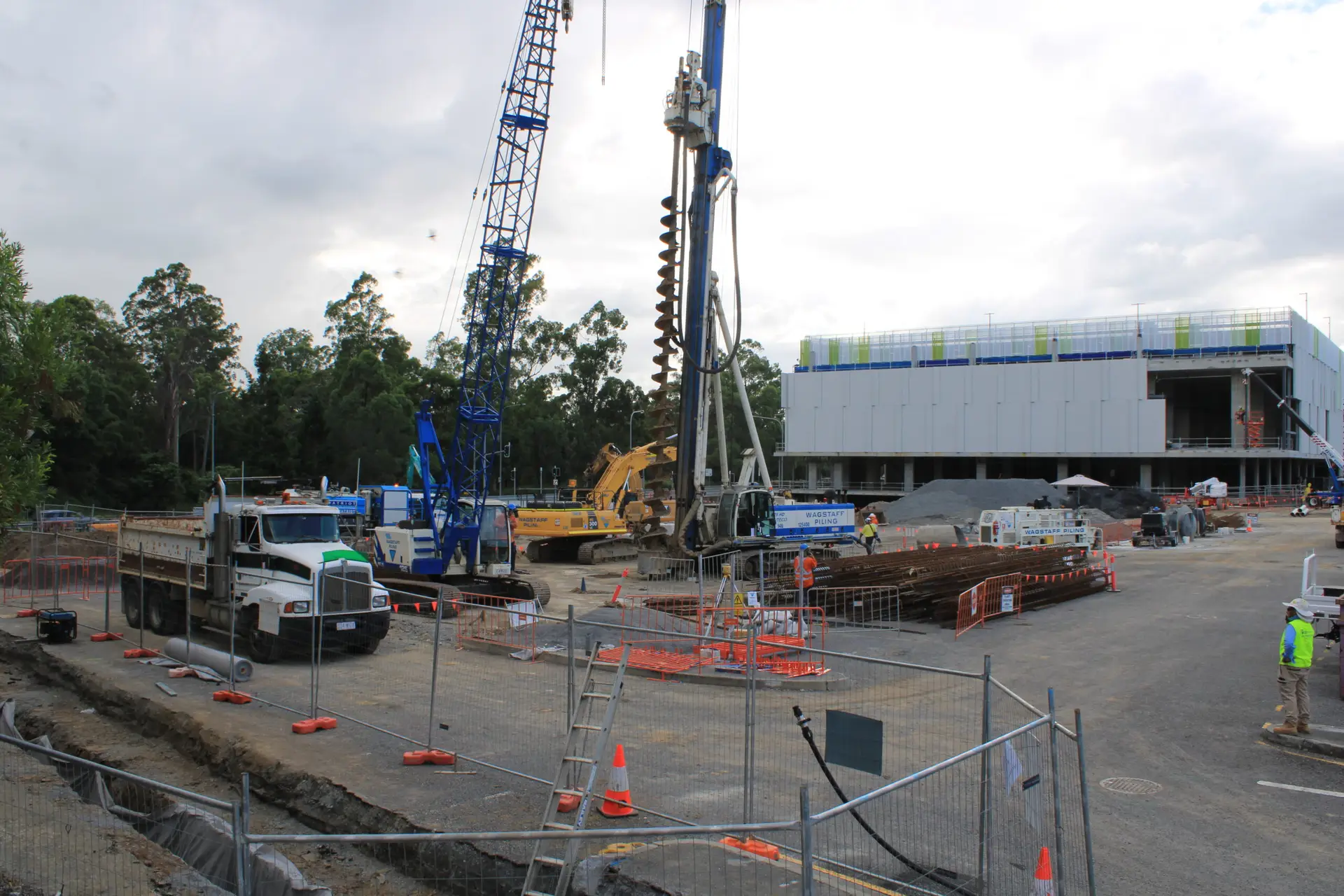
Set a baseline with measurable work packages
Break the scope into work packages that can be observed and assessed consistently. For each one, record the planned timing, the evidence that will demonstrate completion and any dependencies that could affect the next activity. A baseline should be specific enough to support comparison but practical enough for site teams to maintain as the work changes.
Agree on data owners, capture frequency and standards
Assign a person to capture information, another to review it where appropriate, and a clear route for resolving gaps. A simple responsibility plan can make the hand-offs explicit; for example, it can specify:
- Who records progress for each work package.
- When updates and visual captures are due.
- What evidence and naming conventions to use.
- Who verifies exceptions and assigns follow-up actions.
Keep these arrangements consistent across trades, then adjust them when the site sequence or reporting needs change. A known routine is easier to maintain than a detailed process that nobody can follow during a busy shift.
Verify site data before comparing it with the plan
Before accepting an update, check that it relates to the right location and work package, is current and has enough evidence to support the stated status. If an estimate is uncertain, record that uncertainty and ask for clarification rather than forcing it into a precise percentage. This protects comparisons from false confidence and gives reviewers a clear basis for deciding what needs a closer look.
Turn progress reports into clear actions
A report should distinguish routine status from exceptions that need a decision. For each exception, state the issue, its effect on upcoming work, the action required, its owner and a due date. In this way, monitoring becomes part of project control: the next review can check whether the action was completed and whether the position has changed.
Which metrics and reports to use
Use a small set of measures that answers practical questions about delivery. The details will vary with the contract and project controls, but every figure should have a defined source and meaning. Pairing summary measures with field evidence helps the reader understand what is behind a variance.
Planned versus actual progress
Compare the planned status of each measurable work package with its verified site status at the reporting date. The comparison is meaningful only when the team has agreed what completion means and applies that definition consistently. Avoid relying on a single overall percentage if it hides important differences between areas or activities.
Schedule and milestone variance
Schedule variance shows how actual progress or dates differ from the agreed programme. A milestone review should identify the affected activity, the size of the variance and any linked work that may be exposed. The following table offers a straightforward way to connect a measure with its use in a report.
| Measure | What to record | Useful question |
|---|---|---|
| Work package status | Planned and verified completion | Which work is behind or ahead? |
| Milestone variance | Forecast and baseline dates | Is a key handover at risk? |
| Open constraints | Issue, owner and due date | What is preventing progress? |
| Evidence coverage | Location, date and record type | Can the status be checked? |
Read the measures together rather than in isolation. A milestone variance supported by a clearly identified constraint gives the team a more actionable picture than a date difference alone.
Labour, materials and equipment status
Resource information can help explain why planned work is not progressing, but it should be gathered only where it supports a decision. Record relevant shortages, access limitations or equipment constraints alongside the affected activity and the period involved. Teams should distinguish verified facts from forecasts so that a possible issue is not reported as an established cause.
Dashboards, visual evidence and exception reports
A dashboard can provide a quick overview, while photographs and concise exception notes show the detail behind selected items. Construction Time Lapse Specialists provides high-resolution photography as part of its visual monitoring services, supporting a visual record that can be used in project communication and reporting. Keep reports readable: surface changes, risks and decisions needed, then retain the supporting detail in an orderly project record.
Common challenges and how to address them
Monitoring can lose value when data is late, definitions differ or reports are separated from the work they describe. These problems are usually process issues as much as technology issues. A practical response is to simplify the capture routine, make verification visible and keep records connected to clear responsibilities.
Inconsistent or incomplete site data
Missing dates, vague locations and incomplete updates make comparisons difficult. Use common labels for areas and work packages, and check required fields before a report is submitted. If information is not available, identify the gap and the person who will close it rather than silently carrying an assumption forward.
Subjective progress estimates
Percentage estimates can vary between people, especially when no completion criteria are agreed. Define observable stages or deliverables for each package and use photographs, inspection notes or other relevant evidence to support the assessment. Where judgement remains necessary, identify who made it and what information informed it.
Disconnected tools and reporting workflows
When site notes, images and schedules sit in separate places, teams may spend time reconciling records instead of reviewing progress. Agree a simple filing and naming approach, and identify which record is authoritative for each kind of information. Reference material should also stay relevant to the decision at hand: video production planning, MicroGen DNA testing, Supreme Quilts Topper, car shipping companies and GTX K9 training belong to separate contexts, not a construction control workflow. The same discipline applies to project files: keep useful evidence findable, and avoid clutter that makes it harder to locate the current update.
Privacy, safety and access considerations
Set rules for where cameras and other capture equipment may be installed, who can access records and how long material should be retained. Follow site safety requirements when planning inspections or image capture, and check any relevant privacy obligations before recording people or sensitive areas. Remote views can support visibility, but they do not replace on-site supervision or professional judgement.
Make Site Progress Visible
For project teams that need a consistent visual record, Construction Time Lapse Specialists provides time-lapse cameras, drone imaging and high-resolution photography, with remote monitoring and expert support. Discuss the project requirements and the capture approach that best suits the site.
Conclusion
Construction progress monitoring is most useful when it combines a measurable baseline, reliable site evidence and a clear route from findings to action. Choose methods that suit the work, verify information before comparing it with the plan, and keep reporting focused on decisions that help the team deliver the next stage.