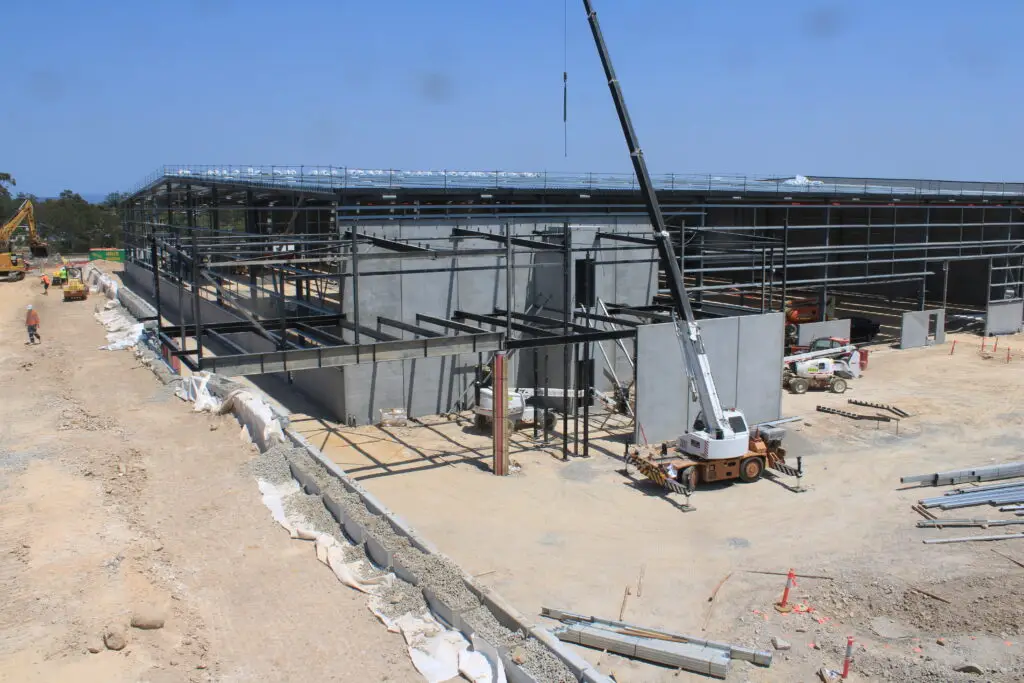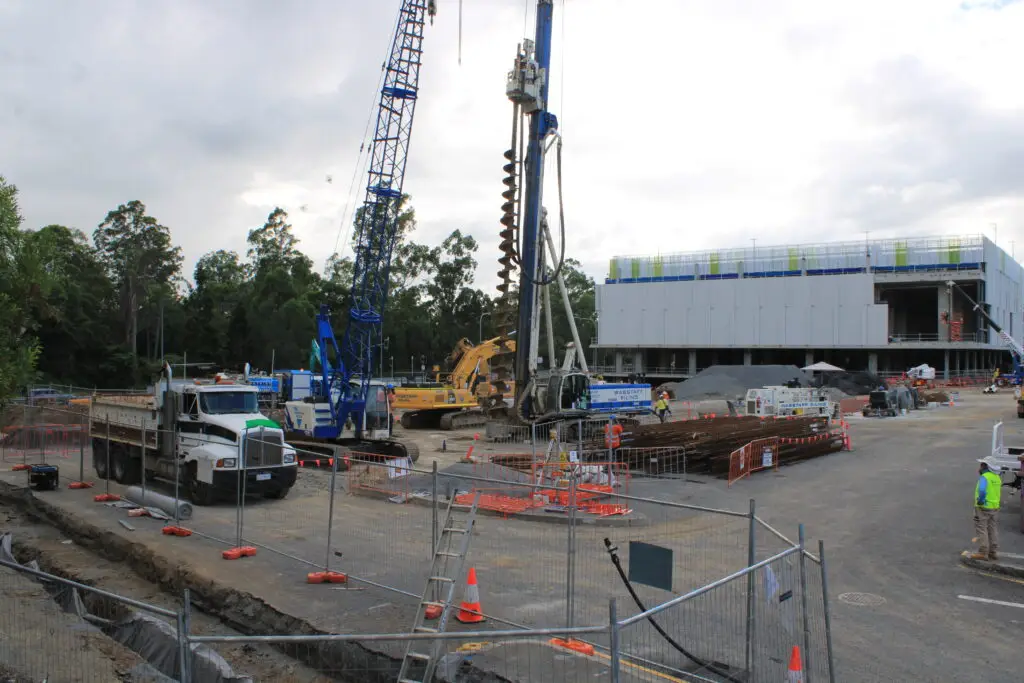

Project documentation is one of the most critical components of construction management. Whether you’re working on a small renovation or a large-scale infrastructure project, documenting your construction site helps ensure transparency and accountability. It also ensures accurate reporting throughout the project’s lifecycle. Among the most effective ways to achieve this is through construction photography, including time-lapse photography.
Construction photography, which includes time-lapse, drone, and ground-level photography, plays a vital role in tracking progress. It captures milestones and maintains a visual record of the entire project. Let’s dive into why construction photography should be an essential part of your project documentation.
1. Time-Lapse Photography: Capturing the Entire Project Journey
Time-lapse photography provides a detailed and continuous visual record of your construction project, from start to finish. By taking images at set intervals, time-lapse cameras compress weeks, months, or even years of work into a few minutes of video footage. This visual documentation serves multiple purposes:
- Tracking project progress: Time-lapse photography captures the growth of your project over time. It allows you to see key milestones and overall progress in a matter of seconds.
- Reporting to stakeholders: Time-lapse videos are an effective way to update clients, investors, and other stakeholders on the project’s status. It provides them with clear, visual evidence of progress.
- Proof of work: In cases of disputes, time-lapse footage serves as undeniable evidence of project development. This is crucial for contract compliance and legal matters.
Time-lapse photography is an invaluable tool for project managers, contractors, and owners alike.
2. Drone Photography: Aerial Documentation for Accurate Site Surveys
Drone photography adds a new dimension to construction project documentation. With the ability to capture high-resolution images and videos from the sky, drones offer an unparalleled perspective of your construction site. Drone documentation can:
- Monitor large areas: Whether your site spans acres or involves multiple buildings, drones provide a comprehensive overview. This can be difficult to achieve with traditional photography.
- Provide accurate surveys: Drones equipped with GPS technology can capture precise data. This data aids in creating 3D models and topographic maps, assisting in site planning, resource allocation, and progress tracking.
- Document project phases: Drones can take regular aerial shots of the site, providing visual proof of each construction phase, from excavation to the final build.
Drone photography is a powerful tool for accurately documenting site conditions, identifying potential issues, and ensuring everything is on track.
3. Ground-Level Photography: Detailed Records for Close-Up Documentation
While time-lapse and drone photography capture large-scale site activities, ground-level photography focuses on the details that can be missed from afar. This includes:
- Close-up shots of construction elements: Ground-level photography captures intricate details such as the installation of utilities, finishes, and structural components.
- Site conditions and worker safety: These images document the physical state of the site, including safety measures, the organization of materials, and worker activities.
- Before-and-after photos: Ground-level images can also serve as a visual record of changes made on-site. This includes completed tasks, changes in site conditions, or work done following inspections or audits.
This type of documentation helps in quality control and site inspections. It also provides clear visual evidence for client communication and project reporting.
4. Streamlining Communication and Transparency
Construction photography is an invaluable communication tool. By sharing high-quality images and videos of the site, you can keep clients, investors, and stakeholders informed about the project’s progress. Whether it’s through:
- Monthly reports with progress photos
- Live feeds or time-lapse videos embedded on private portals
- Drone flyover videos showcasing the site
Photography provides clear, visual evidence of ongoing work, which builds trust and ensures transparency throughout the project lifecycle. Clients are no longer left in the dark; they can see exactly what’s happening on-site in real-time.
5. Supporting Project Management and Decision Making
Accurate documentation plays a key role in project management. Having a visual record of the project from start to finish allows managers to:
- Monitor progress against timelines: By comparing images and videos over time, project managers can assess if the project is on schedule and adjust resources or timelines accordingly.
- Make informed decisions: When issues arise—whether it’s a delay, a safety concern, or a quality issue—having a visual record makes it easier to understand the root cause. This facilitates decisions that will keep the project on track.
- Enhance coordination between teams: Construction photography can help contractors, subcontractors, and site managers stay aligned. It provides a clear visual reference for the work being done.
With accurate project documentation, you can prevent costly mistakes, improve efficiency, and streamline communication across teams.
6. Marketing and PR Benefits
Beyond its operational benefits, construction photography also offers powerful marketing potential. By documenting your project visually, you can create:
- Stunning portfolio pieces: Time-lapse videos and aerial shots make for impressive portfolio content. This showcases your past work to prospective clients.
- Social media content: Share progress videos and high-quality photos on social media platforms to generate interest and engage your audience.
- Client testimonials: Provide clients with a visual record of the project’s journey. This can help them feel more confident in your abilities. It also encourages positive testimonials.
When the project is complete, your photography materials can be repurposed into a valuable marketing tool that highlights your professionalism and expertise.
7. Legal and Compliance Documentation
In addition to tracking progress and communicating with stakeholders, construction photography plays a key role in legal and compliance documentation. It can:
- Ensure compliance with local regulations: By documenting various stages of construction, you can prove that your team adhered to local building codes and safety standards.
- Resolve disputes: If there’s a legal issue with the project, photographs and videos can serve as crucial evidence in court or arbitration hearings.
Having a thorough visual record of the entire project gives you the protection and peace of mind. You will know that you have accurate documentation if any questions arise.
Conclusion: Secure Your Project’s Future with Construction Photography
In today’s construction industry, comprehensive project documentation is essential for ensuring transparency, accountability, and effective communication. Whether you’re tracking progress with time-lapse photography, surveying the site with drone footage, or documenting the finer details with ground-level photography, these tools help you stay organised and informed at every stage of your project.
Don’t overlook the power of construction photography in streamlining your project management and protecting your investment. Make sure your next construction project is properly documented from start to finish.
Want to improve your project documentation?
Contact Construction Time Lapse Specialists today. Learn more about how our photography services can help you capture and document your construction project efficiently and accurately.