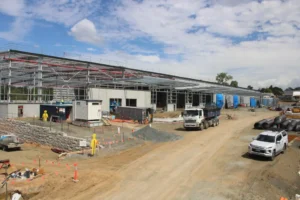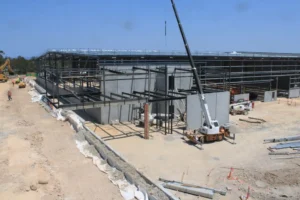

Introduction: Why Aerial Photography Matters for Construction Projects
In the world of construction, staying on top of progress and maintaining a clear overview of the site is essential. Aerial photography offers a unique and valuable perspective that traditional methods cannot match. With the ability to capture comprehensive, bird’s-eye views of a construction site, aerial photography provides real-time insights into site conditions, progress, and potential challenges. Whether you’re managing a large commercial project or a smaller build, aerial images give you an edge in project monitoring, safety, and communication.
1. Gaining a Comprehensive Overview with Aerial Photography
One of the key benefits of aerial photography is the ability to capture wide-ranging views of the entire site. This aerial perspective allows you to:
- Assess the overall project progress.
- Understand how different areas of the site are developing.
- Spot potential issues that may not be obvious from the ground level.
By capturing aerial images, you gain a much clearer view of your site, which is crucial for making informed decisions.
2. Real-Time Site Monitoring with Drone Photography
Traditional site inspections often rely on walking through the site, which can be time-consuming and may miss certain perspectives. With drone photography, however, you can conduct real-time monitoring from above. Drones offer the flexibility to:
- Fly over active work zones without disrupting ongoing activities.
- Access hard-to-reach areas, such as rooftops or remote sections of the site.
- Capture real-time video footage and imagery for immediate analysis.
This allows for faster, more efficient site assessments, which can help you stay on top of progress without unnecessary delays.
3. Streamlined Documentation with Aerial Photography
Aerial photography serves as an invaluable tool for documenting the construction process. By regularly capturing images from the sky, you build a visual record that can be used for:
- Progress reports that are easy to share with clients, stakeholders, and investors.
- Tracking key milestones in the construction timeline.
- Providing evidence of completed work for compliance or insurance purposes.
This visual documentation is much more engaging and informative than traditional methods, helping you communicate your progress clearly.
4. Enhancing Safety and Site Management with Aerial Photography
Safety is a top priority on any construction site, and aerial photography plays a significant role in improving safety standards. By capturing overhead footage, you can:
- Monitor hazardous zones and assess risks before work begins.
- Ensure compliance with safety protocols, such as proper PPE use or safe work practices.
- Detect issues such as cluttered work areas or dangerous equipment positioning.
Having a bird’s-eye view of the entire site helps identify hazards that might go unnoticed from the ground.
5. Improving Communication with Stakeholders Using Aerial Footage
Clear and consistent communication is crucial in construction projects. Aerial photography provides a powerful way to engage with stakeholders and keep them informed. You can use aerial images and videos to:
- Share progress updates with clients, investors, and the project team.
- Provide before-and-after images to highlight major milestones.
- Create visual content for marketing, presentations, or reporting.
Aerial footage offers a level of engagement that written reports or static images simply cannot match.
6. Optimising Project Planning with Aerial Surveys
Aerial surveys are a critical tool for efficient project planning. By using drone photography to monitor the site, construction teams can:
- Assess material stockpiles and determine if additional deliveries are needed.
- Map out equipment staging areas and determine the best access routes.
- Identify potential conflicts in site layout before construction begins.
These insights help to optimise logistics, resource allocation, and overall project planning, ensuring everything runs smoothly from start to finish.
7. Marketing and Public Relations Opportunities with Aerial Footage
In addition to the operational benefits, aerial photography can be a powerful marketing tool. Once the construction project is complete, the stunning aerial footage can be used for:
- Showcasing your work on social media and websites.
- Highlighting your capabilities in case studies and portfolio materials.
- Providing impressive footage for project bids or presentations.
High-quality aerial imagery adds a cinematic touch to your marketing, which can help attract new clients and set your business apart.
8. Regulatory Compliance for Drone Operations
It’s important to ensure that drone photography is carried out safely and legally. Professional drone operators must adhere to CASA (Civil Aviation Safety Authority) guidelines, which include:
- Following no-fly zones and safe flight paths.
- Ensuring that drone operations do not interfere with construction activities.
- Ensuring proper data handling and privacy compliance.
When hiring a drone service provider, make sure they are licensed and follow all relevant regulations for safe and legal operations.
Conclusion: Aerial Photography for Smarter Construction Management
Incorporating aerial photography into your construction projects offers numerous advantages. From site monitoring and progress tracking to enhancing safety and improving communication, drones provide valuable insights that traditional methods simply can’t match. Whether you are managing a large commercial build or a small residential project, aerial photography is an invaluable tool that enhances efficiency, safety, and project oversight.
Want to take your construction site to new heights?
Contact Construction Time Lapse Specialists today to discover how our aerial photography services can enhance your project management and boost your project’s visibility.