In the fast-paced world of construction, site inspections are crucial for tracking progress, ensuring safety, and maintaining the quality of work. However, traditional inspection methods can be time-consuming, risky, and limited in their ability to capture the full scope of a project. This is where drone photography comes in.
Drone technology has revolutionised the way construction professionals approach site inspections. It offers high-resolution aerial views, real-time data, and the ability to safely access hard-to-reach areas. In this blog, we’ll explore the many benefits of using drone photography for construction site inspections. We’ll also discuss why it’s quickly becoming the go-to tool for construction managers, contractors, and project stakeholders.
1. Aerial Views: Comprehensive Site Coverage in Minutes
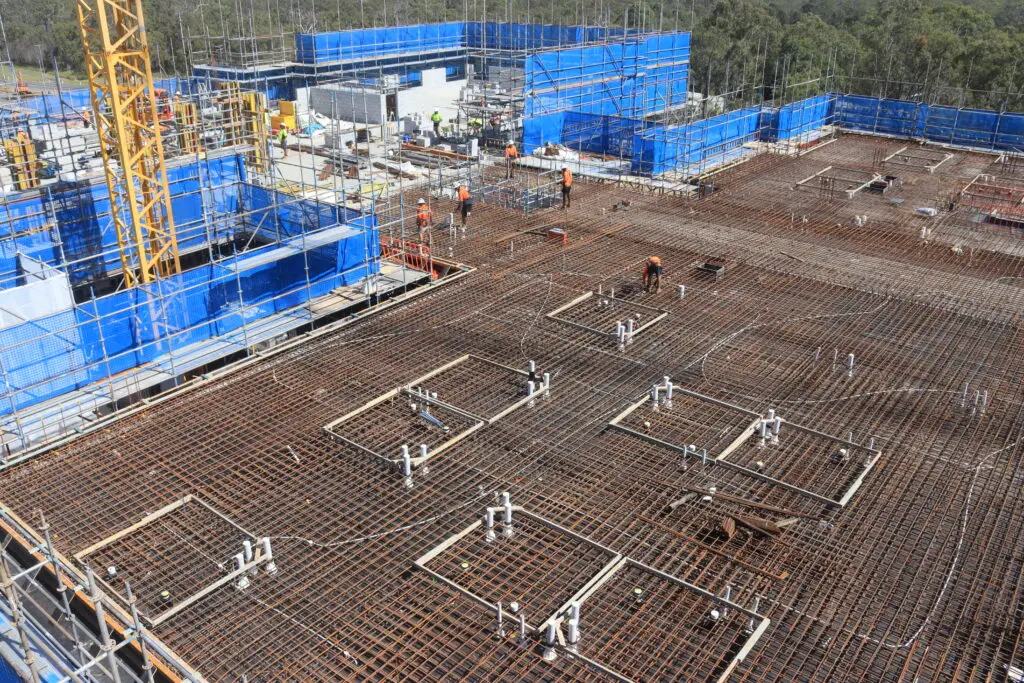
Traditional site inspections often require workers to physically access various parts of the construction site, which can be time-consuming and dangerous. With drone photography, you can get a bird’s-eye view of the entire site. This method captures a much broader perspective in a fraction of the time. This is particularly valuable for:
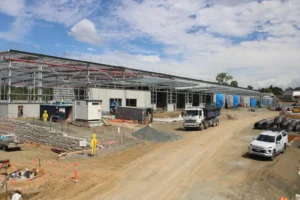
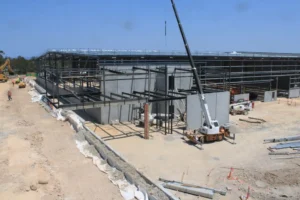
- Large-scale sites: Drones provide a comprehensive overview of expansive sites, such as highways, industrial facilities, or multi-story buildings.
- Difficult-to-reach areas: Drones can fly over or around obstacles. Thus, they offer access to areas that may be hard to inspect manually, such as rooftops, scaffolding, or steep terrain.
Drone inspections give you a complete visual record of the site. This helps you assess progress and identify potential issues quickly and effectively.
2. Faster and Safer Inspections
One of the biggest advantages of using drones for site inspections is the speed and safety they offer. Traditional inspections often require inspectors to climb ladders, scaffolding, or use heavy machinery to access higher areas, posing significant safety risks. With drones, you can:
- Avoid physical hazards: Inspect areas without putting workers at risk of falls or accidents.
- Reduce the need for scaffolding or ladders: Drones can capture footage from heights without requiring any manual labor on-site.
- Speed up inspections: What would take hours to complete manually can be done in just minutes with drone technology.
This not only improves safety on-site but also helps keep the project on schedule by reducing downtime associated with traditional inspection methods.
3. High-Quality, Detailed Visuals
Drones are equipped with high-resolution cameras capable of capturing sharp, detailed images of the construction site. This allows for:
- Close-up inspections: Drones can fly close to structures and capture fine details. These details include cracks in walls, roofing materials, or welding joints.
- High-definition video footage: Real-time video feeds provide a dynamic look at the site. These can help assess ongoing work more efficiently.
- Aerial 3D mapping: Drones can create 3D models of the site. This offers a more comprehensive and accurate view of the project’s progression.
These detailed visuals provide more information than traditional photos or written reports. This helps project managers make more informed decisions and identify issues before they become problems.
4. Real-Time Data for Better Decision Making
Real-time drone footage gives construction managers and site supervisors immediate access to critical information. Instead of waiting for reports or taking time to travel to the site, you can:
- Monitor progress remotely: Track the development of various project stages from the comfort of your office or via a mobile device.
- Make quick adjustments: Identify any issues on-site, such as safety violations, delays, or material shortages, and address them instantly.
- Enhance collaboration: Share live footage with project stakeholders, such as clients, contractors, or investors, to keep everyone informed and aligned.
The ability to access up-to-date aerial footage in real-time enhances decision-making and helps keep projects running smoothly.
5. Improved Safety and Compliance Monitoring
Drone inspections aren’t just about monitoring construction progress—they also play a key role in site safety and compliance. With the ability to observe the site from the air, drones can:
- Spot safety hazards: Drones can detect issues like improperly stored materials, workers not wearing PPE, or hazardous conditions like unstable scaffolding or equipment.
- Monitor safety protocols: Ensure workers are adhering to site safety regulations by reviewing footage that shows if safety measures are being followed.
- Document compliance: Drone footage serves as an official record of safety checks, inspections, and compliance with building codes or regulations. This record is invaluable for audits or legal matters.
By enhancing safety oversight, drones contribute to a safer construction site and a stronger safety culture.
6. Cost-Effective Inspections
Drone inspections can significantly reduce the cost of traditional inspections. Here’s how:
- Lower labor costs: There’s no need for scaffolding, ladders, or other costly equipment.
- Reduced downtime: Drones can quickly inspect areas that would otherwise take hours or days to access manually.
- Fewer delays: Faster inspections mean less interruption to workers and other ongoing activities, helping keep the project on track.
Using drones for inspections can result in considerable cost savings over the course of a project, making it a cost-effective solution for modern construction management.
7. Applications Across Different Project Types
Drone inspections aren’t just for large, complex projects. They can be used across a wide range of construction types, including:
- Commercial buildings: Drones are ideal for inspecting high-rise buildings and multi-story structures.
- Infrastructure projects: Roads, bridges, and tunnels can be efficiently monitored with aerial views.
- Residential construction: Drones can help keep track of smaller projects, providing valuable documentation and oversight.
- Rural or remote sites: Drones can access sites that may be difficult to reach due to location or terrain.
Regardless of the project’s scale or type, drone photography can be applied effectively for inspections.
Conclusion: Embrace the Future of Site Inspections with Drones
The use of drone photography for construction site inspections has quickly become an industry standard. Drones offer a faster, safer, and more efficient way to monitor construction sites. They also provide detailed, real-time data that enhances decision-making and project management. Whether you’re working on a high-rise building, infrastructure project, or residential home, drones can give you the edge you need to stay ahead.
Ready to elevate your construction site inspections?
Contact Construction Time Lapse Specialists today to explore how our drone photography services can help streamline your next project.