Key Takeaways
Construction project documentation is the working record of what was planned, agreed, built and handed over. A clear process helps teams keep information useful throughout the project.
- Keep drawings, specifications, contracts and site records together and easy to identify.
- Record changes, reviews and approvals so teams can follow what happened and when.
- Assign clear responsibility for creating, checking and storing each document.
- Use consistent naming and version control, whether records are digital or physical.
- Prepare handover records as the project progresses, not just at close-out.
What construction project documentation includes
Construction project documentation is more than a stack of drawings or a folder of forms. It brings together the information teams rely on to plan work, communicate decisions and record what takes place on site. The exact set varies by project, but it usually spans design, commercial agreements and day-to-day delivery. A practical documentation guide can help teams think through records and responsibilities from planning to handover.
Drawings, specifications and design records
Drawings and specifications describe the intended design, materials and workmanship. They may be accompanied by design calculations, schedules, consultant reports and records of reviews or approvals. Keep related documents identifiable by discipline and revision, so a site team can distinguish current information from superseded material. For instance, when a finish is under consideration, granite selection details may be useful background, while the project specification should state the agreed product and requirements.
Contracts, scope documents and variations
Contracts and scope documents set out the work, responsibilities, commercial terms and processes for managing change. Variation requests, instructions and approvals add a record of how the agreed scope develops over time. It helps to retain the request, decision and supporting correspondence together, rather than relying on a note in a meeting minute. Teams dealing with questions around scope, delay, workmanship or payment can also consult guidance on construction contract disputes.
Site records, quality checks and safety documents
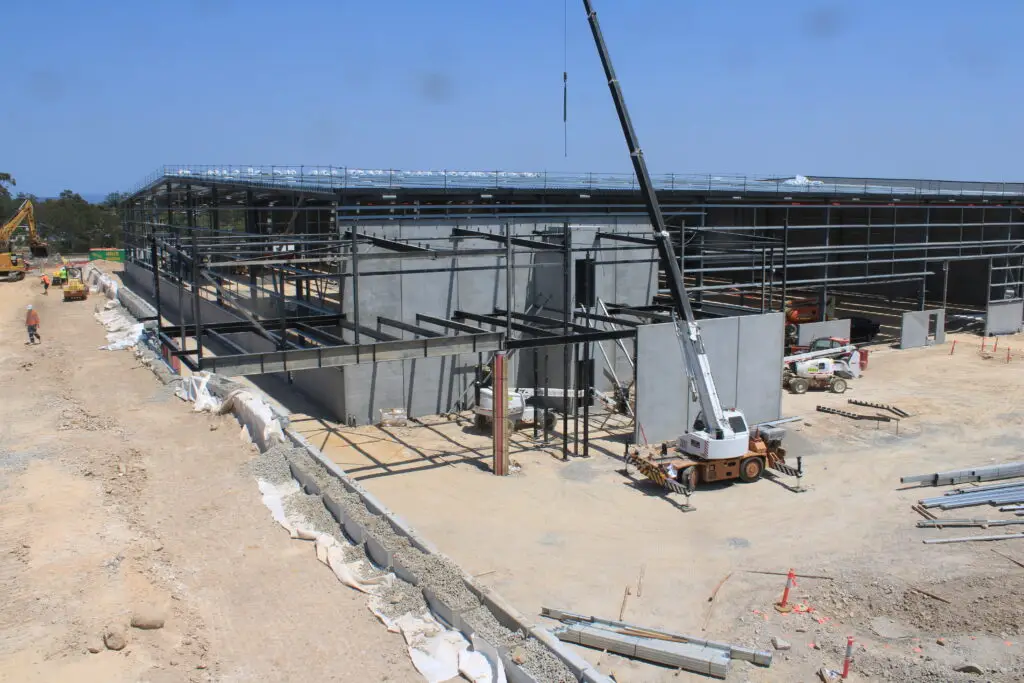
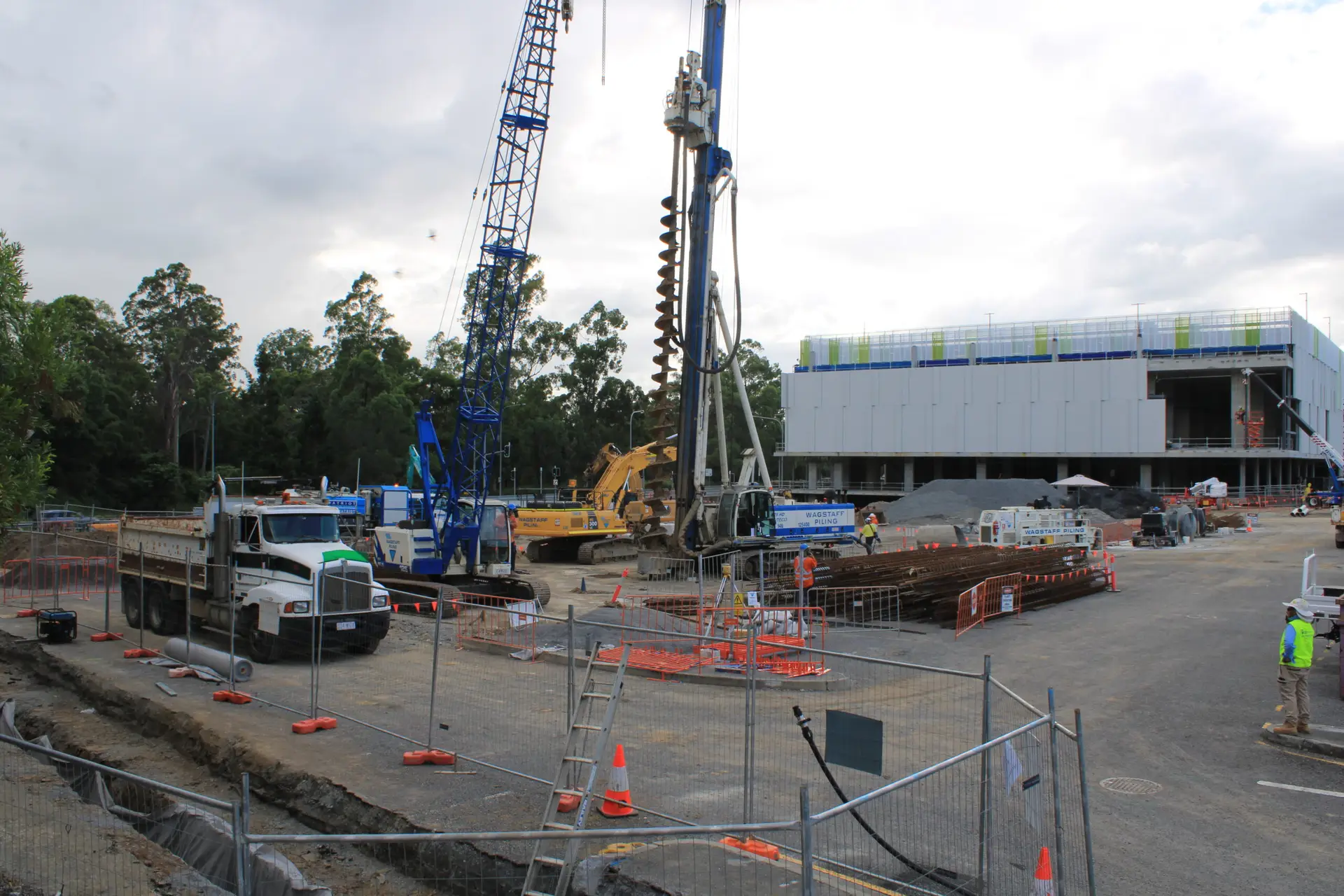
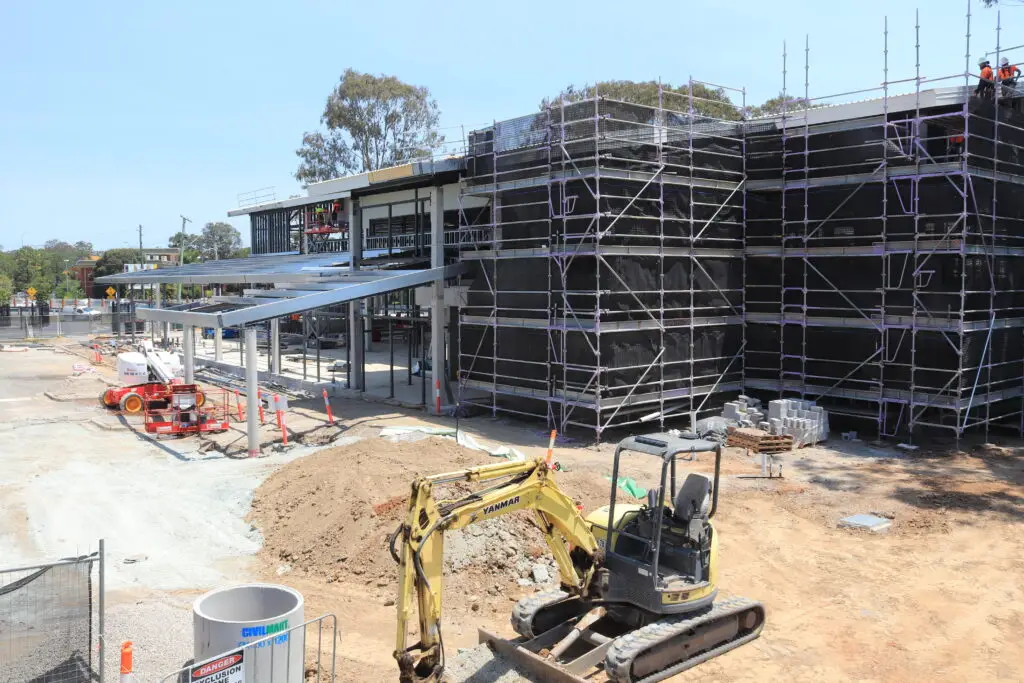
Site diaries, inspection results, test records, safety documents and progress photographs capture aspects of work as it happens. They can help explain what was completed, what was checked and what still needs attention. Visual records are most useful when their dates, locations and purpose are clear; guidance on organising visual site records covers ways to plan and manage photos and other imagery. Keep these records connected to relevant work areas and activities so they can be found when someone needs to verify a detail.
Why accurate documentation matters
Project records influence day-to-day decisions as well as later reviews. When information is incomplete or out of date, teams can work from different assumptions about scope, status or approval. A consistent record gives people a shared reference and helps distinguish confirmed decisions from items still under review. Accuracy is therefore not just an administrative concern; it affects how clearly a project can be managed.
Keeping project teams aligned
Designers, builders, subcontractors and clients may each rely on different parts of the project record. A shared approach to naming, revision and distribution reduces the chance of someone using an old drawing or missing a decision. Meeting minutes and action records are also valuable when they capture owners and due dates, not only discussion. In accommodation developments, it can help to keep construction information distinct from wider industry coverage such as hotel and dining news, which serves a different purpose.
Supporting cost and programme control
A clear record of instructions, approvals, site conditions and completed work helps teams understand how delivery compares with the agreed plan. It does not replace cost or programme analysis, but it gives those reviews a traceable basis. Some records have particular value when read alongside one another:
| Record | What it can help clarify | Useful link to keep |
|---|---|---|
| Approved drawing revision | Which design information was current | Review or approval record |
| Variation instruction | What changed in the agreed scope | Cost and programme assessment |
| Site diary entry | What occurred on a particular day | Relevant work area or activity |
| Inspection result | What was checked and its outcome | Follow-up or rectification record |
Together, these records can make a project discussion more specific: teams can refer to the relevant instruction or inspection rather than relying on recollection. Maintaining them as work proceeds is generally easier than reconstructing a timeline later.
Reducing disputes and protecting compliance
Well-kept records support clear explanations of decisions and actions, but they do not guarantee that disagreements will be avoided. They can, however, make it easier to establish what was requested, reviewed and approved. Compliance evidence also needs to be tied to the relevant obligation and kept in a form that can be retrieved. For projects near a public recreation area, for example, Parque Arví trail guidance may inform general site-access context, while project-specific permissions and site requirements still need their own records. Cross-sector resources on healthcare compliance workflows also discuss audit preparation and organised evidence, although construction teams must follow their own applicable requirements.
How documentation changes across the project lifecycle
The project record grows and changes as decisions move from concept to delivery and close-out. Early information tends to describe intent and options; later records capture approved details, work completed and outstanding obligations. Making the transition between these stages visible helps prevent a useful design decision from being separated from its construction outcome. Construction documentation is most effective when each phase adds to, rather than obscures, the project history.
Planning and design records
During planning and design, teams develop the brief, site information, design options, consultant input and approval records. These documents help establish the basis on which scope, cost and programme are considered. A record of decisions and assumptions is particularly useful when a later change needs to be assessed against the original intent. Keep drafts clearly distinguished from approved information, and retain the review trail for key decisions.
Construction-phase updates and approvals
During construction, records increasingly capture instructions, revised drawings, inspection outcomes, progress and responses to site issues. The central task is to connect an update to its review and approval status, then make the current information available to the people who need it. Construction Time Lapse Specialists provides construction time-lapse cameras and photography, including 4K clarity and remote monitoring, which can contribute visual material to project progress records. Images are most useful when teams know the date and viewpoint and can relate them to a milestone or area of work.
Handover, operation and close-out records
At close-out, the record should make clear what was completed, what remains open and what information is being passed to the owner or operator. Depending on the project, this may include final drawings, inspection and test records, warranties, approvals and maintenance information. Visual records can also help convey the sequence of site progress; Construction Time Lapse Specialists offers construction time-lapse photography for projects across Brisbane and Queensland. A well-organised close-out set gives future users a more useful starting point than a collection assembled at the last minute.
How to build a reliable documentation workflow
A dependable workflow makes routine record-keeping predictable without adding unnecessary steps. It should explain how information is named, checked, approved, distributed and retained, including what happens when a document is replaced. The process needs to fit the size and pace of the project, and be understood by those who use it. Clear responsibilities matter as much as the tools chosen to store the records.
Set naming, version control and approval rules
Choose a naming convention that identifies the document type, project area or discipline, date or revision, and status where relevant. Set out who can approve a document and how a new revision is issued, so teams can recognise current information without guessing. Superseded versions should remain traceable where required, but should not be confused with approved working documents. Consistent rules are a small control with broad value because they make filing and retrieval more reliable.
Define who creates, reviews and stores each record
Assign an owner for each recurring record type, then clarify who reviews it, who approves it and where the final version is stored. A responsibility matrix can be simple; the important part is that every record has a clear route from creation to retention. Include relevant subcontractors and consultants in the process where they contribute information. Teams planning visual capture can also explore capture options as part of deciding how site imagery will be produced and managed.
Track requests, changes and outstanding actions
Requests and changes often cross several roles, so a shared action log can prevent open items from disappearing into email threads. Keep the register concise and include enough information for someone else to understand the item without chasing its history. A practical log might record:
- A unique reference and a short description of the request.
- The person responsible for responding and the response date.
- Current status, including whether a decision is pending or approved.
- Links or references to related drawings, instructions and correspondence.
Review the log at a regular project meeting and close items only when the decision or action is recorded in the relevant project documents. That connection keeps the register useful as a navigation aid rather than a separate, incomplete version of the project history.
How to manage construction documents digitally
Digital storage can make records easier to distribute and retrieve, but it does not create good document control by itself. Teams still need rules for versions, access and retention, as well as a structure that makes sense to people working in the office and on site. Choose a method that supports the actual workflow rather than adding parallel repositories. Good digital management is practical, consistent and easy to explain to new project participants.
Choose a document management system
Before choosing a system, identify the volume and types of information to manage, who needs access, and which review or approval steps must be supported. Check whether the chosen setup can preserve document history and make approved information distinguishable from drafts. The system should suit the project’s security and access requirements, rather than being selected only for its feature list. A guide to construction documentation offers useful context on the kinds of records teams may need to manage across a project.
Make information easy to find on site
A site user often needs a drawing or instruction quickly, with little time to search through broad folder structures. Use familiar labels, a logical hierarchy and a consistent way to identify current documents. If site connectivity or device access is limited, plan how authorised teams will obtain the required information without creating uncontrolled copies. For visual progress material, Construction Time Lapse Specialists provides secure remote portal access for viewing site progress; that can support visibility, while other project documents still need their own agreed controls.
Control access, backups and audit trails
Set access according to project roles and protect records against accidental loss or unauthorised changes. Regular backups and an audit trail can help teams understand what changed and when, subject to the chosen system and its settings. Confirm who manages permissions and what happens to records when a person leaves the project. These measures are useful only when they are part of a documented process that people follow consistently.
Best practices for maintaining complete records
Complete records come from steady habits, not a late push to gather missing files. Build documentation tasks into the work that creates the information: inspections, reviews, instructions and handover preparation. Periodic checks can uncover gaps while the people involved still remember the details. The aim is a record that is reliable enough to use and organised enough to retrieve.
Update documents promptly and consistently
Record a decision or site event close to when it occurs, while the details are clear. Where an approved change affects drawings or instructions, make sure the relevant documents and distribution records are updated through the agreed process. Keep the date and status visible, and avoid informal copies that can be mistaken for current information. Timely updates help the project team work from the same picture of events.
Check records for accuracy and completeness
A regular review should check both whether a record exists and whether it says what it needs to say. Confirm key details such as date, location, revision, author, approval status and references to related documents. If something is missing, assign an owner to resolve it rather than leaving a vague note for later. A short, repeatable review is more likely to catch errors than relying on a final archive check alone.
Prepare for audits, handover and future maintenance
Organise records so that someone who was not involved in day-to-day delivery can understand them. Group related approvals, inspections, changes and close-out information, and make the relationship between documents clear. Retain records according to project and applicable requirements, and confirm the handover package is complete before the team disperses. A useful archive serves not only an audit or handover, but also the people who need to operate and maintain the completed asset.
Conclusion
Construction project documentation works best as a living record, shaped by clear ownership, consistent control and timely updates from planning through handover. For a project that would benefit from visual progress records, contact Construction Time Lapse Specialists to discuss construction time-lapse cameras and photography suited to the project.