Key Takeaways
Effective infrastructure project monitoring gives you a dependable view of progress, expenditure, quality, safety, and emerging risk. The strongest approach joins clear governance with consistent field evidence and timely decisions.
-
Define what you need to monitor and why it matters.
-
Set approved baselines before measuring performance.
-
Combine field observations with reliable digital records.
-
Escalate meaningful variances while there is still time to respond.
-
Review the process regularly and improve it as the project develops.
Define the goals and scope of infrastructure project monitoring
Infrastructure project monitoring works best when it is designed around decisions, not simply data collection. Before work begins, you need to agree what success looks like, which information will prove progress, and who needs to see it. The scope should cover both delivery performance and the conditions that may affect the finished asset. A practical site monitoring guide can help you connect technology, responsibilities, risks, and response procedures in one plan.
Align monitoring with project objectives and stakeholder needs
Start by translating the project brief into monitoring questions. You may need to know whether a bridge package is progressing to its approved sequence, whether a utility diversion is ready for the next trade, or whether community commitments are being met. Each question should have an owner, a source of evidence, and a defined point at which action is required.
Stakeholders rarely need the same level of detail. Project directors may want a concise view of trend and exposure, while supervisors need observations that can be acted on during the shift. Agreeing these needs early prevents reporting from becoming a large but unfocused collection of updates.
Set baselines for scope, schedule, cost, and quality
A baseline is the reference point against which actual performance is judged. Record the approved scope, programme dates, budget, key quantities, inspection requirements, and acceptance criteria before construction changes the picture. If the baseline moves, preserve the previous version and document the approval rather than quietly replacing it.
This discipline lets you distinguish an approved change from an unexplained variance. It also makes conversations more precise: a team can discuss the size, cause, and consequence of a deviation instead of arguing over whose version of progress is correct.
Assign roles and responsibilities across project teams
Monitoring becomes unreliable when everyone is expected to contribute but no one is accountable for checking the result. Define who captures field evidence, who validates it, who updates the programme or cost plan, and who approves corrective action. Contractors, inspectors, designers, commercial managers, and client representatives should understand where their responsibilities begin and end.
A simple responsibility matrix can prevent duplicated inspections and missed handovers. It should also name a deputy for critical roles, since infrastructure work continues through leave, roster changes, and periods of intense delivery activity.
Establish reporting frequency and escalation thresholds
Set reporting intervals according to the pace and risk of the work. A daily field record may be appropriate for active construction zones, while cost forecasts and executive reports may be weekly or monthly. The frequency should be sufficient to expose change before it becomes expensive, without asking teams to produce information that nobody uses.
Escalation thresholds give the process its practical edge. Define limits for missed milestones, forecast cost movement, safety events, quality defects, permit delays, and unresolved decisions. When a threshold is reached, the report should state who must respond, by when, and what evidence will close the issue.
Build a reliable infrastructure monitoring framework
A framework turns individual updates into a repeatable system. It should explain what is measured, how it is measured, where the record is stored, and how the result supports control. You should also account for conditions outside the contractor’s immediate control, including approvals, weather, environmental constraints, and public disruption. The aim is not to measure everything; it is to create information you can trust when a decision carries cost or risk.
Select KPIs for time, budget, quality, safety, and performance
Choose a small set of indicators that reflects the project’s actual obligations. Schedule indicators might include planned versus actual completion, milestone variance, and critical-path float. Cost indicators can cover committed cost, approved changes, forecast at completion, and cash flow. Quality, safety, and asset-performance measures should be equally visible rather than treated as secondary records.
A useful KPI has a clear formula, an owner, a reporting period, and a response attached to it. For example, a rising defect trend should prompt investigation, not merely change a dashboard colour. You can also separate project-wide indicators from package-level measures so local problems do not disappear inside an attractive overall average.
Combine leading indicators with lagging indicators
Lagging indicators tell you what has already happened, such as rework, lost time, or a missed milestone. Leading indicators provide earlier signals, including overdue design reviews, incomplete permits, inspection backlogs, late material approvals, or declining workforce readiness. Used together, they show both the current result and the conditions producing it.
The balance matters. A project can appear on schedule while unresolved technical queries are accumulating. Conversely, a temporary productivity dip may be manageable if upcoming approvals and resources are ready. Reviewing both types helps you act before a visible failure becomes the first sign of trouble.
Create consistent data definitions and measurement standards
Different teams can use the same word to mean different things. Define whether “complete” means physically installed, inspected, accepted, or paid. Establish rules for quantities, progress percentages, defect status, timestamps, location references, and evidence quality. These definitions should be available to everyone who enters or reviews information.
The framework should also specify how often data is captured and how exceptions are handled. A consistent method makes records comparable across work packages and reporting periods. It reduces the temptation to adjust a measure simply because the result is inconvenient.
Account for permits, environmental conditions, and community impacts
Programme and cost performance can be distorted when external dependencies are left outside the monitoring model. Track permit status, environmental controls, weather limitations, traffic arrangements, land access, utility interfaces, and community commitments alongside construction tasks. These factors often determine whether planned work can proceed safely and lawfully.
A project record should make the relationship visible: what condition occurred, which activity it affected, how long the effect lasted, and what response was approved. This creates a more useful explanation than a generic note that work was delayed.
Use technology to improve field data collection
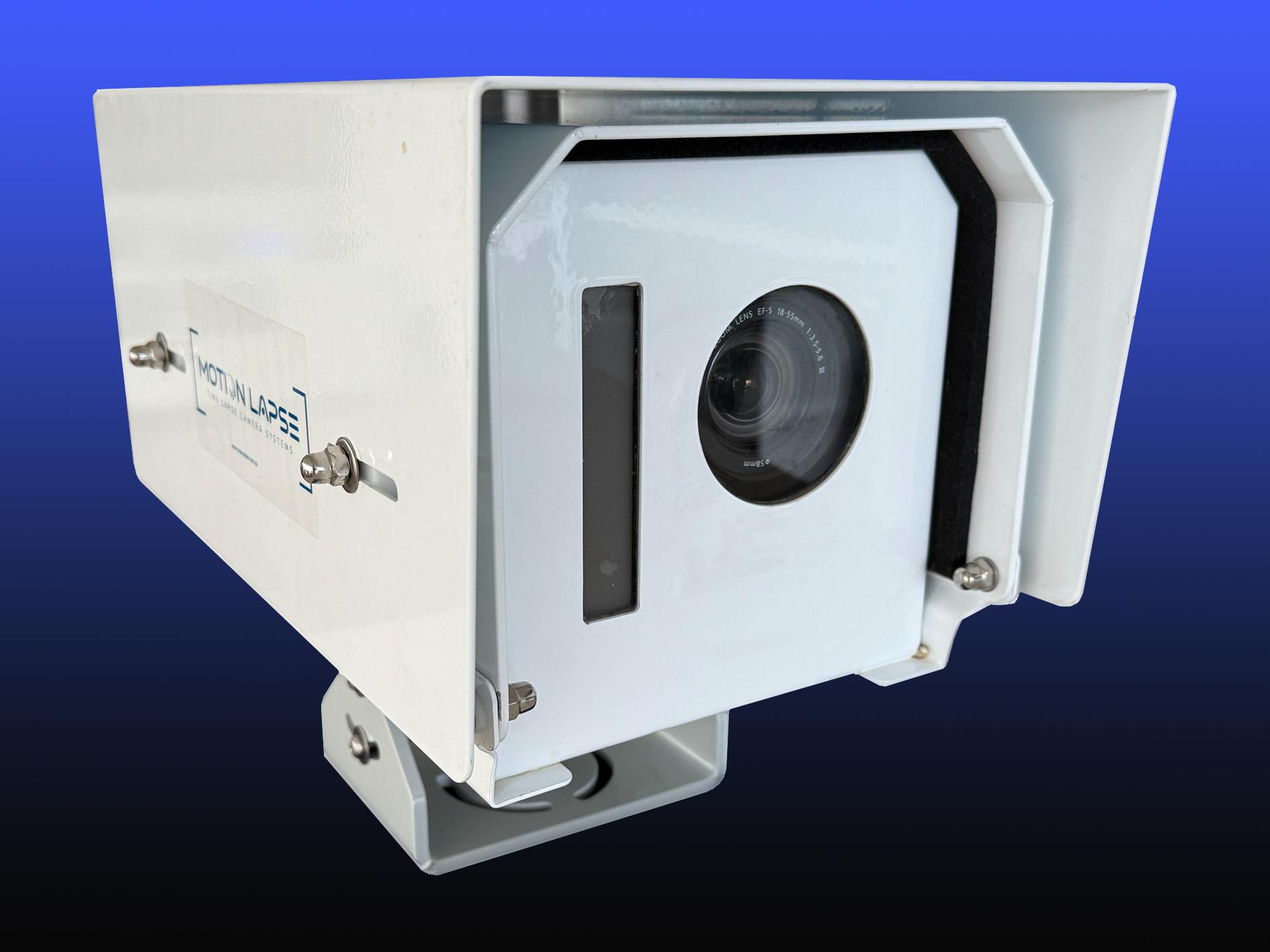
Technology is valuable when it reduces friction between what happens on site and what decision-makers can see. Mobile records, imagery, sensors, models, and location data can provide a more complete evidence trail than occasional written updates. They still need a defined workflow, however, because a fast collection method does not automatically produce accurate information. Construction Time Lapse Specialists provides construction time lapse systems with 4K cameras, drone imaging, and high-resolution photography for visual monitoring and project records.
Connect project management platforms with field reporting tools
Your field process should minimise duplicate entry. Where systems are connected, a site observation can carry its location, date, package, responsible party, and supporting media into the relevant project record. This makes it easier to link an inspection finding to a programme activity, request for information, cost item, or corrective action.
Before connecting platforms, agree which system is authoritative for each data type. Integration should not create several competing versions of the schedule or issue register. Test permissions, timestamps, attachments, and status changes using a real field scenario rather than relying only on a technical demonstration.
Apply mobile apps, sensors, drones, and geospatial data
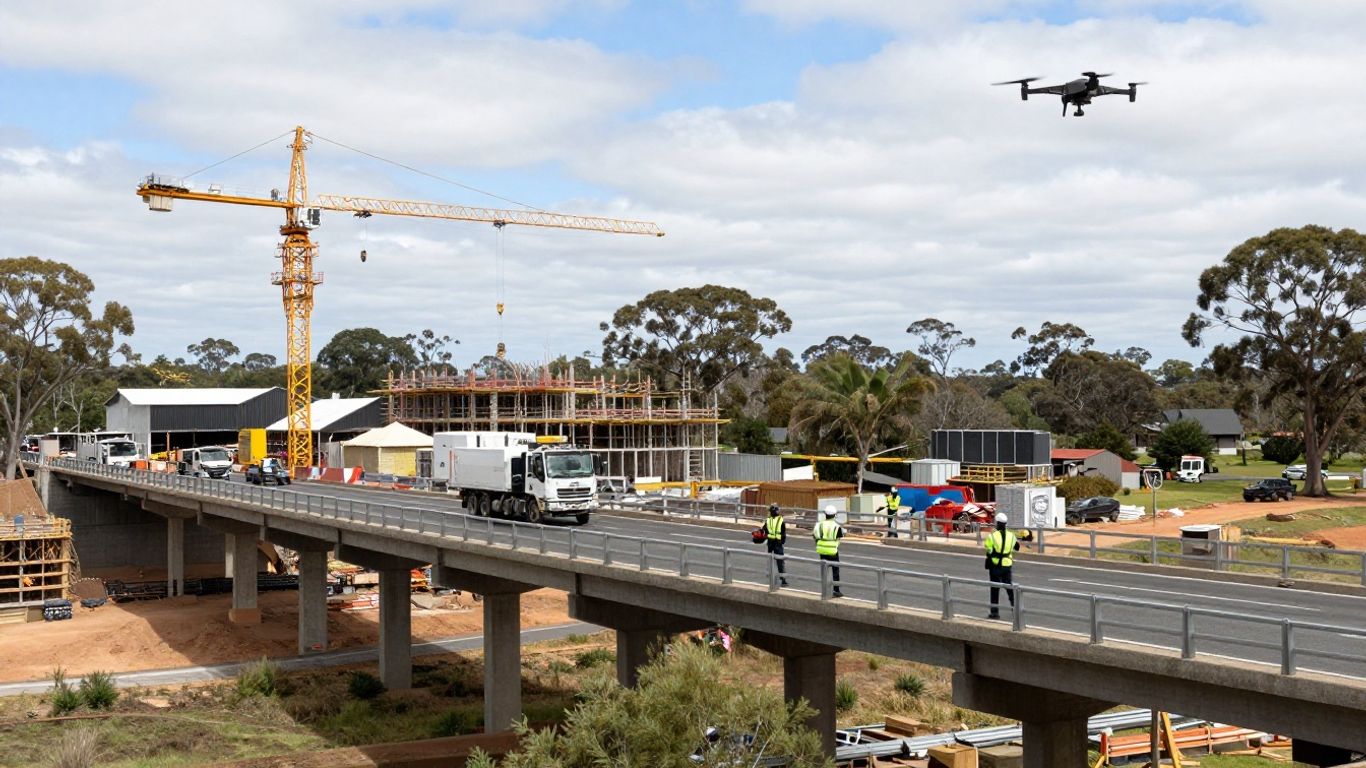
Mobile devices allow teams to record observations close to the work, while sensors can provide repeated readings for selected conditions. Drones and geospatial information can add coverage across large or difficult sites, provided flight permissions, safety controls, and survey requirements are addressed. Visual records are particularly useful when remote stakeholders need to understand physical progress without frequent site visits.
Use each tool for a defined purpose. A drone survey may support area-wide context, while a mobile inspection captures a specific defect and its corrective action. A time-lapse camera can preserve a continuous visual record, but it should complement—not replace—formal inspections, measurements, and approvals.
Use digital twins and 3D models to track physical progress
A model can make spatial information easier to interpret, especially where several disciplines share a constrained work zone. Compare captured conditions with the approved design, identify areas requiring attention, and connect observations to a location that others can find. Keep the model’s revision, capture date, and level of confidence visible so users understand what they are reviewing.
For complex projects, a visual sequence can also help explain change over time. It gives managers a common reference during coordination meetings and can reduce the ambiguity of descriptions such as “the eastern section near the access road.”
Protect data quality, access, and cybersecurity
Reliable monitoring depends on more than collecting more files. Set minimum image quality, naming, location, and timestamp requirements, then check samples for completeness. Control access according to role, retain audit trails, and back up records in line with contractual and regulatory requirements.
You should also plan for weak connectivity, damaged devices, expired credentials, and unauthorised sharing. A practical field workflow includes offline capture where needed, synchronisation checks, secure authentication, and a clear process for correcting an erroneous record without deleting its history.
Monitor schedule, cost, quality, and risk in real time
Real-time monitoring does not mean that every measure updates every second. It means that important information reaches the people who can respond while the response still matters. Bring programme, commercial, quality, safety, and risk information into a shared view, while preserving the detail behind each status. Construction Time Lapse Specialists offers secure remote portal access for viewing site progress, supporting communication and visual records across a project lifecycle.
Compare actual progress with the approved baseline
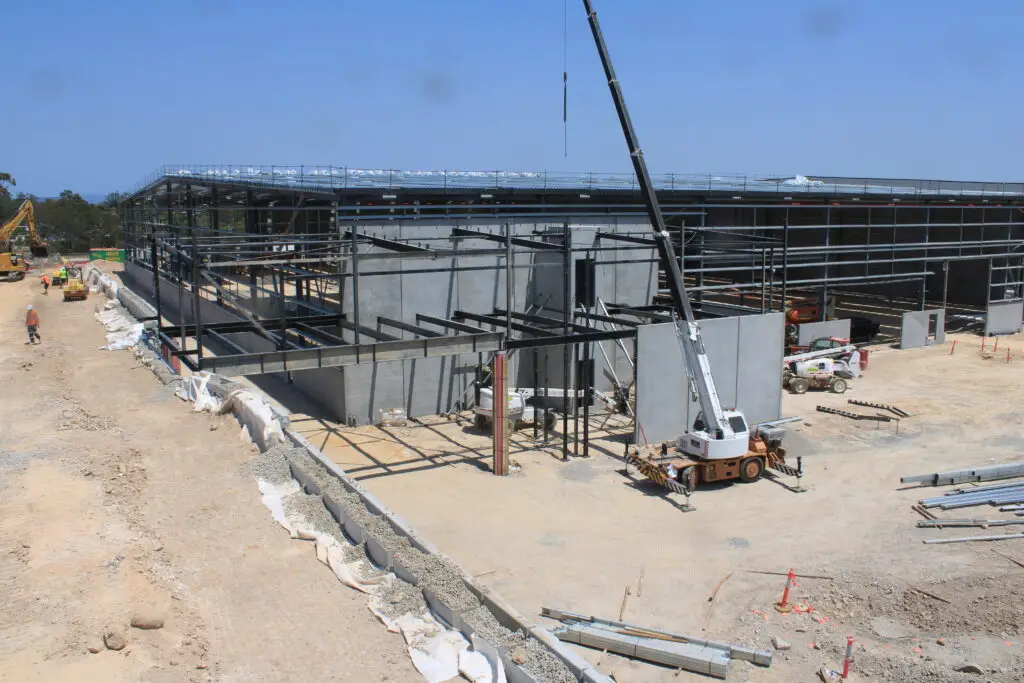
Compare completed work with the approved programme using a consistent progress rule. Physical completion, installed quantities, verified milestones, and visual evidence can each contribute, but the method must be agreed in advance. Do not treat activity started as activity complete, and do not allow a broad package percentage to conceal unfinished critical work.
A dated visual record can help you check whether reported progress matches site conditions. It is most useful when paired with the programme logic and inspection evidence, so that a picture informs the discussion without becoming the only basis for acceptance.
Track commitments, cash flow, change orders, and forecast costs
Cost monitoring should connect what has been ordered, approved, invoiced, and forecast. Track commitments against the budget, identify pending variations, and show how potential changes could affect cash flow and the final cost. Keep approved change orders separate from unresolved claims or early warnings.
The following view can help you structure a monthly control conversation:
|
Control area |
Evidence to review |
Decision it supports |
|---|---|---|
|
Commitments |
Purchase orders and subcontract values |
Whether remaining budget is exposed |
|
Cash flow |
Actual spend and forward forecast |
Whether funding timing needs adjustment |
|
Change orders |
Approved, pending, and rejected changes |
Whether scope or contingency must change |
|
Forecast cost |
Estimate to complete and risks |
Whether the expected final cost remains acceptable |
The table is useful only when each figure has a date, owner, and explanation. A forecast that moves without a documented cause is difficult to manage, even if it appears precise.
Identify schedule delays and critical-path risks early
Review emerging delay signals before the milestone is missed. Look for late design information, unavailable work fronts, slow approvals, resource gaps, material lead times, and dependencies that have lost float. Then test the likely effect on successor activities rather than recording the issue in isolation.
Early action may involve resequencing, adding resources, resolving an interface, or escalating a decision. It may also mean acknowledging that a recovery plan is not credible. Clear evidence gives you a better basis for choosing between those options.
Verify workmanship, materials, safety, and compliance
Quality and safety checks should be linked to the work being monitored. Confirm that materials match approved requirements, inspections occur at hold points, defects receive owners and due dates, and corrective work is verified. Capture enough location and photographic detail for another reviewer to understand the condition without guessing.
Visual monitoring can support incident review and communication, but it does not replace competent supervision or statutory compliance processes. Use it as part of a broader assurance system that includes inspections, testing, permits, training, and documented approvals.
Turn monitoring data into actionable project decisions
Information becomes useful when it changes what someone does next. Your reporting should distinguish routine status from a decision that needs attention, then present enough context for the recipient to act. Avoid dashboards that display many indicators but hide ownership, timing, or consequence. The best infrastructure project monitoring process creates a short path from evidence to response.
Create dashboards for executives, managers, and field teams
Build views for the decisions each audience makes. Executives may need trend, forecast, major risk, and confidence in the delivery date. Managers may need package variance, constraints, dependencies, and open actions. Field teams need clear, current tasks with locations, priorities, and due dates.
Keep the summary stable enough to compare periods, but allow users to drill into the underlying record. A red status without a linked explanation encourages debate about the dashboard rather than action on the project.
Analyze trends instead of relying on isolated updates
One late delivery may be noise; repeated late deliveries from the same source are a pattern. Compare indicators across reporting periods, work packages, locations, and responsible parties. Examine whether defects, approvals, productivity, or safety observations are moving together, since connected trends can reveal a constraint earlier than a single KPI.
Use a defined review question for each trend. Ask what changed, when it changed, why it changed, and what evidence would confirm the cause. That habit keeps analysis grounded and prevents a convenient explanation from becoming accepted fact.
Escalate issues with clear ownership and response deadlines
An escalation should make the required decision unmistakable. State the issue, its impact, options, recommended response, owner, and deadline. If the issue crosses organisational boundaries, name the person responsible for coordinating the response rather than assigning it to a group.
A concise action list is helpful when a review produces several linked tasks:
-
Confirm the affected activity and current forecast.
-
Assign a named owner for the immediate response.
-
Set a deadline for evidence or a decision.
-
Record the impact if no action is taken.
After the meeting, check that each task appears in the issue or action register. Escalation has little value if the discussion is visible but the follow-through is not.
Document decisions, corrective actions, and lessons learned
Keep a decision record that captures the context available at the time, the selected option, approvals, and resulting actions. For corrective work, record the original condition, the remedy, the verification method, and the date of closure. This supports accountability and gives future teams a usable history.
Lessons learned should be specific enough to change a future method. “Communicate earlier” is weak; “confirm utility access and approval ownership before releasing the excavation package” can be tested on the next project. Construction Time Lapse Specialists can provide visual project records that support progress reporting and communication, but your governance process still determines how those records are used.
Implement and improve the monitoring process
A monitoring framework should be introduced carefully, then adjusted using evidence from actual work. Starting too broadly can overwhelm teams and expose inconsistent definitions across every package at once. Starting too narrowly can produce a useful local result that never reaches programme governance. A staged rollout gives you room to learn without losing sight of the wider asset.
Start with a pilot on a manageable project area
Choose a work area with meaningful activity, a cooperative delivery team, and enough complexity to test the process. Define the measures, capture methods, review cadence, and success criteria before the pilot begins. Include at least one routine report and one exception or escalation so the workflow is tested under realistic conditions.
At the end of the pilot, review whether the information arrived on time, whether people trusted it, and whether it changed a decision. Remove steps that create effort without improving control, then document the method that should be repeated.
Train contractors, inspectors, and internal stakeholders
Training should cover the reason for monitoring as well as the mechanics. Show how to record a useful observation, attach evidence, classify an issue, protect sensitive information, and close an action. Contractors and inspectors should know how their records will be reviewed, while managers should understand the limits of the data.
Short, role-specific sessions usually work better than a single presentation for everyone. Provide examples from the pilot, allow time for questions, and nominate a point of contact for the first weeks of live use.
Review data accuracy and reporting performance regularly
Check a sample of records for correct dates, locations, status, evidence, and ownership. Compare reported progress with site observations and approved documentation. Monitor practical measures such as late submissions, duplicate records, unresolved actions, and the time taken to produce a report.
When errors recur, fix the cause rather than simply correcting individual entries. The issue may be unclear definitions, poor connectivity, an inconvenient form, insufficient training, or a review step that happens too late.
Scale the framework across programs and infrastructure assets
Once the method is stable, create a common core of definitions, controls, and reporting expectations. Allow project teams to add measures for their asset type, delivery model, environmental setting, and stakeholder commitments. This balance gives you comparable information without forcing every project into an unsuitable template.
Scaling also requires governance for system changes, archived records, access rights, and lessons shared between projects. Treat monitoring as part of asset information management, not as a temporary reporting exercise that ends at practical completion.
Conclusion
Good infrastructure project monitoring gives you more than a record of what happened; it gives your team the evidence to decide what should happen next. Define the scope, establish trustworthy baselines, capture field conditions consistently, and connect every meaningful variance to an owner and response. When the process is reviewed and improved as delivery evolves, monitoring becomes a practical part of project control rather than another administrative burden.
Frequently Asked Questions
What is infrastructure project monitoring?
It is the organised collection, validation, and review of information about an infrastructure project’s scope, schedule, cost, quality, safety, risk, and wider impacts. The purpose is to compare actual conditions with approved expectations and support timely decisions.
Why are baselines important in project monitoring?
Baselines provide an agreed reference for measuring change. Without them, teams may report activity without showing whether the project is ahead, behind, within budget, or outside approved scope.
Which KPIs should an infrastructure project track?
Most projects need indicators for schedule, cost, commitments, quality, safety, risk, and delivery performance. The exact measures should reflect the project’s obligations and should have clear definitions, owners, and response thresholds.
How often should infrastructure projects be monitored?
The right frequency depends on the pace, risk, and information available. Field observations may be daily, package reviews weekly, and executive reporting monthly, provided urgent exceptions are escalated sooner.
Can visual records replace site inspections?
No. Images, video, drone capture, and other visual records can support progress checks, communication, and investigations, but they do not replace competent inspections, testing, supervision, permits, or formal acceptance processes.
How can you identify project delays early?
Track leading signals such as late approvals, incomplete design information, material delays, access constraints, and declining float. Review these against programme logic so you can assess their likely effect before a milestone is missed.
How do you improve the quality of monitoring data?
Use shared definitions, simple field workflows, validation checks, role-based access, and regular audits. Ask teams whether the process is practical, then correct recurring causes such as unclear forms, weak connectivity, or insufficient training.