Key Takeaways
Construction site monitoring works best when it is designed around clear project decisions, not just the collection of images or data. A suitable mix of methods, reliable records and agreed follow-up helps teams act on what they observe.
- Set monitoring objectives around specific safety, progress, quality or security needs.
- Combine site inspections with visual records and other relevant project information.
- Choose methods that suit the site, the risks and the decisions teams need to make.
- Agree who reviews findings, how often, and what should trigger follow-up.
- Protect privacy, check data quality and plan for equipment or connectivity failures.
What construction site monitoring involves
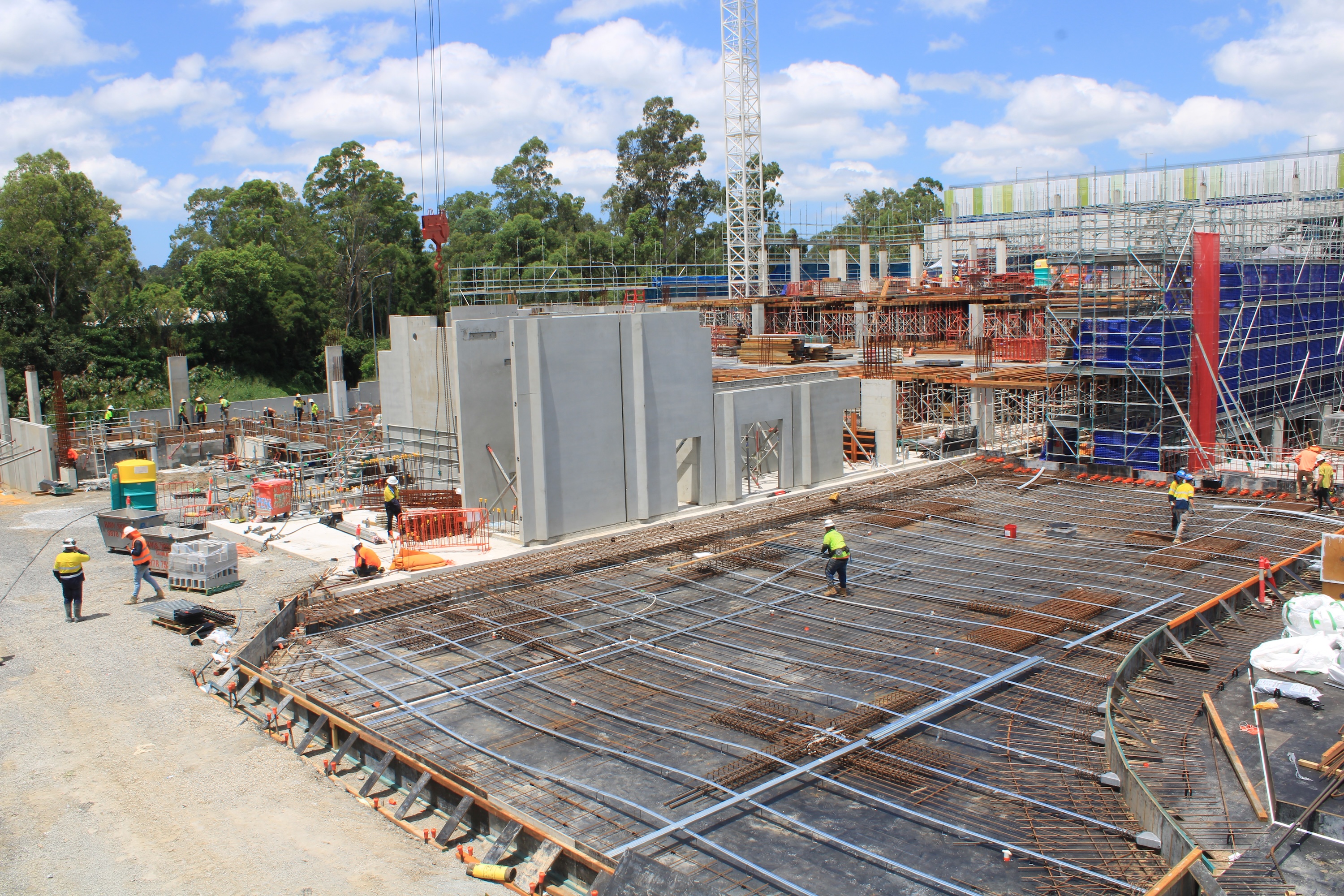
Construction site monitoring is the planned observation and recording of conditions, activities and progress on a project. It can use site inspections, photographs, cameras and other tools, depending on what a team needs to understand. The aim is to give people timely, useful evidence for decisions, while keeping professional judgement and on-site supervision central.
The difference between site monitoring and progress reporting
Monitoring is the ongoing process of gathering observations and evidence; progress reporting is one way of interpreting and sharing that information. A site diary might record a change in conditions, while a progress report explains what the change means for a milestone or decision. Keeping the two distinct helps teams avoid treating a record of activity as an assessment of project performance. For a broader overview, see this construction monitoring guide.
The people, activities and assets to monitor
The scope depends on the project, but commonly includes work areas, access points, installed work, materials and equipment, along with conditions that may affect safe or efficient delivery. It is useful to identify who needs visibility of each area: a site supervisor may need regular inspection records, while a remote stakeholder may need visual updates at agreed intervals. Monitoring should focus on relevant project needs rather than attempting to capture everything indiscriminately.
How monitoring supports project decisions
A useful record links an observation to a decision: for instance, whether a work area is ready for the next activity, whether a delay needs escalation, or whether a site condition requires closer inspection. Reliable evidence gives teams a shared point of reference, but it does not make the decision for them. The value comes from connecting observations with plans, responsibilities and practical judgement.
When monitoring is most valuable
Monitoring is especially useful when a site changes quickly, when work is spread across several areas, or when key stakeholders cannot be present for every review. It can also help establish a clear record around milestones, handovers or changing site conditions. The right level of monitoring varies: more data is not automatically better if nobody has time to review it or act on it.
The benefits of monitoring a construction site
A considered monitoring programme gives project teams a clearer view of what is happening and what may need attention. Its value depends on the quality of the observations and the way they are used, rather than on technology alone. Good records can support safer work, more informed progress discussions and clearer communication with stakeholders.
Spotting safety risks before incidents occur
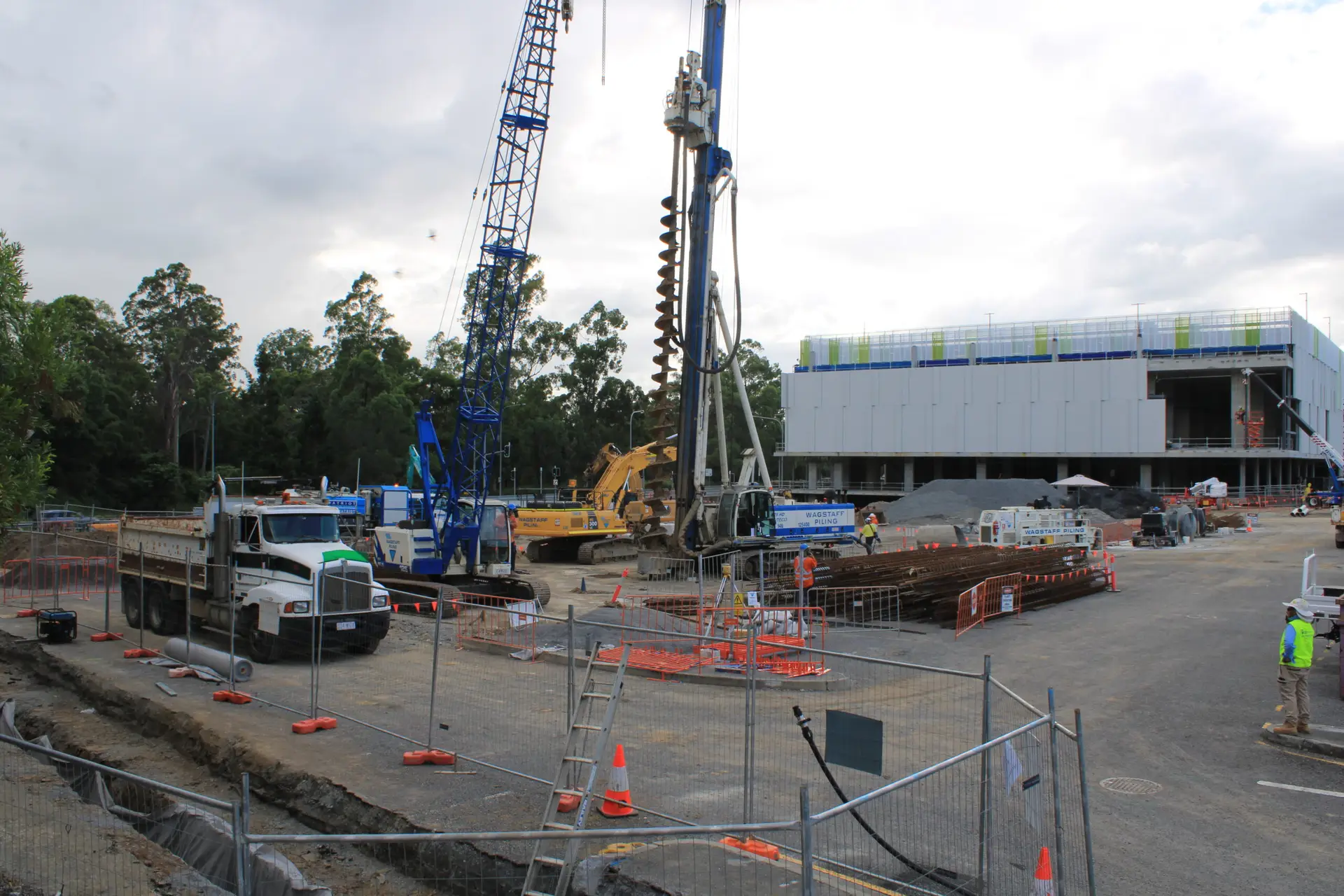
Regular observations can help teams notice changing conditions, unsafe access or work areas that need attention before work continues. Monitoring is not a replacement for safety planning, inspections or direct supervision; it helps make relevant information visible and easier to follow up. Timely follow-up matters: a finding is useful only when the right person can assess it and take appropriate action.
Tracking progress against programme and budget
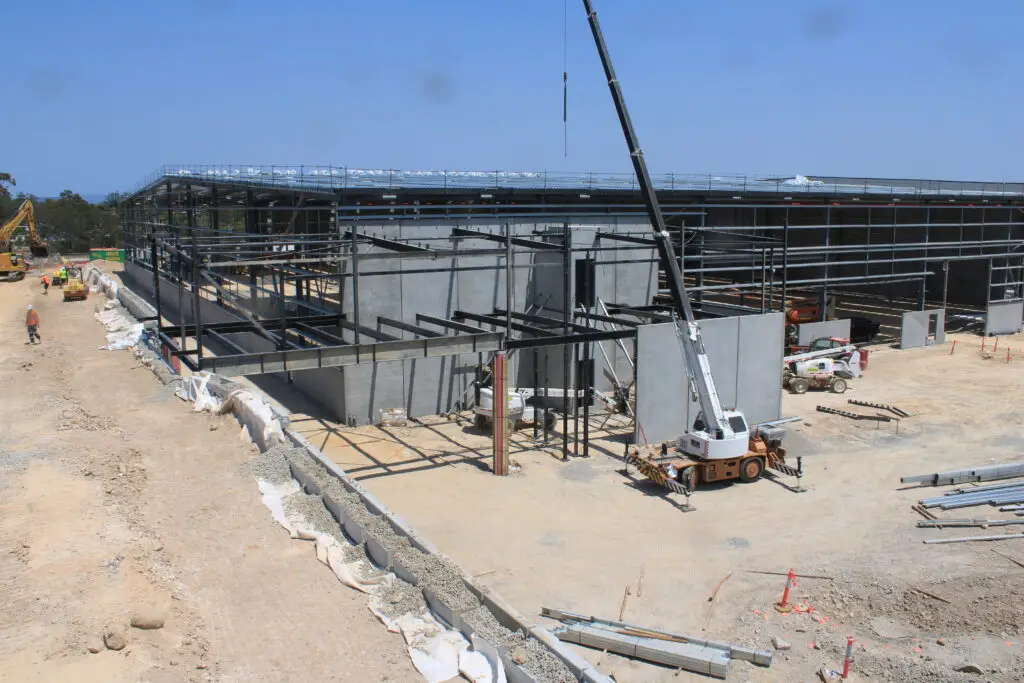
Visual records and site observations can help teams compare actual work with planned milestones and identify where further investigation is needed. No single record explains the cause or cost of a delay, so it should be considered alongside programme updates and project records. Construction Time Lapse Specialists provides high-quality construction time-lapse cameras and photography for projects across Brisbane and Queensland, with 4K clarity, remote monitoring and expert support.
A simple comparison can help teams decide what evidence is relevant to a particular review:
| Monitoring evidence | Useful for | Consider alongside |
|---|---|---|
| Site inspection notes | Recording observed conditions | Inspection scope and date |
| Dated photographs | Comparing visible changes | Location and capture context |
| Programme updates | Reviewing planned and actual milestones | Site evidence and explanations |
| Cost records | Assessing financial implications | Approved changes and commitments |
The table is a prompt for assembling evidence, not a substitute for analysis. A discrepancy between records should lead to a check of timing, scope and context before a project decision is made.
Protecting equipment, materials and site access
Clear records of site conditions and access arrangements can help teams review concerns about equipment, materials or restricted areas. Camera coverage may support a visual record, but it should be planned for the site and used alongside appropriate access and security procedures. Decisions about coverage, storage and installation deserve careful thought; even a comparison of home security options highlights how these practical considerations shape a camera setup.
Improving communication between project teams
A shared visual record can make discussions more specific, particularly when a project has multiple contractors or stakeholders who visit at different times. Teams can refer to the same dated evidence, clarify what has changed and agree on who will follow up. Clear systems for decision rights and shared knowledge matter in other settings too, as described in this guide to leadership systems.
Methods and technologies for site monitoring
There is no single method that suits every site or every question. Manual records provide context, while cameras and other technologies can extend visibility or make changes easier to review over time. Select tools according to the information needed, the site’s practical constraints and the team’s capacity to maintain and interpret the resulting records.
Manual inspections, checklists and site diaries
A site inspection gives a person the opportunity to observe conditions directly and ask questions in context. Checklists can make recurring checks more consistent, while diaries preserve dated notes about work, conditions and decisions. Procedures should be tested in the real working environment; the emphasis on practical application in Wing Chun techniques offers a useful, if different, example of why a method needs to work beyond the page.
CCTV, time-lapse cameras and remote viewing
CCTV can provide views of selected site areas, while time-lapse cameras create a visual record over a project period. Remote viewing can help authorised stakeholders review images without being physically present, but it does not replace site inspections. Construction Time Lapse Specialists provides 4K cameras, remote monitoring and photography, with secure remote portal access for viewing site progress.
Drones and aerial surveys
Aerial imagery can show the overall arrangement of a site and provide a different perspective from ground-level photographs. It is most useful when capture timing, flight planning and the purpose of each survey are agreed in advance. Images should be interpreted in context and findings checked on site where necessary; an aerial view cannot show every detail or explain why a change occurred.
Sensors, wearables and IoT devices
Sensors and connected devices can collect information about specified site conditions, while wearables may support selected applications depending on the equipment and project arrangements. The data they produce needs to be relevant to a defined question and reviewed by someone able to interpret it. Teams considering IoT monitoring technologies should make sure the information gathered fits their site needs rather than adding devices without a clear purpose.
AI tools for analysing images and site data
AI tools may assist with analysing images or other site data, but their usefulness depends on the quality and suitability of the information supplied. They should be treated as support for human review, not as an automatic substitute for context or professional judgement. Teams can explore the topic through this overview of AI construction monitoring, while assessing any proposed tool against their own requirements and processes.
How to plan a monitoring programme
Planning begins with the decisions the team needs to make and the evidence that could support them. A useful programme is proportionate: it defines what to monitor, chooses practical methods and assigns people to review findings. It should also fit the site’s operating conditions and be revisited if project needs change.
Set clear objectives and success measures
State the purpose of monitoring in terms the project team can test: for example, recording progress at agreed milestones or improving visibility of a particular work area. Define what a useful result looks like and how it will inform a decision. Objectives should be manageable and consistently tracked; this is also a principle behind setting ABA goals, where simple routines can help make progress easier to review.
Choose monitoring methods to suit the site
A method that works well on one project may be unsuitable on another because of site layout, duration, access, power or connectivity. Consider whether a person needs to inspect directly, whether a visual record is sufficient, or whether another type of information is required. Construction Time Lapse Specialists also provides drone imaging and high-resolution photography, which can offer additional visual perspectives when they suit the project’s monitoring needs.
Establish baselines, locations and reporting frequency
Agree what the starting point is, which locations or activities matter, and how often evidence should be collected and reviewed. Consistency makes comparisons more meaningful: photographs taken from different positions or at irregular intervals may be harder to interpret. Keep the capture plan straightforward enough to follow, then adjust it if the site or the decisions being supported change.
Assign responsibilities and escalation pathways
Each part of the process needs an owner: someone to collect or check evidence, someone to review it, and a clear route for raising issues. A compact responsibility sequence makes handovers less ambiguous:
- Name the person responsible for collecting each type of evidence.
- Set who reviews records and how frequently they do so.
- Agree which findings need escalation and to whom.
- Record actions, ownership and follow-up dates.
This structure helps a finding move from observation to action instead of sitting unnoticed in a report. Deadline planning and reliable workflows are also central to med-legal reporting, a distinct field with a similar need for clear ownership.
Turning monitoring data into action
Monitoring creates value when observations are interpreted and acted on, not simply stored. Teams need enough context to understand what a record shows, who should review it and what should happen next. A consistent process also makes it easier to explain decisions to contractors and other stakeholders.
Combine observations, imagery and project records
A photograph may show a visible change, while an inspection note or programme record explains the work and timing around it. Combining these sources can help establish a more complete picture, provided that dates, locations and scope are clear. Retain the original context where possible, and avoid drawing conclusions from an isolated image or observation.
Identify trends, delays and emerging hazards
Looking across records over time can reveal repeated issues or changes that a single review would miss. Teams should distinguish what the evidence directly shows from what still needs checking, especially when identifying the cause of a delay or a potential hazard. That distinction keeps follow-up grounded and prevents an early observation from being treated as a confirmed conclusion.
Set thresholds for alerts and follow-up
An alert is useful when it points to a defined condition and a known response. Agree what requires immediate attention, what can be reviewed at the next meeting and who makes that call. Thresholds should be revisited as the work changes, so the process remains proportionate rather than generating notifications that people learn to ignore.
Share findings with contractors and stakeholders
Reports are easier to use when they identify the location, date, observation and required follow-up in plain language. Share only the information relevant to each audience and make actions visible, with an owner and a due date where appropriate. A shared record supports coordination, but discussion is still needed when evidence is uncertain or responsibilities overlap.
Managing privacy, reliability and implementation risks
Monitoring introduces practical responsibilities alongside its benefits. Teams should consider privacy, access, data quality and the reliability of the equipment before a programme begins. Clear arrangements make the system easier to use responsibly and help prevent gaps from being mistaken for evidence that nothing has changed.
Protect worker privacy and handle personal information responsibly
Explain what is being captured, why it is needed, who can access it and how long records will be kept. Limit collection and access to what is appropriate for the project purpose, and follow applicable privacy obligations and site procedures. A monitoring programme should support project oversight without treating unnecessary personal information as a useful by-product.
Check camera coverage, connectivity and power requirements
Before installation, check that the proposed view covers the area needed and that power and connectivity are suitable for the location. Consider how equipment will be mounted, protected and accessed for maintenance. A camera that cannot reliably capture or transmit images will not provide the expected record, so verify practical arrangements before relying on remote viewing.
Validate data quality and address blind spots
Review sample records to confirm that images are clear, dates and locations are understood, and the information answers the intended question. Identify areas that are not visible or conditions that may affect capture, then decide whether another method or an on-site check is needed. Keep the limitations with the evidence so later users do not assume that a partial record is complete.
Train teams and plan for technology failure
People need to know how to use the tools, report faults and continue essential checks if a system is unavailable. Set out a simple fallback process, including who to contact and how observations will be recorded in the meantime. Testing the process before a failure occurs makes it more likely the team can maintain essential oversight without relying on one device or person.
Conclusion
Construction site monitoring is most effective when it joins suitable methods with clear objectives, reliable records and agreed follow-up. For projects needing visual progress records, Construction Time Lapse Specialists provides construction time-lapse cameras, photography and drone imaging; discuss a project to explore a solution suited to your site.