
Key Takeaways
Choose a provider whose experience, operating approach and deliverables suit the project—not simply the cheapest quote. A clear brief makes it easier to assess fit and compare proposals.
- Define whether you need still photography, video, mapping or a mix.
- Review examples that resemble your location, subject and intended use.
- Ask how the provider manages aviation requirements, privacy and site safety.
- Confirm image quality, editing, file formats, usage rights and deadlines.
- Compare quotes by scope, inclusions and communication as well as price.
Understand what aerial photography specialists can do
The phrase aerial photography can cover several kinds of work, from compelling still images to video and technical mapping. Before approaching providers, decide what you need the imagery to show and how it will be used. That makes it easier to compare proposals on a like-for-like basis rather than assuming every operator offers the same service.
Compare photography, videography and mapping services
Still images, moving footage and mapping outputs answer different questions, even when captured during the same visit. Construction Time Lapse Specialists’ Aerial Photography service provides professional aerial drone photography, high-resolution images and edited 4K video for construction documentation. For other providers, ask precisely what they deliver and whether the work is intended for presentation, progress records or a technical purpose.
A short comparison can help turn a broad request into a practical brief:
| Service | Often useful for | Clarify before booking |
|---|---|---|
| Aerial still photography | Project overviews and presentation images | Image count, resolution and viewpoint |
| Aerial video | Showing a site’s scale or context in motion | Edited length, format and music or graphics |
| Mapping or survey work | Spatial or measurement-related project needs | Required output, accuracy and intended use |
| Progress imagery | Recording change across a project | Repeat schedule and consistency of viewpoint |
These labels are not interchangeable, and the table is a starting point rather than a promise of what a particular provider offers. If you require mapping or survey information, make that explicit and ask the provider to confirm its suitability for your intended use.
Match aerial imagery to your project goals
Start with the decision the images should support. A developer may need a clear record for stakeholder updates, while a builder may want to show site-wide progress or create material for project communications. Construction Time Lapse Specialists also provides Ground Photography, which captures close-up construction details that a broad aerial view may not show. The two perspectives can serve different documentation needs; choose based on the story and information the project calls for.
It can help to set out a few points before requesting a quote:
- Who will view or use the finished imagery?
- Which areas, structures or milestones need to appear?
- Is the priority a one-off overview or a repeat visual record?
- Will the imagery be used for reporting, communication or promotion?
A brief built around these answers is more useful than asking for “some drone photos”. If you are comparing providers, the questions for providers guide can help you frame the discussion around the work you actually need.
Consider common uses across property, construction and events
Property imagery often needs to show a site in relation to its surroundings, while construction documentation may focus on changing work areas and progress. Event photography has different priorities, including timing, crowd activity and the overall setting. An example from one sector may not demonstrate the experience needed in another, so ask to see relevant work rather than relying on a broad claim of versatility.
For construction projects, aerial views can complement other forms of visual documentation. Consider whether a combination of perspectives would help stakeholders understand both the whole site and its finer details. The construction photography overview explains how aerial, ground-level and time-lapse approaches can contribute different views to a project record.
Assess experience and creative fit
A strong portfolio should show more than attractive images: it should help you judge whether a provider understands your subject and can make considered choices on site. Look for work that resembles your project in scale, setting and purpose. Ask how the examples were produced and what role the provider played, rather than treating a polished gallery as proof of every capability.
Review portfolios for relevant locations and subjects
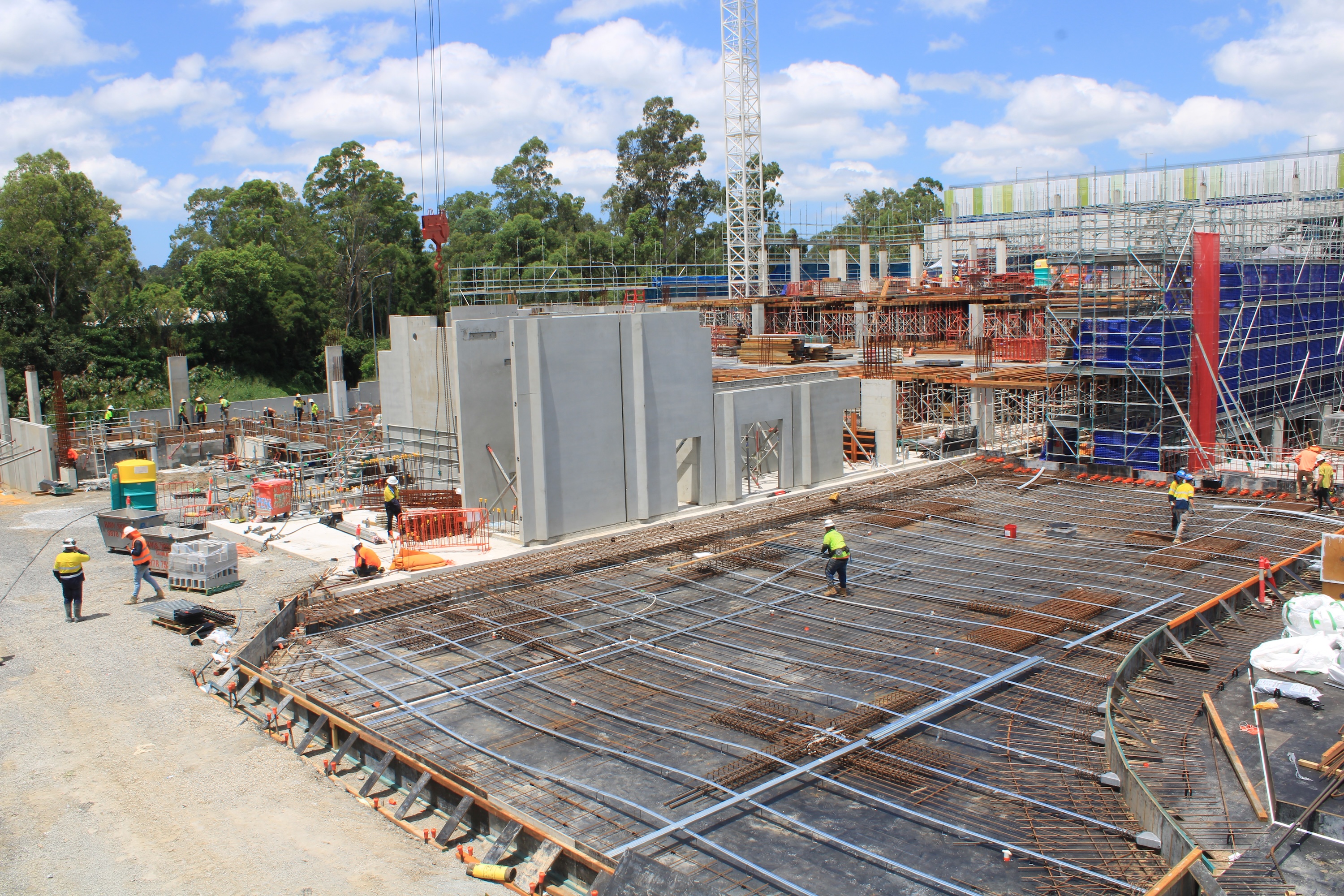
Compare examples with the conditions your project presents: nearby buildings, open ground, restricted access or a busy operating site. The aim is not to find an identical project, but to see whether the photographer can make a subject legible from above and select useful viewpoints. Ask whether the images were captured under conditions comparable to yours and whether the provider can describe the approach behind them.
When checking portfolios, look for more than a single striking frame. A range of views can show whether the provider can present context as well as detail. If your project is a construction site, check whether the examples make the layout and progress understandable to someone who does not visit the site every day.
Check experience with your type of project
Experience is most valuable when it relates to the work you are commissioning. Ask about comparable projects, the practical constraints involved and how the provider coordinated with the people responsible for the site. A guide to choosing a project partner offers further prompts for assessing a provider’s suitability for construction documentation.
Keep other kinds of supplier assessment separate from aerial photography, even if the same general questions about fit can apply. For instance, a guide to outsourcing software development concerns a different service; it is not evidence of photography expertise. Likewise, the hair removal guide addresses personal-care choices, not imaging. The useful principle is simply to judge examples against the actual service and brief in front of you.
Discuss visual style, composition and storytelling
Ask what the finished images need to communicate. A wide view may establish the project’s setting, while a closer frame can draw attention to a particular area; a useful set usually has a clear reason for each view. Discuss whether you prefer a straightforward documentary look or a more polished presentation, and make sure the intended audience is understood.
A clear visual brief can prevent mismatched expectations about framing, timing and the overall feel of the imagery. Bring reference images if you have them, but explain what you like about each one. That gives the provider room to propose an approach suited to the site rather than simply imitate an example.
Check aviation safety and permissions in Australia
Safety and permissions deserve a direct conversation before a shoot is scheduled. Conditions can vary with the location, the surrounding airspace, nearby people and the activity taking place on site. Ask the provider to explain how these matters will be assessed for your specific job and who is responsible for each part of the process.
Ask about pilot qualifications and operating procedures
Ask who will operate the aircraft, what relevant qualifications or authorisations apply to the proposed work, and how the team prepares for the flight. A dependable answer should address the actual site and planned activity, rather than relying on a general assurance. You can also ask how the operator will brief your site contact and respond if conditions change.
It is reasonable to request a clear explanation of the operating plan before confirming a date. For construction work, that conversation should account for how the proposed activity fits with the site’s own safety arrangements and access controls. Ask the provider to identify what information they need from your team in advance.
Confirm how airspace restrictions and approvals are handled
Ask the provider to check the proposed location and explain whether any restrictions or approvals affect the flight. Do not assume that an operator can fly at every site or that permission from the property owner settles every aviation question. Confirm who will make the necessary checks, what information you must supply and how a change to the plan will be handled.
The result should be a shared understanding before the crew arrives, not a last-minute surprise. If the location or schedule is uncertain, ask whether the provider needs alternate dates or a revised plan. That practical discussion is more useful than an unqualified promise that the shoot can proceed.
Discuss privacy, site access and on-site safety
Agree how the crew will enter the site, where they may work and who will be their point of contact. Consider whether people, neighbouring properties or sensitive areas could appear in the imagery, and ask how the provider will address those concerns. Your organisation may also have rules about permissions, inductions and what can be recorded.
For a construction shoot, confirm the operational details before the visit:
- The site contact and arrival arrangements.
- Any induction, personal protective equipment or access requirements.
- Areas that should be avoided or kept out of frame.
- How the crew will coordinate with work in progress.
Discussing these points early helps both the site team and the operator work from the same plan. Where the project has specific privacy or access requirements, put them in writing and ask the provider to acknowledge them.
Compare equipment and technical capabilities
Equipment matters when it affects whether a provider can produce imagery suited to your brief. Ask about the platform, camera and stabilisation in relation to the views you need, rather than selecting a provider on specifications alone. The operating environment matters too: distance, light, wind and other weather conditions can shape what is practical on a given day.
Choose between drones, crewed aircraft and other platforms
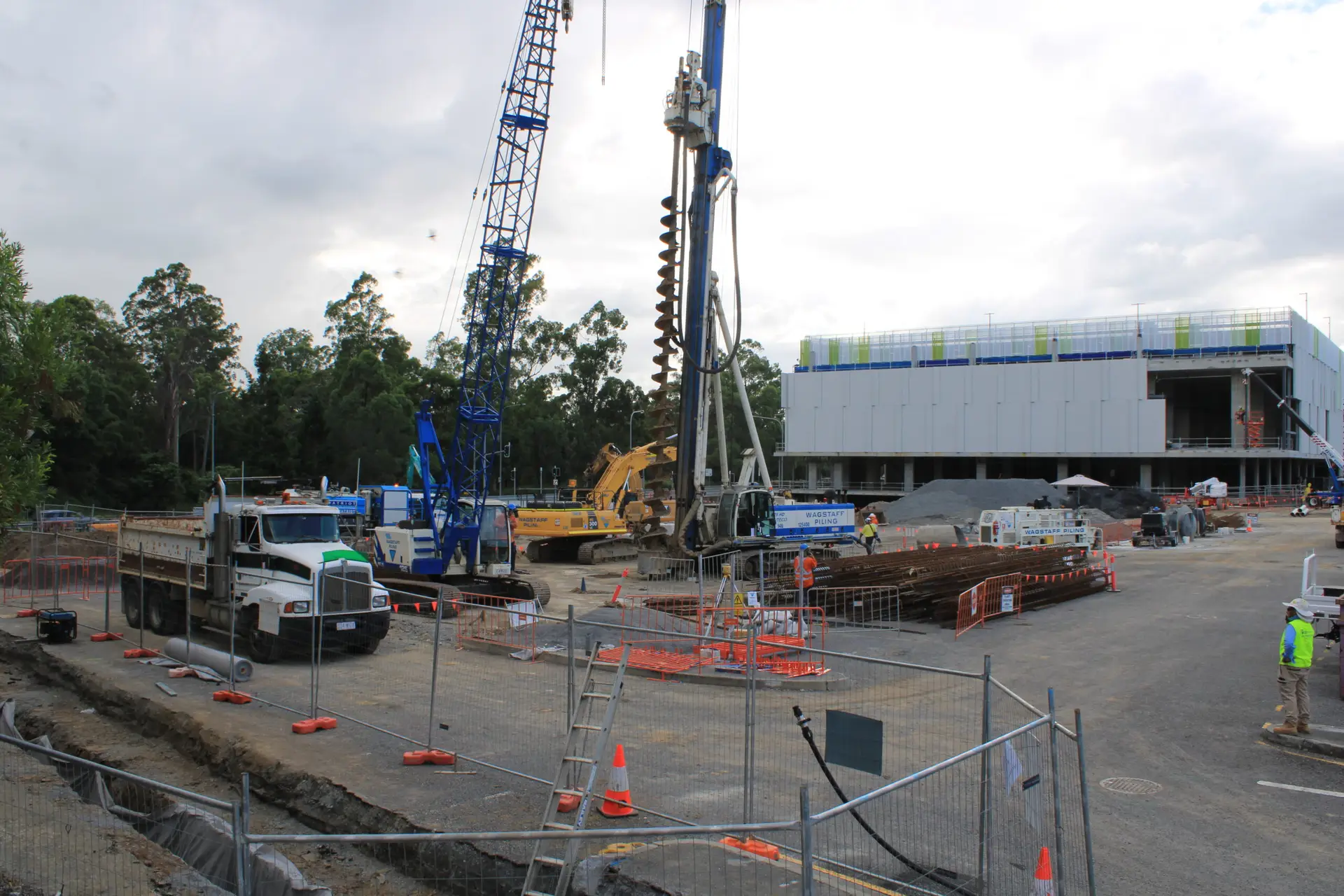
Different platforms suit different locations, coverage needs and operating constraints. For a construction site, a drone may be appropriate for certain close and flexible views, while another platform may be considered where the project requires a different scale or reach. Ask the provider to explain why the proposed option suits your brief and what its limitations are.
Do not assume that a particular platform automatically includes mapping, inspection or survey work. Those outputs depend on the scope agreed with the provider. If the assignment calls for a specific technical result, describe it clearly and ask the provider to confirm in writing whether they can supply it.
Check camera quality, lenses and stabilisation
Ask what image quality the provider can deliver and whether the equipment suits the final use, such as a report, website or presentation screen. Lens choice and stabilisation may affect framing and clarity, but the relevant question is whether the provider can produce the views and files you need. Request sample output at a comparable scale if the distinction matters to your project.
For construction documentation, Time Lapse Cameras from Construction Time Lapse Specialists provide 4K cameras and remote monitoring for project progress. That is a separate, ongoing visual-record option rather than a claim about the camera equipment used for every aerial shoot. Clarifying which service produces which deliverable helps keep expectations precise.
Confirm suitability for low light, distance and weather conditions
Talk through the site conditions and timing before agreeing to a shoot. Ask how light, distance and weather may affect the result, and what conditions would lead to a delay or adjustment. A provider should be able to explain the practical trade-offs for your location without guaranteeing that every desired shot will be possible.
Consider whether an alternate date or time would protect the quality of the work. If a site is active, discuss how the schedule can fit around its operations and any access restrictions. A realistic plan allows the provider to recommend suitable conditions and makes any contingency easier to manage.
Agree on the project workflow and deliverables
A well-defined workflow reduces uncertainty from the initial brief through to delivery. Agree who is making decisions, what information the provider needs, and how the shoot will fit around the site’s programme. Spell out the intended use of the imagery and the files you expect to receive so that both parties share the same definition of a completed job.
Plan the shoot around location, timing and conditions
Share a site plan or a clear description of the areas to be photographed, along with any important milestones or deadlines. Discuss the preferred time of day, access arrangements and how the schedule may change if conditions are unsuitable. If the imagery is intended to show progress, agree which viewpoints or features should be revisited so the record remains useful over time.
A project can also combine aerial imagery with other forms of documentation. For example, a ground-level photography option may suit details that cannot be clearly shown from above. Choose the mix deliberately, based on what each view adds, rather than assuming one format will cover every purpose.
Confirm editing, file formats and delivery deadlines
Before work begins, agree whether the fee includes editing, how many finished images or videos are expected, and what file formats will be supplied. Set a delivery date that works for reporting and project communications, and clarify whether draft review is part of the process. If a particular size, orientation or export format is required, put it in the brief.
Ask how the provider will handle requested changes and whether there are limits to revisions. The word “edited” can describe different amounts of work, so a precise description is more useful than a vague promise. Confirming the scope in advance gives you a fair basis for reviewing the finished files.
Clarify image usage rights and archiving
Ask who may use the final imagery, for what purposes and for how long, and whether any restrictions apply to publication or onward sharing. Confirm how long the provider retains files and whether you will receive the original captures as well as finished versions. For longer projects, agree where the visual record will be kept and who in your organisation needs access.
If you are working with historical comparisons, clarify whether the project needs new photography, existing imagery or both. The National Archives holds a large collection of archival aerial photographs, an example of how aerial images can also serve as a record over time. It is a separate resource, but the broader point stands: useful archiving depends on knowing what exists, where it is held and what rights apply.
Evaluate pricing and choose a provider
Quotes are only comparable when they describe similar work. Check the scope, schedule, deliverables and any assumptions behind each price, then weigh these against the project’s needs. A low headline figure may exclude editing or travel, while a higher quote may include services you do not need.
Compare quotes by scope rather than headline price
Ask each provider to itemise what is included: preparation, site attendance, capture, editing and delivery. Compare the number and type of outputs, the time allowed on site and any repeat visits. If you need a recurring record, make sure the quote describes the schedule and intended consistency rather than treating each visit as an unrelated task.
A documented scope also makes it easier to explain the decision internally. Separate essentials from optional additions, then request a revised quote if proposals differ too much to compare fairly. You can talk through your project with Construction Time Lapse Specialists if construction photography or ongoing visual documentation is part of your brief.
Check what travel, editing and revisions include
Confirm whether travel, site visits, editing, file transfer and revisions are included or billed separately. Ask whether weather-related changes, additional locations or extra deliverables would alter the price. Those details are particularly useful when several people need to approve the budget or when the site programme may shift.
Some evaluation principles are shared with other kinds of professional work, but the services remain distinct. For example, CIRS and CAE guidance is about classifying business activities, not aerial photography pricing. Likewise, clinic document management concerns health information workflows. For your provider comparison, keep the decision anchored to the actual scope, fees and deliverables in each photography quote.
Weigh communication, reliability and value for money
Notice how clearly the provider answers questions and whether they follow through on agreed next steps. Good communication matters when access, timing or site conditions change, and a practical plan is more reassuring than broad promises. Consider whether the provider understands the project’s reporting needs and can explain how the proposed service fits them.
The cheapest option may be suitable for a simple one-off image set, but a more involved assignment may call for additional planning and support. Choose the proposal that offers a clear match between scope, delivery and budget. For a wider example of project planning principles, IT project planning covers defining scope and managing risks in a different field; the useful comparison is the value of agreeing expectations early.
Conclusion
Choosing aerial photography specialists is ultimately about matching the provider’s experience and working approach to the purpose of your project. Define the imagery you need, ask specific questions about safety and deliverables, and compare quotes on a shared scope; if construction photography or visual monitoring is relevant, contact Construction Time Lapse Specialists to discuss a suitable approach.