Safety on construction sites is not just a priority—it’s a legal requirement. Construction projects are inherently dangerous, with a variety of risks, including working at height, machinery use, and hazardous materials. One of the most effective ways to ensure your site is safe is through proper site documentation, and construction photography is one of the best tools for improving and tracking safety protocols.
Whether it’s documenting site conditions, ensuring workers comply with PPE regulations, or recording safety incidents for training, photography serves as a powerful tool in risk management and safety enforcement. Let’s explore how time-lapse, drone, and ground photography can help improve safety protocols and protect your team.
1. Time-Lapse Photography: Documenting Safety Compliance Over Time
Time-lapse photography isn’t just about capturing the progress of your project—it’s also a valuable tool for tracking safety compliance. As your project progresses, time-lapse cameras capture a continuous visual record of activities happening on-site. This helps in several ways:
- Monitoring daily safety practices: Regular documentation shows if safety protocols are being followed consistently.
- Tracking PPE compliance: Time-lapse footage can be reviewed to check if workers are wearing the proper Personal Protective Equipment (PPE), such as helmets, vests, and safety boots.
- Incident investigation: In case of an accident or near miss, time-lapse footage can be used to review what went wrong, allowing for improved safety measures in the future.
Time-lapse photography provides an uninterrupted visual timeline of safety on-site, helping identify and resolve compliance issues early on.
2. Drone Photography: Enhancing Aerial Safety Surveillance
Drones have revolutionised the way construction sites are monitored. With the ability to capture aerial images and video footage, drones allow for a comprehensive overview of site conditions, including areas that are difficult to access. Drone photography enhances safety by:
- Inspecting hazardous areas: Drones can safely survey high-risk areas like roofs, scaffolding, and unstable ground without putting workers at risk.
- Detecting unsafe conditions: Aerial footage can identify safety hazards such as unprotected edges, poor site conditions, or unsafe material storage, which might be missed during regular inspections.
- Monitoring construction equipment: Drones can track the use of heavy machinery to ensure operators are following safety protocols, such as proper positioning and clearance.
The bird’s-eye view provided by drones gives site managers a more complete understanding of the overall safety landscape.
3. Ground-Level Photography: Capturing Detailed Safety Concerns
While time-lapse and drone photography capture wide-scale views of site safety, ground-level photography provides the details. This includes:
- Close-up documentation of unsafe conditions like exposed wires, improperly secured scaffolding, or obstructed walkways.
- Action shots of workers following or violating safety protocols, such as improperly using equipment or not wearing the necessary safety gear.
- Before-and-after images of areas that have been repaired or made safer following safety audits.
These detailed images can help in addressing safety violations immediately and can also be used for training purposes to help workers understand safety expectations more clearly.
4. Improving Worker Safety Through Training
Construction photography serves as a powerful tool for safety training. By using images and video footage from your site, you can create safety manuals, training videos, and interactive sessions that showcase best practices and common safety mistakes. This visual approach:
- Helps workers better understand safety protocols by showing them what to do—and what not to do—in real-life situations.
- Provides a visual history of past incidents and their resolutions, emphasising lessons learned.
- Reinforces safety awareness, reminding workers of the importance of protective measures, hazard recognition, and safe work practices.
When workers see real examples of hazards and safety measures in action, they are more likely to follow protocols themselves.
5. Documenting Safety Audits and Inspections
Safety audits are essential to maintaining high standards on construction sites. Construction photography can enhance safety audits by:
- Providing visual records of compliance with safety regulations at any point in time.
- Documenting site changes or improvements made following previous audits.
- Offering evidence for third-party inspections to verify safety practices.
Photographs taken during safety inspections can be attached to reports, ensuring that both auditors and stakeholders can clearly see what has been reviewed and addressed.
6. Reducing Accidents and Improving Safety Culture
When safety concerns are consistently documented and addressed through photographic evidence, it builds a stronger safety culture on-site. Workers are more likely to adhere to safety practices when they know that their actions are being recorded, and management has a clear visual record of site conditions.
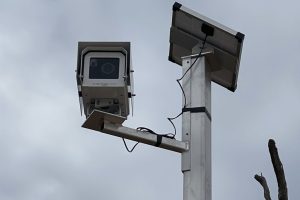
The presence of construction cameras and regular site audits—paired with photographic documentation—creates a culture of accountability. This results in fewer accidents, reduced insurance claims, and improved worker morale as employees feel safer and more valued.
7. How Construction Time Lapse Specialists Can Help
At Construction Time Lapse Specialists, we offer a wide range of photographic services designed to improve safety protocols and enhance site management. Our time-lapse, drone, and ground-level photography services help:
- Monitor compliance with safety protocols
- Document site conditions and hazards
- Assist with safety training and audits
Our professional photographic services give you the visual tools you need to stay on top of safety, mitigate risks, and create a safer work environment for your team.
Final Thoughts
Construction photography isn’t just for showcasing progress—it’s an essential tool for improving safety on-site. By documenting safety conditions, identifying risks, and ensuring compliance, construction photography enhances your overall safety management strategy. By using these tools to their full potential, you create a safer, more efficient construction site that benefits both workers and project outcomes.
Ready to enhance safety on your site with high-quality photography?
Contact Construction Time Lapse Specialists today to learn how our photography services can help you improve safety protocols and protect your team.